Critical Questions That Run Your Life – Question 3 

Now the third question is what commitment will you make now to your ideal future? So you may have decided to look at the different areas of your life, noticed paid attention to your family, financial, health, personal growth, professional, and rank them. So, one of the things which is the most important area to you and so on, this is a helpful exercise because one of the things that will happen is if you’re a young parent, you’ll have a choice to make.

Are you going to attend a play with your daughter or are you going to stay in the office and do the project your boss asks you to do at the last minute? What is your guiding principle or what will be the priority that will influence you at that moment? 

If you’re a planner like I am and you have any experience in the corporate world or your own company, you know that business planning is everything. I also believe in life planning, but all of this and all of this, there is a misconception that you have to have it all figured out before you can take the first step. The reality is we’ll never figure it all out.

We normally know the first next couple of steps, but after that you have to play it by year. What you can be clear about is having a priority that matters to you. So, to make positive changes and to break a rhythm and routine that isn’t serving us, we have to change.

So, while you are reflecting, I like you all to think about what is this and how you answer the three questions. Now I’m going to say little, a few words on mindfulness and evaluation because once you have your core priority and you, when you develop your focus ritual results, it’s important to understand that there are two. 

As we’re building our ability to focus, we want to focus work on our ability to focus on just one thing at a time for longer and longer periods of time. That’s the quantity the quality expect is what you’re focusing on. For example, the outcome you want rather than the work in front of you. As far as quantity goes right now, how long can you work on one thing at a time before you go check your email or your voicemail?

And how many different things do you focus on during the day? We all want to be able to work up the ability to focus on the full 45 minutes on just one thing. Most people don’t focus on one thing long enough to get big results. We want to multiply that ability in life. We have a few leverage points that can give us tremendous results. 

There are things we usually have to be proactive to go and get done. Things like educating ourselves, working out. You have to be the one to decide to do these things. If you have a business that are just a few places where most of the leverage exist, same goals for your relationship and your health, I found that you break something down to 15minute chunks and becomes something you can do.

Most times when people start something and they cannot carry on, they procrastinate. It’s either because they don’t know how to do it or they have unmet emotional needs and interfere with their ability. They do what it takes.

They, the converse of the above is that if you cannot break down a project into doable 15minute chunk, you cannot even start the pro project. I published 12 books, develop new business project using this rule, but I cannot provide a chapter heading of the main 10 or 12 chapters of the book in 15 minutes. I know I’m not ready to write the book.

We’ll deal with unmet emotional needs later on in other parts of this program and other programs. For those of you who have signed up for other programs, you will know what they are. When you don’t know how to do something, you simply need to learn how to do it. For example, if you have a schedule and you’re supposed to balance a checkbook, you keep procrastinating and finally you can’t put it off any longer.

Then you find yourself staring at a checkbook and not knowing what to do because your business manager normally did it and now, she’s on vacation. So you had never learned how to do it. Simply have someone walk you through the steps once or twice. Difficult goals do not raise motivation and learning in the absence of skills needed to attend that, you may need to learn how to set goals that are proximal specific and moderately difficult.

In traditional education grading with a normal distribution curve, only a few students will do well, some will always fail and the rest will fall in between. So that is not a good way to run our lives. Goal setting research and education has established the importance of specific proximal and moderately challenging goals and beneficial for motivation and learning.  

In other words, small step, small baby steps, new ones to new, do everything in your life when you’re learning how to do it in small baby steps. When you get the baby steps right, you will get a habit.

Once you get the habit, you are done. The idea here is you’ll make acquiring the habit easy, not difficult.

If you make acquiring the habit hard, you will not acquire the habit. Complex behavior. Complex skillset is actually the combination of multiple habits coming together. And the best way of making sure you layer the habits is making sure you take baby steps for each of those habits until the habits become habits created and automatic.

Let us help you design your health and the life of your dreams.

Book a private consultation today and take control of your own health. Call us 6323 6652 or email us at admin@naturaltherapies.com for an appointment. If you need help you can click here to review your lifestyle choices and find out what you can do to improve it. Health and Wellness Assessment. We are pleased to offer consultations via Zoom for online coaching clients.

We are here for you at Sundardas Naturopathic Clinic.

Yours in Health,

Prof. Sundardas D Annamalay 

Is Heavy Metal Toxicity Making You Sick?

      No Comments on Is Heavy Metal Toxicity Making You Sick?

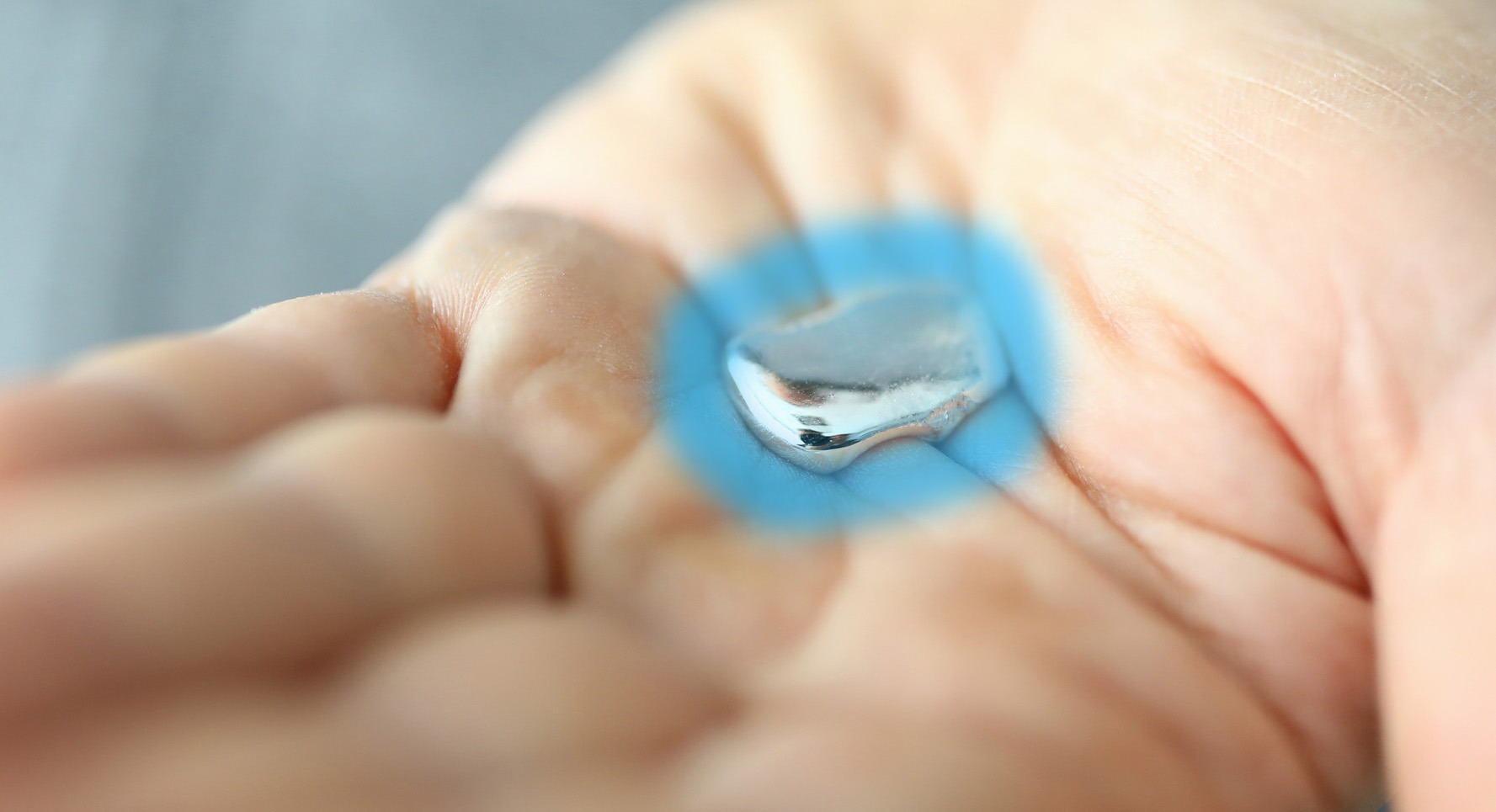
Heavy metal toxicity is a serious health concern that often goes unnoticed until symptoms become severe. Heavy metals such as lead, mercury, arsenic, and cadmium can accumulate in the body over time, leading to a host of health problems ranging from fatigue and cognitive issues to organ damage and even cancer. As a naturopathic physician, I have seen firsthand the detrimental effects of heavy metal toxicity on my patients and understand the importance of detoxifying the body to promote overall health and well-being. 

Cynthia came in complaining of fatigue, feeling unwell and with concerns about pre-dementia. Her standard blood test results were all normal. When we did our inhouse assessments, she found her heavy metal status significantly elevated. It turned out that the supposedly safe hair dye she was using had elevated heavy metal levels. 

One of the most common sources of heavy metal exposure is through contaminated water and food. Lead can seep into drinking water from old pipes, while mercury can be found in certain types of fish. Arsenic is often present in rice and cadmium in cigarette smoke. Occupational exposure to heavy metals is also a significant risk factor for toxicity, with workers in industries such as mining, construction, and manufacturing at a higher risk. 

The first step in detoxifying the body from heavy metals is to identify the sources of exposure and take steps to minimize further intake. This may involve switching to a water filter, avoiding certain types of fish, or wearing protective gear at work. Additionally, incorporating foods rich in antioxidants and nutrients that support detoxification pathways can help to naturally eliminate heavy metals from the body. 

One of the most effective ways to detoxify from heavy metals is through chelation therapy. Chelation therapy involves the administration of chelating agents, substances that bind to heavy metals in the body and facilitate their excretion through the urine or feces. Common chelating agents used in therapy include EDTA, DMPS, and DMSA. Chelation therapy should only be done under the supervision of a trained healthcare provider, as improper use can lead to serious side effects. 

In addition to chelation therapy, there are several natural methods that can support the body’s detoxification pathways and help to eliminate heavy metals. One such method is infrared sauna therapy, which has been shown to promote sweating and enhance the elimination of toxins, including heavy metals, through the skin. Regular exercise can also support detoxification by promoting circulation and lymphatic drainage. 

Supplementation with key nutrients such as glutathione, vitamin C, and selenium can help to support the body’s natural detoxification processes and protect against heavy metal toxicity. These nutrients act as antioxidants, neutralizing the harmful effects of heavy metals and supporting the liver in detoxifying the body. It is important to work with a healthcare provider to determine the appropriate dosages and forms of supplementation for individual needs. 

In conclusion, heavy metal toxicity is a serious health concern that can have a profound impact on overall well-being. By identifying sources of exposure, taking steps to minimize intake, and utilizing detoxification methods such as chelation therapy and natural detox support, individuals can effectively eliminate heavy metals from the body and promote optimal health. Empower yourself to take control of your health and detoxify from heavy metals for a healthier, happier life. 

Fortunately for Cynthia, her story had a happy ending as we identified the source, worked out a treatment protocol that restored her quality of life. She did ask me later “What would happen to those who never discovered the truth?”  I simply shrugged my shoulders. For every one person we identify with this issue they may well be fifty others walking around, unaware they are suffering from heavy metal toxicity 

Book a private consultation today and take control of your own health. Call us 6323 6652 or email us at admin@naturaltherapies.com for an appointment. If you need help you can click here to review your lifestyle choices and find out what you can do to improve it. Health and Wellness Assessment. We are pleased to offer consultations via Zoom for online coaching clients 

We are here for you at Sundardas Naturopathic Clinic.  


Yours in Health, 

Prof. Sundardas D Annamalay 

Critical Questions that Run Your Life – Questions 1 and 2

Let’s talk about what it takes to live the life that you want to design, the life that matters to you, and how to go about looking for your core priority and why it’s so important. So many people struggle with the idea of identifying their core priority. About, living a life that they want, or designing the life that is the best possible life they can think of. But how do you design such a positive life? How do you find your core priority? 

So, we are going to talk about three core questions that you can ask and these are the three questions that I always ask myself when I want them to do something significant in the future. We will look at two of these three questions here. So, the first question is, what will your ideal life five years in the future look like? 

So many people live their life as if they’re going to live forever. There is a belief there is always going to be time to change life, carry on pretty much the way it has. There will be lots of time to adjust to the changes that will occur in our lives and the right time pieces will fall magically in place and it will all be as right as rain. 

They may not say it, but they think it and they live it. And the reality is life can be pretty unpredictable. Change can be discontinuous and very unexpected. And if you’re not planning for the change, then the change that you don’t plan for will happen. So, I meet many people and one of the people I met was Dan, who became one of my business partners and was very focused and driven person.  

And he initially thought that he would work, graduate as an engineer, work for an engineering company, and focus on becoming a management consultant. And after he completed his MBA, he discovered he couldn’t get a job. He went through 26 interviews before he got a job and that gave him an idea of what his probable future was going to be like.  

He decided that he would never be at the mercy of another interviewer. So, he set up his own company, began investing in other businesses, and pretty soon invested in multiple businesses in multiple countries, in multiple industries, and he designed, the business and life of his dreams. 

The first question is, “What will your ideal, ideal life five years in the future look like?” 

For Dan it was the realization that he never wanted to be at the mercy of another interviewer. And he decided he would make a change, but then he would control that change. 

The second question is, if you continue like what you’re doing now, will you feel fulfilled in the future? Five years in the future? Now, one of the illusions in our culture is that you can do it all and you can do it all now. Now I don’t buy that. I believe you can do anything you want. You just can’t do everything you want at the same time. You have to work on things based on your priorities, intentionally choosing your priorities to guide your life because you only have that many hours, that much resources to focus everything on. 

Now you know what’s important to your loved one, your husband and your wife. You may know what’s important to your boss. You may know what is important to your parents and your kids, but who is setting the priorities of your life? What’s important to you? Are you being honest with yourself?  

So, Gabriel was a client and a friend. We went to school together. He attended my personal development program. Gabriel consistently put other people in his life. Firstly, he worked out a financial plan so that he could retire and he would reach financial security in about 6 years in the future.  

When I met Gabriel’s older brother, I felt disturbed. In in my opinion. Gabriel and his brother had a serious co-dependent relationship. Gabriel also had problems with his ex-wife, his children, and all of that. He confided to me he was backing his brother’s businesses financially.  

And I warned Gabriel that he needed to do significant emotional work with his relationship with people, especially his brother. He told me that, “You know, I’d rather be a friend and I don’t want to do this emotional work”. And the end result was six years later his brother defaulted on his loan and the bank foreclosed on his loan and Gabriel went bankrupt. 

He was in the last six months of the payment schedule when he would’ve had financial freedom for good when he went bankrupt instead and his life slowly fell apart. And I won’t go into details into the other ways his life fell apart. 

Let us help you design your health and the life of your dreams. 

Book a private consultation today and take control of your own health. Call us 6323 6652 or email us at admin@naturaltherapies.com for an appointment. If you need help you can click here to review your lifestyle choices and find out what you can do to improve it. Health and Wellness Assessment. 

We are pleased to offer consultations via Zoom for online coaching clients.

We are here for you at Sundardas Naturopathic Clinic.  

Yours in Health, 


Prof. Sundardas D Annamalay 

Toxic Overload!

      No Comments on Toxic Overload!

Did you know that we are exposed to an alarming number of toxins daily, more than ever before? It’s true—our modern environment is creating a toxic storm that’s wreaking havoc on our guts, and the statistics are staggering.

  • Toxic Load: The average person is exposed to over 700,000 different toxic chemicals daily through air, water, food, and household products. These include pesticides, heavy metals, and other environmental pollutants that our bodies struggle to eliminate, leading to a buildup of toxins in the gut. That’s why your gut microbiome isn’t your grandma’s – it’s likely much worse!
  • Mold Invasion: Mold is another silent threat—at least 50% of homes and buildings in North America are estimated to have some form of mold or water damage. Chronic exposure to mycotoxins from mold can lead to severe gut inflammation, weaken the immune system, and contribute to conditions like chronic inflammatory response syndrome (CIRS). And mold can severely impact gut health.
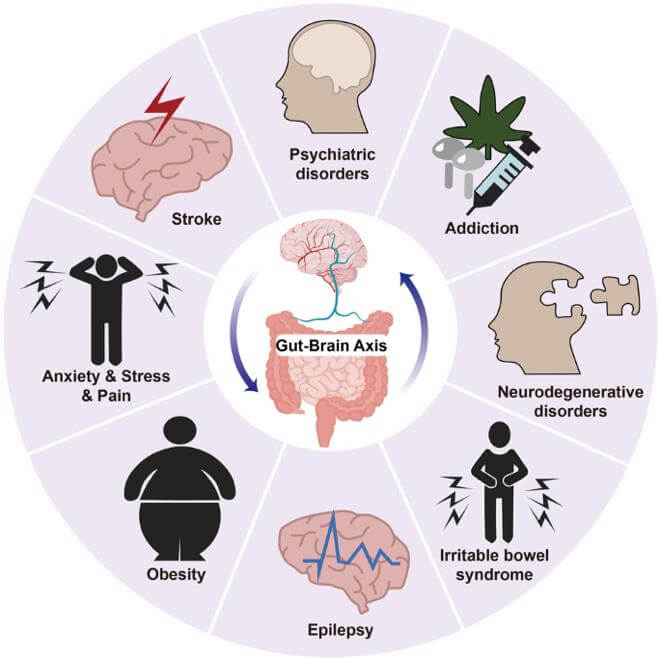
  • Leaky Gut Epidemic: The prevalence of leaky gut syndrome is on the rise, with up to 80% of adults in the U.S. believed to have some degree of intestinal permeability. This condition allows toxins and pathogens to enter the bloodstream, triggering widespread inflammation and contributing to chronic health issues.

Functional Testing for Toxic Overloads

Functional testing can provide valuable insights into an individual’s micronutrient status, helping to identify specific deficiencies and guide targeted interventions. Here are some common types of functional tests available:

  • Blood Tests:Standard blood tests can measure levels of certain vitamins and minerals, such as vitamin D, B12, iron, and folate and liver function tests. These tests help determine if deficiencies exist and can guide dietary or supplementation choices.
  • Comprehensive Metabolic Panel (CMP):A CMP can provide information about electrolytes, liver function, kidney function, and protein levels, which can indicate overall nutritional status and identify potential deficiencies/toxicities.
  • Organic Acids Test (OAT):The OAT measures metabolic byproducts in the urine that can indicate deficiencies in B vitamins, fatty acids, and amino acids. This test can help identify imbalances that affect energy production and overall health. They can also identify organic toxins, infections and pathogens
  • Stool Tests:Comprehensive stool testing can assess gut health and microbiome composition, which can impact nutrient absorption. Tests may evaluate levels of beneficial bacteria, the presence of pathogenic organisms, and digestive function.

Interventions can include the following:

1 – Supporting Mitochondrial Health

Mitochondria, the energy-producing powerhouses of cells, are highly susceptible to oxidative damage. Mitochondrial dysfunction not only leads to fatigue but also accelerates aging and increases the risk of chronic disease. Key nutrients for supporting mitochondrial health include CoQ10, L-carnitine, and alpha-lipoic acid are essential for mitochondrial efficiency and can be supplemented to support energy production and reduce oxidative stress.

Intermittent fasting or time-restricted eating can also promote autophagy, a process that helps the body clean up damaged cells, reducing oxidative damage and improving mitochondrial function.

Improving mitochondrial health is integral to slowing the aging process, boosting energy, and reducing the accumulation of oxidative stress. 

2 – Detoxification and Environmental Toxin Reduction

Environmental toxins such as heavy metals, pesticides, and chemicals found in everyday products significantly contribute to oxidative stress. Several detoxification strategies to help the body reduce its toxic load and minimize oxidative damage. Switching to clean, non-toxic products is a great start. Replacing conventional personal care and cleaning products with non-toxic, organic alternatives reduces exposure to harmful chemicals. Using water filters and air purifiers may also help reduce exposure to environmental pollutants. Supporting detoxification pathways is also crucial. Certain liver-supporting nutrients like milk thistle, N-acetylcysteine (NAC), and cruciferous vegetables can enhance the body’s natural detoxification processes.

Book a private consultation today and take control of your own health. Call us at +65 6323 6652 or email us at admin@naturaltherapies.com to make an appointment. If you need help you can click HERE to review your lifestyle choices and find out what you can do to improve it. Health and Wellness Assessment. We are pleased to offer consultations via Zoom for online coaching clients.

We are here for you at Sundardas Naturopathic Clinic.

Yours in Health,

Prof. Sundardas D Annamalay

Do You Have the Core Priority to Guide Your Life?

      No Comments on Do You Have the Core Priority to Guide Your Life?

Recently, I was having a discussion with my wife about the difference between discipline and willpower. And I actually told her that I, I’m aware of how limited my willpower is, which as why as much as possible, I tried to live a life where I’m not using willpower, I’m using discipline.  

Let me distinguish between discipline and willpower. If you have developed a habit of waking up at 5:00 AM every day, you don’t need to have willpower to wake up at 5:00 AM. If you haven’t got the habit, then you have to use willpower in order to wake up at 5:00 AM in the morning and it’ll take you 21 days to develop the habit.  

You will have to use willpower for 21 days to get up at 5:00 AM until your mind and your psyche are conditioned and, programmed with that habit. And once it gets programmed with that habit, you no longer need to use your will power. It becomes habit and discipline. What very successful people have is a series of habits built into the discipline. 

They don’t need to use the will power in order to use those habits they have developed. When you’re meeting with an expert, like an engineer, an architect, a physician, an accountant, and you see their very skilled approach to their problem solving, you are actually looking at their discipline. You’re not looking at the willpower because if it was all about willpower, it will not go very far.

Why am I making this distinction? Because in my overview of looking at how people succeed, struggle, and fail, I have found that becoming aware that you have a problem and whether you can take the requisite steps to solve the problem and be successful in solving the problem will depend on whether you have the right habits in place. 

The evaluate phase of designing your life is so crucial. If you don’t do a thorough job here, then later on other pieces, other things are going to come up and it’s going to get really difficult to move on. So the first issue is become clear about the priority in your life. What is the most important priority you right now in your life?  

And what will this priority be? Pick a priority that is going to be important enough for the next 12 months to at least 24 or maybe 36 months. Then, you’re going to use that priority to design the rest of your life. Only when you’re successfully use that priority and you have designed your life and you know what’s working and what’s not working, then you can decide to go and do other things.

If you just have cognitive awareness that you have a problem and you are emotionally involved, you have the means to solve that problem, you can do something about it. When you do not have the requisite habits, then the steps that you take to solve the problem will not be consistent and will not be long lasting.  

To give you a very specific example, when I need to develop a habit, I spend 21 days doing it and then it becomes automatic. Now, there are things I’ve done in my past, so I have the repertoire of habits, locked away in my mental arsenal, so as to speak. All my clients follow this protocol find that the routines become automated and their respective problem-solving habits improve. 

I may not be doing those habits now, but every time I require them I can pull them up. So last year I decided that I would fast do a water fast once a week and when I started doing this water fast, because I’ve done so many years of fasting from ages 20 to 30, I have the necessary skillsets. So every Tuesday in the morning, I would take, herbal pills to make sure my bowels would remain open, and drink water the whole day. I actually know exactly what are the times I will feel a rumble or something, and I need to make sure I got enough fluid throughout the whole day. And of course, I’m working in my practice now, some people looking at me will say, oh wow, that’s a lot of self control. And sure, I’m going to tell you there’s no self-control involved.

If I have it, it’s instant discipline taking in because I do not have that much self control and I know that. So why am I saying this over and over again? You need to consider your life and you need to evaluate what’s really, really important, and then you can pull in the right habits.   

So why was fasting once a week important to me? Apart from the physical benefits, losing the weight, autophagy, making sure that any toxic molecules are metabolized is also part of my spiritual practice. It also helps me reflect on my life. I made it a part of the discipline and the discipline took over. The moment I’m approaching Monday, I know on Tuesday I’m going to be fasting. By Monday evening, I make sure that my meal starts shrinking so it’s easier to go into the next thing. Now, I’m not suggesting that anybody else do this.

I’m not even saying it may work for you. But the point here is you want to look at your life, you want to evaluate your life, you want to look at your physical habits, your exercise patterns, your nutrition, your diet, your sleep and your water habits. And then you want to look at the clutter in your life. What do I mean by clutter in your life? The cluster in your life is whatever it is, the extra weight you’re carrying, the extra unnecessary weight you’re carrying needs can be habits, it can be relationships, it can be the way you connect with things or people that actually don’t serve you.  

So if you do not plan to have a, you know, a deliberately designed life where you have habits to fall back on and the habits are the basis for your discipline, and you are constantly relying on willpower, what will happen is most of the things you want to do, you will not do the way you want to or it will not be done to your satisfaction.   

Book a private consultation today and take control of your own health. Call us at +65 6323 6652 or email us at admin@naturaltherapies.com to make?an appointment. If you need help you can click HERE to review your lifestyle choices and find out what you can do to improve it. Health and Wellness Assessment. We are pleased to offer consultations via Zoom for online coaching clients. 

We are here for you at Sundardas Naturopathic Clinic.  

Yours in Health, 

Prof. Sundardas D Annamalay 

Leaky Gut Syndrome Ruining your Life?

      No Comments on Leaky Gut Syndrome Ruining your Life?

Feel like you’ve tried everything: diet changes, more rest, willpower? But you’re still struggling with fatigue, pain, brain fog, or other chronic issues?  

It’s a frustrating cycle. And the issue often goes deeper than just your symptoms. 

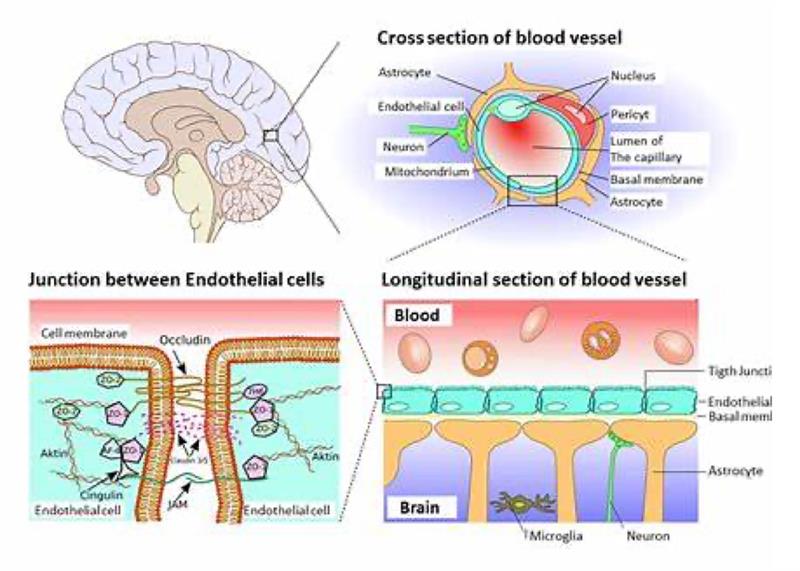
Many top health experts now believe “leaky gut” is a key factor. Officially known as intestinal permeability, it occurs when microscopic holes in the gut lining allow toxins and undigested food particles to escape into your bloodstream. This breach triggers a chronic immune response and body-wide inflammation, which can manifest as autoimmunity, skin problems, mood issues, and more.

Leaky gut syndrome, also known as intestinal permeability, is a condition in which the lining of the intestines becomes inflamed and damaged, allowing toxins, bacteria, and undigested food particles to pass through the intestinal wall and enter the bloodstream. This can lead to a range of health issues, including digestive problems, food sensitivities, autoimmune disorders, and chronic inflammation. 

 Causes of leaky gut syndrome can vary, but common factors include a diet high in processed foods, high sugar intake, chronic stress, excessive alcohol consumption, use of antibiotics and other medications, and underlying gut infections. Genetic predisposition and environmental factors can also play a role in the development of leaky gut. 

Symptoms of leaky gut syndrome can manifest in different ways, including bloating, gas, diarrhea, constipation, fatigue, skin rashes, joint pain, headaches, and brain fog. These symptoms can vary in severity and may be exacerbated by certain foods or lifestyle factors. 

Treatment options for leaky gut syndrome typically focus on addressing the underlying causes of intestinal permeability and supporting the gut lining to heal and restore optimal function. Naturopathic approaches to leaky gut syndrome often emphasize the importance of nutrition, as diet plays a crucial role in promoting gut health and reducing inflammation. 

Key dietary recommendations for managing leaky gut syndrome include: 

  1. Eliminating inflammatory foods: Foods that can contribute to gut inflammation and worsen leaky gut syndrome include processed foods, sugar, gluten, dairy, soy, and artificial additives. Removing these trigger foods from the diet can help reduce inflammation and support gut healing.
  1. Incorporating gut-healing foods: Foods rich in nutrients that support gut health, such as bone broth, fermented foods, probiotic-rich foods, and prebiotic foods (such as garlic, onions, and leeks), can help promote a healthy balance of gut bacteria and improve intestinal barrier function.
  1. Emphasizing anti-inflammatory foods: Foods high in antioxidants and anti-inflammatory compounds, such as fruits, vegetables, omega-3 fatty acids, and herbs/spices like turmeric and ginger, can help reduce inflammation in the gut and support healing.

In addition to dietary modifications, certain supplements can be beneficial in supporting gut health and healing in individuals with leaky gut syndrome. Probiotics, digestive enzymes, L-glutamine, quercetin, and slippery elm are some examples of supplements that may help repair the gut lining and restore intestinal barrier function. 

Lifestyle changes can also play a significant role in managing leaky gut syndrome. Managing stress through relaxation techniques, getting regular exercise, staying hydrated, and getting adequate sleep are all important factors in supporting gut health and overall well-being. 

In conclusion, leaky gut syndrome is a complex condition that can have a significant impact on overall health and well-being. By addressing the root causes of intestinal permeability, including dietary and lifestyle factors, individuals can effectively manage leaky gut syndrome and support their gut health naturally. Empowering oneself with knowledge and making proactive changes to promote a healthy gut can lead to lasting improvements in gut function and overall health. Consulting with a naturopathic doctor or functional medicine practitioner who specializes in gut health can also provide personalized recommendations and support in managing leaky gut syndrome through a holistic approach. 

Book a private consultation today and take control of your own health. Call us at +65 6323 6652 or email us at admin@naturaltherapies.com to make?an appointment. If you need help you can click HERE to review your lifestyle choices and find out what you can do to improve it. Health and Wellness Assessment. We are pleased to offer consultations via Zoom for online coaching clients. 

We are here for you at Sundardas Naturopathic Clinic.  

Yours in Health, 

Prof. Sundardas D Annamalay 

Uncovering the Invisible Rules Running Your Life

There’s a moment — sometimes quiet, sometimes disruptive — when you realize? your life has been guided by invisible rules you never agreed to. 

Rules like:  

  • “I have to earn love by pleasing everyone.” 
  • “I can’t rest until everything is perfect.”
  •  “If I don’t stay small, I’ll be rejected.” 

These internalized rules?aren’t true. But they’ve become part of the nervous system’s survival strategy — so they?feel?true. And until they’re questioned, they quietly shape your identity, choices, and relationships.

They’re often formed in?childhood?or reinforced through?trauma, and they continue to operate quietly in the background —?unless we choose to wake up to them. 

And when you do, you begin to hear another voice. A quieter one. A truer one. 

It might say:

“There’s more to me than this protective identity.”
“Maybe I don’t need to fix myself to be worthy.”
“What if I could live from wholeness instead of fear?” 

It can be ideas and thoughts you have about yourself. It can be all representative thinking that you have that are no longer based on the current reality. And so, you actually need to evaluate yourself. Now, in Neuro Linguistic Programming (NLP) we have this idea of seven plus minus two bits of information per second. So, if you’re going to make changes in your lifelike say for example in relationships, right? Uh, using it as an example, you can have seven plus minus two slots on the types of relationships you have.  

If you have limiting relationships and you want to change them, the first thing you have to do is you have to end those limiting relationships before you can start new relationships because you only have that many slots in your life. So, if that seems a bit hard for you to, again, then I going talk about a lady and a closet, you may have seven plus minus two hangers in your closet. You have to throw away your old clothes before you can buy new clothes. And this one, I think many ladies really understand with me.

So why is this important me evaluate phase of your life? The evaluate phase of designing your life is so crucial. If you don’t do a thorough job here, then later on other pieces, other things are going to come up and it’s going to get really difficult to move on.  

So the first issue is become clear about the priority in your life. What is the most important priority you right now in your life? And what will this priority and, and pick a priority that is going to be important enough for the next 12 months to at least 24 or maybe 36 months.  

So you’re going to use that priority and you’re going to use that priority to design the rest of your life. Only when you’re successfully use that priority and you have a kind of, you know, design your life and you know what’s working and what’s not working, then you decide to go and do other things.

Now, when I am teaching my clients about these ideas, one of the crucial distinctions that came up for me was that many people do not understand the power of having habits and becoming aware of them. And this idea that you can use your willpower to do anything you want in your life when actually, willpower is actually very, very limited because of our psyche and the way our brain is designed. So let illustrate this concept. If you’re going to go into the supermarket to shop for food and buy food back, it’s only safe to do it after you have eaten a full meal.  

Otherwise, when you go into the supermarket, everything will look attractive. So now you’re looking at the power of willpower. So if you’re hunting and you go into a supermarket, you will have to use willpower and knowledge to decide what to buy and what not to buy. The moment you have satisfied your hunger, then when you go into the supermarket, you will go back to a habitual way of picking items that you need for your week or your next few days for cooking and what have you. 

The basis for evaluation what matters about your life is getting straight about your priority in a neutral environment. 

Call us 6323 6652 or email us at admin@naturaltherapies.com for an appointment. If you need help you can click here to review your lifestyle choices and find out what you can do to improve it. Health and Wellness Assessment. We are here for you at the Sundardas Naturopathic Clinic.  

We are here for you at Sundardas Naturopathic Clinic.  

Yours in Health, 

Prof. Sundardas D Annamalay 

Are you Ready to Design your Life?

      No Comments on Are you Ready to Design your Life?

Are you ready to go about designing your life.  I’m referring to my book,” Life by Design” and there are people who follow some of my online programs called the Freedom Formula, which is based on “ Life by Design” In this section, I’m going to talk about the basis for living a fulfilled life. Now many people have different definitions of what a fulfilled life is, so I’m not going to define what a fulfilled life is.  

Instead, I’m going talk about the criteria for living a full fulfilled life. And before you live the full fulfilled life, you need to do three things, three essential things. You need to evaluate your life, you need to discuss what doesn’t work, and only then can you design and implement things that actually work for you. What most of us do, and this is very much a product of our early training and background, is that we think of a problem and immediately jump to look for the best fit solution.

We are not looking at the context and framework required to see if we are approaching the whole thing the right way. Now, in order to provide an example and a concept for the idea for the three concepts of evaluate, eliminate and implement, I’m going to give you the simple example of my stepdaughter and her shoes.  

Why am I picking shoes? Because very few people will have deep emotional issues with the idea of shoes, so I can talk about it and I’m not going to trigger too many people’s emotional issues and trauma and all of that.   

Later on, you’ll realize I’m not really talking about shoes actually. So, my stepdaughter kept complaining about there being no room for her shoes. She kept buying shoes, some of the shoes she used, some she did not, and some needed to be repaired. She kept everything thinking that she might need them one day.   

Finally, the matter got socially out of control and she decided to clean it up and sorted out. So she worked out a schedule. She kept the shoes she used regularly, the shoes she looked good in. She sold the shoes she never used at a second-hand shop. She looked at the shoes that needed to be fixed and realized she would never fix them and threw them away.

She needed both the discipline and the system. Otherwise, she would end up either keeping all the shoes or giving or throwing them all away. And if she didn’t do it correctly, she would might discover later on, she threw away shoes she would need.  

So, in exactly the same way, our life gets cluttered with commitments and activities that are often well-intentioned. Most of these have no expiry dates, and so we never stop doing them unless we develop a system for eliminating the ones that don’t work for us. So, the first step, before you even decide to evaluate and implement this, you need to be clear about your priorities in your life, your relationships, your health, and your career.  

The reality is your psyche can only really handle one major priority. You have to decide, you will have to pick one core priority that will help you grow and thrive and keep it all together. And maybe you may change its priority every year or every two years or every three years depending on how much you need to put things together.  

So this is how if you’re going to design a fulfilled life, you need to start off with that core priority. And having said this about the core priority, one of the, um, other issues that you may want to be aware of is that in the process of evaluating one of the major illusions that people have is that they have total freedom of choice and let their brain in the psyche in their later years, especially at 35 and beyond, is very similar to what it was before that a crucial thing to understand is once you cross the 30 5-year-old mark, uh, something happens in your brain, something happens in your psyche, and I talk all about it in some of my other podcasts and, um, other thoughts, I won’t say too much about it.

Yeah, but something happens, and there are two concepts I want to talk about. One is willpower and the other is discipline.

After 35, on a good day, you only have five minutes of willpower a day. I know this may shock you, right? But the reality is if you have a life that is very chaotic and poorly designed, then you will exhaust your five minutes of willpower within the first half hour, even within the first 10 minutes of your day. And the rest of the time, your whole life, the whole day will be one by default. And if you have good habits, great. If you have bad habits, it will be, you will be defaulting to your bad habits.

This may even give you an idea of why people like Steve Jobs, used to go around with turtle neck sweaters. Because the act of deciding what to wear unless you are a social influencer or a media person where what to wear becomes a major part of your attire, your armour to speak for the rest of us. If you spend five minutes deciding on what you’re going to wear, you have you used up your five minutes of willpower, okay? That’s really important idea to understand.  

So if you do not plan to have a, you know, a deliberately designed life where you have habits to fall back on and the habits are the basis for your discipline, and you are constantly relying on willpower, what will happen is most of the things you want to do, you will not do the way you want to or it will not be done to your satisfaction. 

Call us 6323 6652 or email us at  admin@naturaltherapies.com for an appointment. 

Book a private consultation today and take control of your own health. Call us at +65 6323 6652 or email us at admin@naturaltherapies.com to make?an appointment. If you need help you can click HERE to review your lifestyle choices and find out what you can do to improve it. Health and Wellness Assessment 

We are pleased to offer consultations via Zoom for online coaching clients. 

We are here for you at Sundardas Naturopathic Clinic.  

Yours in Health, 

Prof. Sundardas D Annamalay

The 4 Stages of Sleep and their Impact on Heart Rate

A deeper understanding of sleep stages can help explain the changes in your heart rate during the night. There are four main stages of sleep, each affecting your heart differently:  

Stage 1: Light Sleep 

  • Overview:
    This is the transition phase between wakefulness and sleep. Your body starts to relax, and your heart rate begins to slow down. 
  • Heart Rate Impact:
    Your heart rate drops gradually, setting the stage for deeper sleep. 

Stage 2: Deeper Light Sleep 

  • Overview:
    In this phase, your body temperature drops and your muscles begin to relax further. 
  • Heart Rate Impact:
    Your heart rate becomes more stable, preparing you for deep sleep. 

Stage 3: Deep Sleep (Slow-Wave Sleep) 

  • Overview:
    This is the most restorative phase of sleep. Your body repairs tissues, builds bone and muscle, and strengthens the immune system. 
  • Heart Rate Impact:
    Your heart rate is at its lowest during deep sleep, which is vital for recovery. A healthy deep sleep can be seen as a sign of a well-rested heart. 

REM (Rapid Eye Movement) Sleep 

  • Overview:
    REM sleep is where most dreaming occurs, and brain activity increases. 
  • Heart Rate Impact:
    Your heart rate can become slightly irregular during REM sleep. These variations are normal, but consistently low heart rate variability (low HRV during sleep) might signal that your body isn’t recovering as well as it should. 

Understanding these stages can help you interpret your data from smart rings devices. By knowing what happens during each stage, you can make more informed decisions about your sleep habits. 

Modern wearable technology has transformed how we monitor our health. Smart rings, such as those, offer a continuous, non-intrusive way to track your sleeping heart rate and heart rate variability. Here’s why they are game-changers: 

  • Real-Time Data Collection:
    Your ring tracks your heart rate every minute while you sleep, providing a detailed picture of your nighttime heart activity. 
  • Visual Insights:
    The Smart ring displays your data in easy-to-read charts and graphs. You can view trends over days, with insights into your sleeping heart rate available in the weekly report. This can help you understand whether your heart rate is within the normal range for your age during sleep. 
  • Actionable Feedback:
    The app can alert you if it detects unusual patterns. For instance, if you experience a spike in your sleeping heart rate or a drop in HRV, it might prompt you to adjust your bedtime routine or check with a doctor. 
  • Integration with Lifestyle Changes:
    By monitoring how factors like sleep posture—such as sleeping with knees up or sleeping with arms above your head—affect your heart rate, you can tailor your habits to improve sleep quality. 
  • Continuous Improvement:
    Tracking long-term trends enables you to measure the impact of lifestyle changes, such as reducing caffeine intake or practicing relaxation techniques. You can even correlate improvements with how often you experience disturbances like “why do I wake up at 3am.” 

Using a smart ring makes it easier than ever to gain insights into your heart health and make informed decisions about your daily habits.  

Book a private consultation today and take control of your own health. Call us at +65 6323 6652 or email us at admin@naturaltherapies.com to make?an appointment. If you need help you can click HERE to review your lifestyle choices and find out what you can do to improve it. Health and Wellness Assessment 

We are pleased to offer consultations via Zoom for online coaching clients. 

We are here for you at Sundardas Naturopathic Clinic.  

Yours in Health, 

Prof. Sundardas D Annamalay 

The Power of a Purpose Driven Life

      No Comments on The Power of a Purpose Driven Life

As a seasoned naturopath, I have witnessed first-hand the remarkable effects of living a purpose-driven life on overall health, vitality, and longevity. The concept of purpose goes beyond simply existing; it involves finding meaning, passion, and fulfilment in our daily lives. When we have a clear sense of purpose, we are more motivated, resilient, and optimistic, which can have profound implications for our physical and mental well-being.  

https://www.sundardasnaturopathy.com/our-assessment-methods

Research has shown that individuals who have a strong sense of purpose are less likely to develop chronic diseases, such as heart disease, diabetes, and depression. A study published in the journal JAMA Psychiatric found that people with a higher sense of purpose had a lower risk of Alzheimer’s disease and other age-related cognitive decline. Another study in the journal Psychological Science concluded that having a sense of purpose is associated with a longer life span. 

But how exactly does living a purpose-driven life impact our health? One of the key mechanisms is through the reduction of stress. When we have a clear purpose, we are better equipped to deal with life’s challenges and setbacks, leading to lower levels of stress and anxiety. Chronic stress has been linked to a host of health problems, including high blood pressure, immune system dysfunction, and digestive issues. By cultivating a sense of purpose, we can protect ourselves from the detrimental effects of stress on our bodies.   

https://www.sundardasnaturopathy.com/                                                    

Furthermore, living a purpose-driven life is associated with healthier lifestyle choices. When we have a reason to get out of bed in the morning, we are more likely to prioritize self-care activities, such as exercise, proper nutrition, and adequate sleep. A study published in the journal Health Psychology found that individuals with a strong sense of purpose engaged in more physical activity, slept better, and had healthier diets compared to those without a clear sense of purpose. 

In my practice, I have seen countless clients who have experienced remarkable improvements in their health after discovering their purpose in life. One such example is Sarah, a middle-aged woman who came to me with chronic fatigue and digestive issues. Through our sessions, she realized that she had been living her life according to others’ expectations and had lost touch with her own passions and dreams. As she started to reconnect with her true purpose, Sarah’s energy levels increased, her digestion improved, and she reported feeling happier and more fulfilled. 

So how can you cultivate a sense of purpose in your own life? Here are some practical tips and strategies to help you discover and live your purpose: 

  1. Reflect on your values and passions: Take some time to think about what truly matters to you and what activities bring you joy and fulfilment. Your purpose is often aligned with your values and interests.
  1. Set goals and take action: Once you have identified your purpose, set goals that align with it and take small steps every day towards achieving them. Progress towards your goals can give you a sense of accomplishment and motivation.
  1. Connect with others: Surround yourself with like-minded individuals who support and encourage you on your journey towards living a purpose-driven life. Joining a community or group related to your interests can help you stay motivated and inspired.
  1. Practice gratitude: Appreciating the blessings and opportunities in your life can help you stay focused on your purpose and maintain a positive outlook. Keep a gratitude journal or practice daily gratitude exercises to cultivate a sense of contentment.

In conclusion, living a purpose-driven life is not only beneficial for our mental and emotional well-being, but it also has profound effects on our physical health and longevity. By finding meaning and fulfilment in our daily lives, we can reduce stress, make healthier lifestyle choices, and experience greater overall well-being. I encourage you to explore your passions, set meaningful goals, and connect with others who share your values. Embrace your purpose and watch as your health and vitality flourish. Remember, a life lived with purpose is a life well-lived. 

Book a private consultation today and take control of your own health. Call us at +65 6323 6652 or email us at admin@naturaltherapies.com to make?an appointment. If you need help you can click HERE to review your lifestyle choices and find out what you can do to improve it. Health and Wellness Assessment 

We are pleased to offer consultations via Zoom for online coaching clients. 

We are here for you at Sundardas Naturopathic Clinic.

Yours in Health, 


Prof. Sundardas D Annamalay