Are you protecting your brain — or leaving it exposed?

Your brain is protected by one of the most sophisticated defence systems in the human body: the blood–brain barrier (BBB). This tightly regulated network of cells acts like a security checkpoint, allowing nutrients in while keeping many harmful substances out. It’s remarkably effective—but it isn’t invincible.

Modern life exposes us to compounds that are small, persistent, and biologically disruptive. Per- and polyfluoroalkyl substances (PFAS), certain heavy metals, and mycotoxins from mold-contaminated foods or environments are examples. These substances can accumulate in the body over time, placing stress on metabolic, immune, and nervous system pathways. While the BBB blocks many threats, systemic toxic burden can still indirectly affect brain function through inflammation, oxidative stress, and disruptions along the gut–brain axis. 

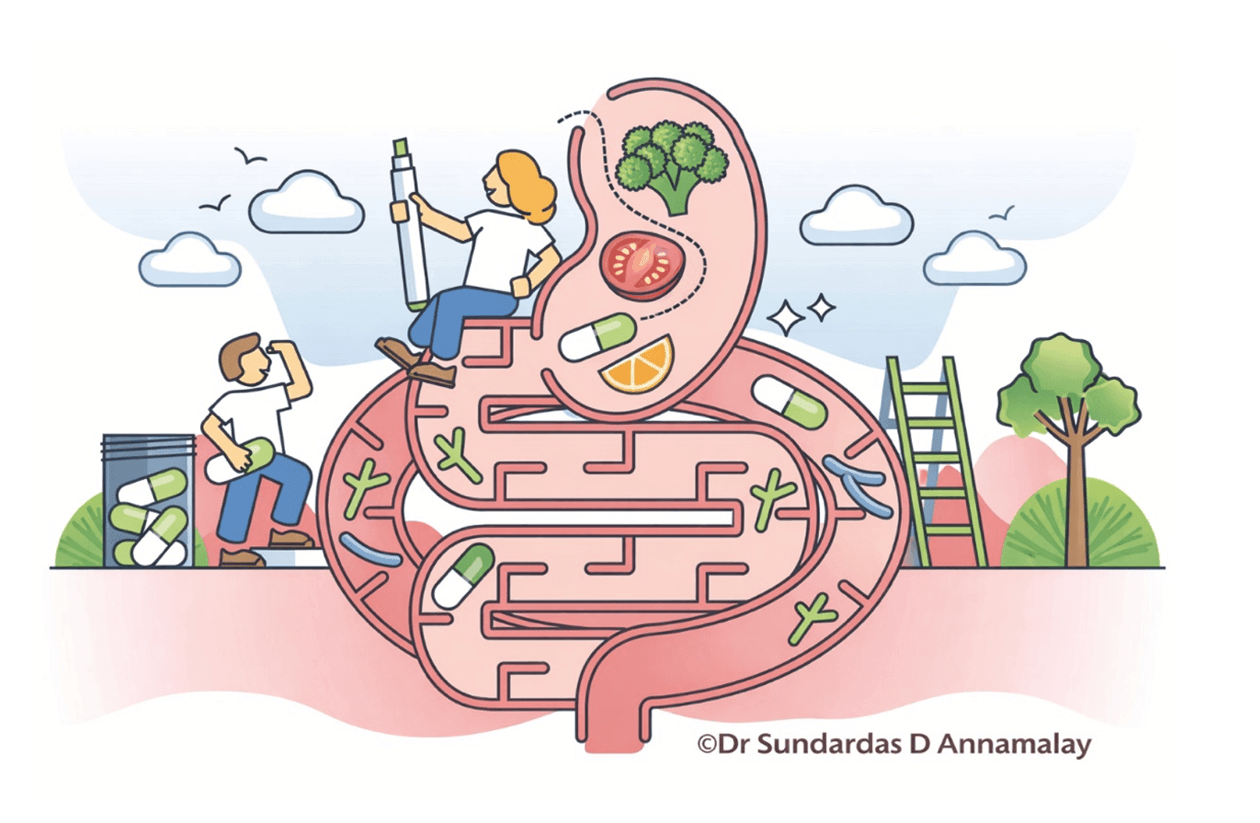
Why the Gut Matters for Brain Health

An important insight from current research is that the brain does not operate in isolation. The gut, liver, immune system, and nervous system are deeply interconnected. Many toxins never need to cross the BBB to impair mental clarity or energy; they can act upstream by increasing inflammatory signaling or overloading detoxification pathways.

This is where nutritional strategies aimed at the gut become relevant.

Beta Glucan: A Gut-Level Defence Strategy

Beta glucans are naturally occurring soluble fibers found in yeast, oats, and certain fungi. They are best known for supporting immune modulation and gut health. In the digestive tract, beta glucans can bind a range of undesirable compounds and support their elimination through normal digestive processes. Rather than “detoxing” the brain directly, they help reduce the overall toxic load the body has to manage.

When combined thoughtfully with complementary compounds such as resveratrol and vitamin C, the effect may be amplified:

  • Beta Glucan supports binding and removal of certain toxins at the gut level while also interacting with immune receptors that regulate inflammation.
  • Resveratrol is a polyphenol studied for its antioxidant properties and its role in supporting cellular stress responses, including in neural tissue.
  • Vitamin C contributes to antioxidant defense and supports normal detoxification enzymes in the liver.

Potential Cognitive Benefits

By reducing systemic stressors and supporting antioxidant balance, this combination may indirectly benefit brain performance. Users often describe improvements such as:

  • Better focus and mental clarity
  • Improved energy and reduced “brain fog”
  • Greater resilience to cognitive fatigue under stress

These effects are not the result of stimulants or drugs, but rather of improving the internal environment in which the brain operates. https://www.sundardasnaturopathy.com/neuroplasticity

A Grounded Perspective

It’s important to be precise: no supplement “cleans” the brain or bypasses the blood–brain barrier. What evidence increasingly supports is a more practical strategy—lower the toxic burden at its source, support the body’s natural elimination pathways, and protect cells from oxidative stress. When this happens, the brain often performs better as a downstream effect.

https://blog.drsundardas.com/is-your-fatty-liver-shortening-your-life-span/

For many people, noticeable changes can occur within days to weeks, particularly in energy and clarity, though results vary based on exposure levels, diet, and overall health.

The Takeaway

Protecting your brain isn’t about fighting the blood–brain barrier—it’s about supporting the systems that work alongside it. By targeting toxins in the gut, reducing inflammatory load, and reinforcing antioxidant defences, compounds like beta glucan, resveratrol, and vitamin C offer a rational, systems-based approach to long-term cognitive resilience.

Your brain already has powerful protection. The goal is to help it do its job under modern conditions.

If you need help you can click here to review your lifestyle choices and find out what you can do to improve it. 

Health and Wellness Assessment

We are here for you at Sundardas Naturopathic Clinic.

Yours in Health,

Prof Sundardas D Annamalay 

The Neuroscience of Success: How to stop stress shrinking your brain

In my experience of dealing with CEOs, C-Suite executives and start up entrepreneurs over thirty years, I have found that once they cross the 35 plus marker age wise, they all start to experience increased stress levels that may border on anxiety. I formulated a programme I call “The Neuroscience of Success”.

Ever notice how your brain feels foggy when you’re stressed? That’s not just in your head—chronic stress can actually shrink your brain.

Here’s the deal: when you’re under pressure, your body releases cortisol, the stress hormone designed to help you power through short-term challenges. That’s useful when you need to ace a presentation or dodge traffic. But when stress sticks around, cortisol hangs out too long—and that’s when the damage begins. https://www.sundardasnaturopathy.com/emotional-healing

What Chronic Stress Does to Your Brain

  • Long-term stress doesn’t just make you cranky—it can physically change your brain:
  • Memory problems. Cortisol eats away at the hippocampus, the brain’s memory center.
  • Decision-making struggles. The prefrontal cortex, which handles logic and planning, shrinks under stress.
  • Mood dips. Anxiety and depression risk skyrocket.
  • Faster brain aging. High stress = higher inflammation = brains that wear out quicker.
  • Basically, stress rewires your brain to be more anxious, more forgetful, and less resilient. Not fun. https://www.sundardasnaturopathy.com/somatoemotional-release

How to Fight Back

The good news? You can flip the script. Stress may be inevitable, but you don’t have to let it take over. Try these brain-protecting hacks:

  • Breathe like you mean it. Just five minutes of slow, deep breathing can calm your nervous system and bring cortisol down. Inhale for four, exhale for six—instant reset.
  • Move your body. Whether it’s a walk, workout, or dance break, exercise clears stress hormones and floods your brain with feel-good chemicals.
  • Sleep like it matters. Stress wrecks your sleep, and poor sleep fuels more stress. Break the cycle by setting a consistent bedtime and ditching screens an hour before bed.
  • Turn up the tunes. Calming music isn’t just background noise—it literally lowers your body’s stress response. Bonus: it feels good too. https://www.sundardasnaturopathy.com/neuroplasticity

Your 2-Minute Fix

Feeling overwhelmed right now? Stop what you’re doing and try this: close your eyes, inhale deeply, hold for a beat, then exhale slowly. Repeat for two minutes. Notice how different your body feels? That’s cortisol letting go.

The takeaway: stress is sneaky, but it’s not unbeatable. With small daily habits, you can protect your brain, sharpen your memory, and feel more like yourself again. Your brain is your most valuable asset—don’t let stress steal it.

If you need help you can click HERE to review your lifestyle choices and find out what you can do to improve it. Health and Wellness Assessment

We are here for you at Sundardas Naturopathic Clinic.

Yours in Health,

Prof Sundardas D Annamalay  

The Intergenerational Trauma of Toxicity

      No Comments on The Intergenerational Trauma of Toxicity

Environmental toxins and chemical exposures are no longer niche scientific debates—they’re becoming headline news. And the evidence piling up is deeply concerning: our immune systems are under attack, not just in the present, but across future generations. 

In recent years, the old expression about “trusting your gut” has taken on a whole new meaning. As researchers delve deeper into this complex ecosystem, it’s becoming increasingly clear that these bacteria can play a crucial role in shaping our health, mood, and even longevity. https://blog.drsundardas.com/your-gut-brain-and-you/

Glyphosate: The Weed Killer in Your Body

Glyphosate is the world’s most commonly used herbicide, sprayed on crops around the globe. For years, it was sold as safe. But the story has changed.

A 2024 study found glyphosate in 56% of seminal fluid samples—a shocking discovery with major implications for fertility and reproductive health. Glyphosate is also linked to gut disruption, liver strain, and inflammation. Each of these weakens the immune system’s ability to function at its best.

Plastics in Kids’ Hair

It’s no longer just oceans filled with plastic—our children are carrying it in their own bodies.

Scientists recently detected microplastics in children’s hair, highlighting how deeply these pollutants infiltrate daily life. Microplastics don’t simply pass through harmlessly. They can release hormone-disrupting chemicals, interfere with immune responses, and alter how young bodies grow and adapt.

If kids are already showing these exposures, what might that mean for their long-term health?

PFAS: The Forever Chemicals That Won’t Go Away

PFAS (per- and polyfluoroalkyl substances) are dubbed “forever chemicals” because they never break down. Used in nonstick pans, water-resistant clothing, and even firefighting foam, PFAS now contaminate water supplies nationwide. 

The numbers are staggering: 200 million Americans may be drinking PFAS-contaminated water. These chemicals stay in the body for years, disrupting thyroid function, raising cholesterol, and even lowering vaccine effectiveness. That last point alone should sound alarm bells for public health.

https://blog.drsundardas.com/environmental-toxins-and-your-gut/

Climate Change and Pollution: A Perfect Storm

As if toxins weren’t enough, climate change and ecosystem damage are making things worse. Rising heat worsens air pollution and allergens. Loss of biodiversity reduces natural defenses like clean water and air. 

Put together, these forces create an immunotoxic environment where our bodies are constantly under stress.

The Intergenerational Impact 

Doctors are noticing a shift. More patients show up with overlapping health problems: autoimmune diseases, chronic inflammation, metabolic dysfunction, and fatigue that defies easy answers.

These patterns aren’t random. They reflect an intergenerational accumulation of immune burdens. Research shows that exposures parents face today can alter their children’s genetic expression, making them more vulnerable to immune problems even before birth.

https://blog.drsundardas.com/facts-about-leaky-gut-every-person-should-know-to-improve-gut-health/

What Can We Do? 

Awareness is the first step. Once we acknowledge these invisible threats, we can push for stronger regulations, cleaner industries, and more research. At a personal level, small actions add up:

  • Filter drinking water
  • Choose safer personal care and cleaning products
  • Limit plastic use
  • Support organic and regenerative farming practices

Protecting Today, Safeguarding Tomorrow

Our immune systems are the frontline defense against disease—and they are being eroded. Unless we act now, future generations will inherit not only a polluted environment but also weakened immunity. 

Protecting our health today is about more than survival—it’s about leaving a legacy of resilience for tomorrow.

If you need help you can click HERE to review your lifestyle choices and find out what you can do to improve it. Health and Wellness Assessment

We are here for you at Sundardas Naturopathic Clinic. 

Yours in Health,

Prof Sundardas D Annamalay

The New Epidemic: Sitting Disease

      No Comments on The New Epidemic: Sitting Disease

We’ve all heard the phrase “sitting is the new smoking.” It’s not just a catchy line—it’s the reality of modern life. Most of us spend 7–10 hours a day glued to chairs, couches, or car seats. Welcome to the age of sitting disease. 

The New Epidemic of Sitting Disease 

In the 21st century, technology has made life more convenient than ever. We can work, shop, learn, and socialize without ever leaving our chairs. Yet, this very convenience has fueled what health experts are now calling the “sitting disease.” Unlike infections or viruses, sitting disease isn’t contagious. It’s a lifestyle epidemic—an invisible health crisis creeping into offices, classrooms, and homes around the world.

What Is Sitting Disease?
Sitting disease refers to the cluster of health problems associated with prolonged sedentary behavior—spending too much time seated and inactive. On average, adults now sit between 7 and 10 hours per day. Office workers, students, gamers, and even retirees are increasingly at risk. The problem isn’t just lack of exercise; it’s the sheer number of hours spent immobilized in chairs, cars, and couches, often without realizing how harmful it is. https://www.linkedin.com/feed/update/urn:li:activity:7186257464181374976/

The Science Behind the Risks
Our bodies are designed for movement. When we sit for long periods, muscle activity drops, blood flow slows, and metabolism declines. This creates a cascade of negative effects. Studies show that prolonged sitting is linked to obesity, type 2 diabetes, cardiovascular disease, and certain cancers. It also accelerates aging and can shorten life expectancy, even in people who exercise regularly. In fact, research has found that 30 minutes at the gym cannot fully undo the damage caused by 8 hours of continuous sitting.

Beyond the physical risks, sitting takes a toll on mental health. Extended sedentary time has been associated with higher levels of anxiety and depression. Poor posture, common when slouching at desks or staring at screens, contributes to chronic back, neck, and shoulder pain—adding to the sense of fatigue and stress. 

What’s the big deal?
When you sit too long, your body basically shuts down. Muscles go idle. Blood sugar spikes. Metabolism slows. Over time, this increases your risk of obesity, diabetes, heart disease—even certain cancers. And here’sthe kicker: an hour at the gym doesn’t erase 8 hours of sitting.

The hidden side effects:

  • Slouching wrecks your posture, leading to back and neck pain.
  • Your brain fogs up—sedentary time is linked to anxiety and depression.
  • Long-term sitters face shorter lifespans, even if they’re “healthy” in other ways.

Why it’s everywhere:
Work-from-home jobs, endless Netflix binges, long commutes, gaming, scrolling TikTok—it all adds up. Kids and teens are spending more time hunched over screens than outside playing. Sitting has quietly become a global health crisis, killing millions every year through lifestyle-related diseases. https://www.sundardasnaturopathy.com/painfree

The fix is surprisingly simple: https://www.sundardasnaturopathy.com/posturalwellness 

  • Stand up every 30–60 minutes—stretch, walk, grab water.
  • Swap your chair for a standing desk, or pace during phone calls.
  • Break up screen marathons with movement snacks—2–5 minutes of walking or bodyweight moves.
  • At home, turn chores, gardening, or even dancing in the kitchen into your secret weapon against sitting.

Bottom line:
Sitting disease won’t make headlines like COVID, but it’s silently stealing years from millions of lives. The cure isn’t a pill—it’s movement. So, here’s your reminder: stand up, stretch, and move. Your future self will thank you.

If you need help you can click HERE to review your lifestyle choices and find out what you can do to improve it. Health and Wellness Assessment

We are here for you at Sundardas Naturopathic Clinic.

Yours in Health,

Prof Sundardas D Annamalay

Is the Air you Breathe in Reducing your Life Expectancy?


Air pollution has become one of the most pressing environmental issues of the 21st century, affecting both human health and ecosystems globally. It is defined as the presence of substances in the atmosphere, including gases, particulate matter, and biological materials, at concentrations that can cause harm to humans, animals, plants, and infrastructure (Peavy, Rowe, & Tchobanoglous, 2017). The sources, impacts, and control of air pollution are diverse, and understanding these components is essential for developing effective mitigation strategies.

Air pollutants can be categorized into particulate matter, gaseous pollutants, biological pollutants, and heavy metals or toxic substances. Particulate matter (PM) refers to solid or liquid particles suspended in the air. It is commonly classified based on particle size, such as PM10, which includes particles less than 10 micrometers in diameter, and PM2.5, which includes particles less than 2.5 micrometers (Seinfeld & Pandis, 2016). Sources of particulate matter include vehicle emissions, industrial activities, construction dust, and combustion of fossil fuels. These particles pose significant health risks, including respiratory and cardiovascular diseases.

Gaseous pollutants include sulfur oxides (SOx), nitrogen oxides (NOx), carbon monoxide (CO), volatile organic compounds (VOCs), and ozone (O?). SOx, mainly sulfur dioxide, is primarily produced through the combustion of coal and oil and is a key contributor to acid rain. NOx, emitted from vehicles and power plants, contributes to smog formation and the creation of secondary pollutants. CO results from incomplete combustion and reduces the oxygen-carrying capacity of blood. VOCs, found in paints, solvents, and fuels, react with NOx under sunlight to form ozone at ground level, which is a secondary pollutant (EPA, 2022). Ozone in the stratosphere protects life from ultraviolet radiation; however, at ground level, it is harmful to human health.

Biological pollutants, such as pollen, bacteria, viruses, and mold spores, are also present in the atmosphere and can exacerbate allergies, asthma, and other respiratory illnesses. Heavy metals like lead (Pb), mercury (Hg), arsenic (As), and cadmium (Cd) are released through industrial processes, mining, and the burning of fossil fuels, posing neurological, organ, and carcinogenic risks (WHO, 2021).

Air pollution presents significant challenges worldwide, including health impacts, environmental degradation, economic costs, and contributions to climate change. According to the World Health Organization (WHO, 2021), air pollution is responsible for an estimated 7 million premature deaths annually, making it a leading environmental health risk. Chronic exposure to pollutants such as PM2.5 and ozone increases the prevalence of asthma, lung cancer, cardiovascular diseases, and other respiratory conditions.

Transboundary pollution, where pollutants travel across national borders, creates additional complexity. For example, haze from forest fires in one country can affect air quality in neighbouring nations, necessitating regional cooperation for mitigation (Seinfeld & Pandis, 2016). Remember the infamous Singapore haze. 

We are exposed to many toxins on a daily basis! These toxins bind to and interfere with vital enzymes and proteins. They can damage organs, particularly the brain, liver and kidneys, which are crucial for detoxifying the body.?https://blog.drsundardas.com/is-your-fatty-liver-shortening-your-life-span/ 

Additionally, they can?impair neurological functions. Leading to issues like?memory loss, confusion, and fatigue. Over time, these heavy metals can deteriorate your health drastically! 

https://www.sundardasnaturopathy.com/neuroplasticity

Heavy metals, such as lead, mercury, and arsenic, are pervasive toxins found in the environment. Their accumulation in the body can lead to chronic health conditions: https://www.sundardasnaturopathy.com/oligoscan

 Case Study: Daisy, a 55-year-old woman, experienced her asthma and allergies aggravated during one of the haze episodes in 2023. Testing revealed elevated levels of heavy metals and mold metabolites in her system. Her liver was also overwhelmed. Once we started on an intense process to lower her toxic metal status she experienced a rapid reduction of her symptoms. We also did special oxygen treatment to provide relief for her immediate respiratory distress.

If you need help you can click HERE to review your lifestyle choices and find out what you can do to improve it. Health and Wellness Assessment

We are here for you at Sundardas Naturopathic Clinic. 

Yours in Health,


Prof Sundardas D Annamalay

The Neuroscience of Success

      No Comments on The Neuroscience of Success

In my experience of dealing with CEOs, C-Suite executives and start up entrepreneurs over thirty years, I have found that once they cross the 35 plus marker age wise, they all start to experience increased stress levels that may border on anxiety .I formulated a program I call “ The Neuroscience of Success”.  

The really smart ones begin to recognise that this is something new. Their coping mechanisms are no longer adequate and they need to start defining a new pathway for themselves that includes sleep hygiene, nutritional regulation, mindfulness and a new life perspective. This allows them to successful. 

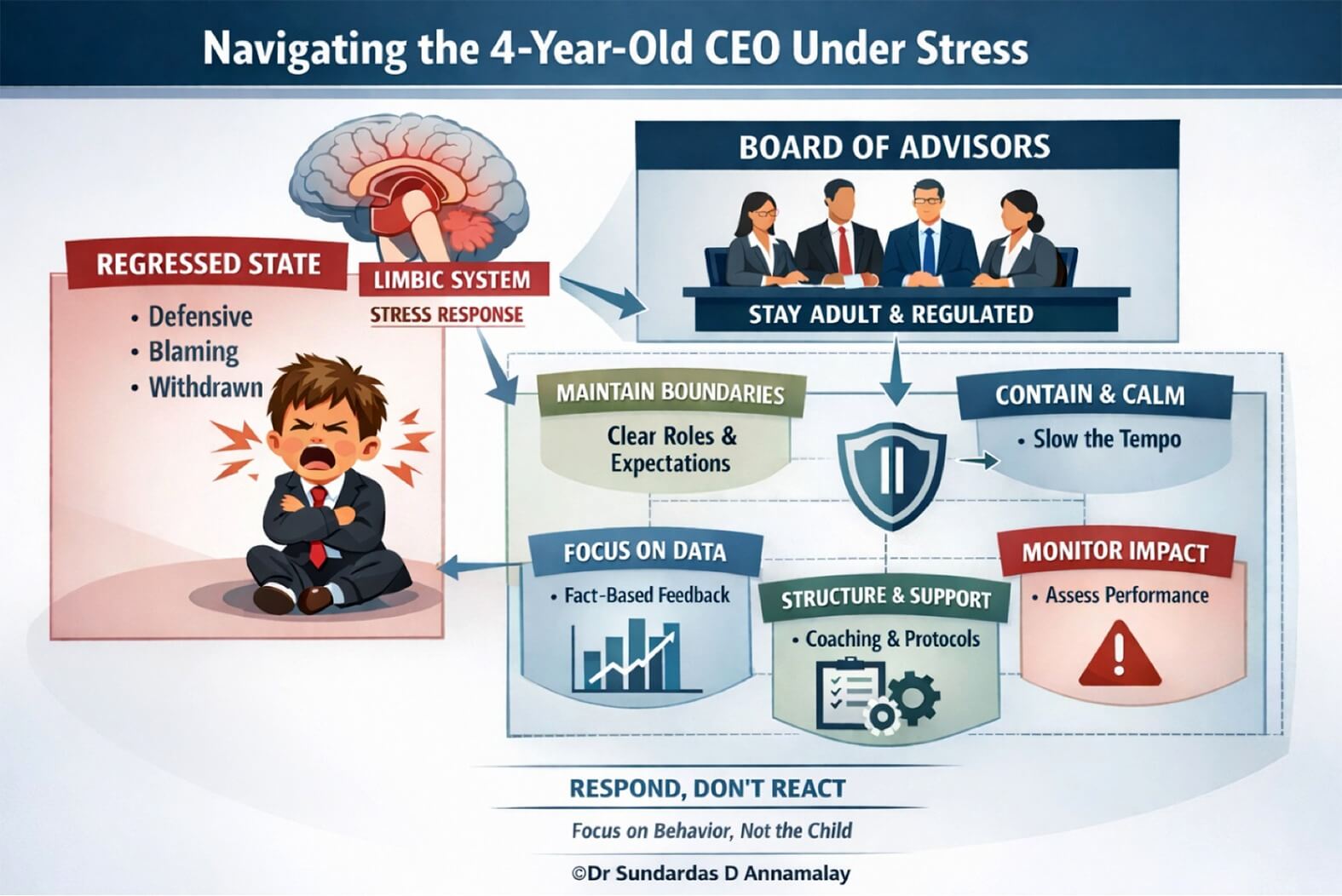
Anxiety is a natural response, a mechanism designed to keep you safe by shutting down your rational brain in moments of perceived danger—a response that can be life-saving. 

https://www.sundardasnaturopathy.com/emotional-healing 

But here’s the catch: your nervous system doesn’t always know how to differentiate between a real threat, like an impending bear attack, and a perceived threat, such as a job interview! 

This confusion can lead to anxiety that manifests with symptoms like a racing heart, sweating, fatigue, and brain fog, among others. 

These symptoms, while not necessarily life threatening can certainly significantly impact your quality of life. 

However, anxiety is very treatable when you know how to recognize and address your unique symptoms. 

Recognizing Anxiety Symptoms 

When anxiety strikes, it’s your body’s way of alerting you to potential danger, even when that danger might not be immediate or physical. You might experience: 

  • A racing heart or mind 
  • Sweating or trembling 
  • Fatigue and exhaustion 
  • Brain fog or difficulty concentrating 
  • A general sense of unease or impending doom 

These symptoms are your body’s response to stress, and while they can be overwhelming, it’s essential to understand that anxiety is not just a mental issue but a full-body experience. Fortunately, by boosting your emotional resilience, you can learn to manage and even alleviate these symptoms.  

https://www.sundardasnaturopathy.com/somatoemotional-release

How to Boost Your Emotional Resilience 

When you’re under chronic stress, your body’s fight-or-flight response becomes constantly engaged. This keeps your cortisol levels high and triggers your sympathetic nervous system—the part of your nervous system that responds to stress with rapid, shallow breathing, constricted blood vessels, and an increased heart rate. https://www.sundardasnaturopathy.com/neuroplasticity 

If you often find yourself feeling on edge, with that heart-racing, jumping-out-of-your-skin sensation, it’s likely that stress has you “stuck” in your sympathetic nervous system. The key to getting unstuck is to activate your parasympathetic nervous system—the part of your body that helps you recover and heal from stress, restoring your emotional resilience. https://www.sundardasnaturopathy.com/gentle-biogenetics 

  1. Switch Off Stress by Stimulating Your Vagus Nerve
  2. Reset Emotional Resilience by Taking a Cold Plunge: Cold exposure has been shown to stimulate the Vagus nerve, helping to lower your stress response and activate your parasympathetic nervous system. 
  3. Chanting and Ear Massage: Chanting and meditation, particularly those using spoken mantras, are excellent for stress relief 
  4. Put New Tools in Your Stress Relief Toolbox :
  • Forest bathing:?Take a walk in nature, focusing on your five senses 
  • Talk to a therapist:?If stress is overwhelming, speaking with a therapist can provide you with coping tools and perspective.  
  • Volunteer:?Helping others can boost your own emotional resilience and give you a greater sense of connection.

If you need help you can click here to review your lifestyle choices and find out what you can do to improve it. Health and Wellness Assessment.

Book a private consultation today and take control of your own health. Simply email us at??admin@naturaltherapies.com to make?an appointment

Or call +65 63236652. We are pleased to offer consultations via Zoom for online coaching clients.

We are here for you at Sundardas Naturopathic Clinic.

Yours in Health, 

Prof Sundardas D Annamalay

Redefining the Health of your Gut Microbiome

      No Comments on Redefining the Health of your Gut Microbiome

In recent years, the old expression about “trusting your gut” has taken on a whole new meaning. As researchers delve deeper into this complex ecosystem, it’s becoming increasingly clear that these bacteria can play a crucial role in shaping our health, mood, and even longevity. https://blog.drsundardas.com/your-gut-brain-and-you/

Let’s look at some ground breaking discoveries that are revolutionizing how we understand gut health!

What Is the Microbiome?

Our bodies are home to trillions of microorganisms, collectively known as the gut microbiome. These tiny inhabitants play a crucial role in our health and well-being, influencing everything from digestion to mood.

The healthy gut carries over 150 bacterial species. These bacteria are so adaptable that the species have subcategories called strains. Each strain has its own genetic profile, enzyme profile, and environmental preferences such as acid-alkali level, oxygen level, what it feeds on, etc. Each person has their own gut bacteria strain profile.

If we take care of our gut bacteria, an abundance of the strains will be beneficial for our health. If we don’t take care of our microbiome, healthy bacteria may be crowded out by harmful strains. If this imbalance worsens, the Candida fungus or parasitic protozoa can increase in numbers and create significant problems in our gut.

https://blog.drsundardas.com/environmental-toxins-and-your-gut/

Importance of Microbiome Balance

Maintaining a balanced gut microbiome is crucial for overall health. The diverse community of microorganisms in our intestines play a pivotal role in various bodily functions.

When the microbiome is in harmony, it aids digestion and enhances nutrient absorption. This balance also supports the immune system, helping the body fend off infections and illnesses more effectively.

Also, a healthy gut environment fosters communication between the brain and gut. This connection highlights how vital our microbes are for physical well-being and emotional stability.

Encouraging a diversity of healthy strains through a diet rich in fiber, probiotics, and prebiotics can significantly enhance this delicate equilibrium within our guts.

However, an imbalanced microbiome (other known as dysbiosis) can lead to digestive issues, inflammation, and even mental health problems.

https://blog.drsundardas.com/facts-about-leaky-gut-every-person-should-know-to-improve-gut-health/

Here’s Some of the Latest Research on the Gut Microbiome

Advancements in microbiome research are transforming our understanding of human health. Here are just a few recent studies that highlight different aspects of the gut microbiome:

  • One study revealed that specific microbial compositions can help regulate weight gain by enhancing metabolic functions. Researchers isolated beneficial strains capable of improving energy extraction from food while regulating fat storage.
  • Another breakthrough involves the connection between the gut microbiome and mood. Research suggests that certain probiotics may help alleviate mood issues, hinting at a powerful link between gut health and mental clarity.https://blog.drsundardas.com/the-benefits-of-fermented-foods-for-gut-health/
  • Gut bacteria can be highly personalized and new findings suggest that the microbiome may be a single, fluid system.
  • One study found that higher levels of a group of bacteria called Oscillibacter were strongly associated with lower levels of cholesterol, triglycerides, and glucose.
  • Research from the UCLA Center for Human Nutrition shows that exercise can help change gut microbiota with its positive effect on energy homeostasis.
  • A NIH-funded study found that disruptions in the microbiome may intensify feelings of fatigue.
  • Fascinating new research suggest that the gut microbiome may experience both A

An AI powered Gut Microbiome test is now available.

If you need help you can click here to review your lifestyle choices and find out what you can do to improve it. Health and Wellness Assessment.

Book a private consultation today and take control of your own health. Simply email us at  admin@naturaltherapies.com to make an appointment

Or call +65 63236652. We are pleased to offer consultations via Zoom for online coaching clients.

We are here for you at Sundardas Naturopathic Clinic.

Yours in Health,

Prof Sundardas D Annamalay

Are You Sitting to Death?

      No Comments on Are You Sitting to Death?

People who predominantly sit at work have a 16% higher risk of mortality from all causes, and a 34% higher risk of?mortality from cardiovascular disease. To counteract the increased risk, individuals who sit a lot at work would have to engage in an additional 15 to 30 minutes of physical activity per day to reduce their risk to that of individuals who do not predominantly sit, researchers estimated. 

For years, we have known that?prolonged sitting has negative health impacts?— that it increases the risk of chronic diseases including obesity, diabetes and cardiovascular death.

Studies have also shown that even light activity to break up the periods of prolonged sitting can reduce that risk. One?2023 Columbia University study?found that people who engaged in light activity for just five minutes every 30 minutes had an almost 60% reduction in blood sugar spikes after a meal. Those who did just one minute of exercise every 30 minutes experienced a drop in blood pressure. 

Overuse injuries develop gradually over time, due to repetitive stress and strain on muscles, tendons, and joints.?Unlike acute injuries, which occur suddenly and are often the result of a specific trauma, overuse injuries result from the cumulative wear and tear of ongoing activities on overworked areas of the body. You may feel you are ageing prematurely 

https://www.linkedin.com/feed/update/urn:li:activity:7186257464181374976/

Our musculoskeletal system absorbs huge amounts of force as we move. Our body is designed to spread that force over a balanced system of bones, muscles, and supporting tissues (ligaments, tendons, etc.). https://www.sundardasnaturopathy.com/painfree

When our bones and joints are properly aligned, our muscles work cooperatively to power, stabilize and disperse the force of our movement.?Misalignments disrupt this cooperative synergy, increasingly concentrating the burden of movement on isolated muscles, bones, joints, and supporting tissues. These overworked and increasingly vulnerable areas of our musculoskeletal system are more susceptible to injury and pain.  

Here are some common problems that lead to overuse injuries: 

  • Muscles that don’t have the chance to rest and recover clamp down or spasm to prevent further injury. 
  • Joints and cartilage exposed to continuous friction during movement and bones overloaded from weight bearing wear out faster than they can be repaired. 
  • Forces designed for distribution across supporting structures working in unison become concentrated on isolated areas, resulting in the breakdown and inflammation of overworked tendons, ligaments, and bursa. 

Overuse injuries are the results of misaligned movement repeated over and over, resulting in excessive –?and avoidable?– wear and tear.

The Postural Neurology Method: Both Prevention and Injury Recovery 

Feel Better: Injury Recovery 

Identifying the root cause of a problem is essential to an effective and lasting solution.? For overuse injuries, that root cause is posture misalignment.? By identifying and measuring your body’s imbalances, we craft a personalized set of exercises targeted to strengthen weak muscles and stretch tight ones, promoting better body mechanics and reducing the stress and strain on effected areas.

Move Better: Injury Prevention 

Improving movement patterns is a central component of The Postural Neurology Method. Overuse injuries often stem from poor movement habits and improper body mechanics.? Your personalized exercises enhance flexibility, strength, and coordination, which are crucial for proper movement and injury prevention.? By correcting misalignments and promoting balanced muscle function, you’ll learn to move more efficiently and effectively, and achieve a more natural and fluid range of motion.

Live Better: Integrating Balance into Your Daily Life 

Ultimately, restoring balance and alignment to your body enhances your overall quality of life. Addressing both the symptoms and root cause of your overuse injuries improves your immediate health.? And practicing correct postural exercises daily supports your long-term wellbeing, allowing you to foster a healthier lifestyle that includes regular exercise, proper?posture, and mindful movement. 

Suffering from an overuse injury??Get a?FREE POSTURE ASSESSMENT?today to identify and understand the alignment issues causing your problem – and what you can do to solve those issues once and for all. https://www.sundardasnaturopathy.com/posturalwellness

If you need help you can click here to review your lifestyle choices and find out what you can do to improve it. Health and Wellness Assessment.

Book a private consultation today and take control of your own health. Simply email us at??admin@naturaltherapies.com to make?an appointment 

Or call +65 63236652. We are pleased to offer consultations via Zoom for online coaching clients.

We are here for you at Sundardas Naturopathic Clinic. 

Yours in Health,

Prof Sundardas D Annamalay

Is Your Mouth Slowly Killing You?

      No Comments on Is Your Mouth Slowly Killing You?

You will easily recognize it in your mouth by its colour… it’s gray or black.

And you can sometimes feel the?”electric battery”?effect by?passing your tongue over it.?

? It’s composed of?only?ONE gram… but the damage it can cause to your body can be absolutely catastrophic! It might be retained at the moment…

But it risks being released into your body?if it breaks or if the seal wears down…

And when that happens… You could be at risk of cancer… and?so many more chronic diseases! 

All because of an attempt to stop a toothache. Some?dental fillings?contain?mercury. ? 

FDA U.S Food and Drug Administration released an article on these very filings… 

“Dental amalgam is a dental filling material used to fill cavities caused by tooth decay. Dental amalgam is a mixture of metals, consisting of liquid (elemental) mercury?and a powdered alloy composed of silver, tin, and copper.? Approximately half (50%) of dental amalgam is elemental mercury by weight.”? 

Mercury is just one of MANY heavy metals we are exposed to on a daily basis! These metals bind to and interfere with VITAL enzymes and proteins. They can damage organs, particularly the brain, liver and kidneys, which are crucial for detoxifying the body. 

?https://blog.drsundardas.com/is-your-fatty-liver-shortening-your-life-span/ 

Additionally, they can?impair neurological functions. Leading to issues like?memory loss, confusion, and fatigue. Over time, these heavy metals can deteriorate your health drastically! 

https://www.sundardasnaturopathy.com/neuroplasticity

One reason for the wide-range of symptoms is that mercury taken into the body can accumulate in virtually any organ.? An estimated 80% of the mercury vapor from dental amalgam fillings is absorbed by the lungs and passed to the rest of the body,?particularly the brain, kidney, liver, lung, and gastrointestinal tract.?  

The?half- life of metallic mercury varies depending on the organ?where the mercury was deposited and the state of oxidation, and?mercury deposited in the brain can have a half- life of up to several decades. 

Toxic effects of this mercury exposure?vary by individual, and one or a combination of symptoms can be present and can change over time. An array of co-existing factors influence this personalized reaction to dental mercury including the presence of other health conditions, the number of amalgam fillings in the mouth, gender, genetic predisposition, dental plaque, exposure to lead, consumption of milk, alcohol, or fish, and more. 

In addition to the fact that individual response to mercury varies, the effects of these exposures are even more insidious because it can take many years for symptoms of mercury poisoning to manifest themselves, and previous exposures, especially if they are relatively low-level and chronic (as is often the case from dental amalgam fillings), might not be associated with the delayed onset of symptoms.?  

It is not surprising that just as there are a wide-range of mercury poisoning symptoms, there are also a wide-range of?health risks related to dental amalgam fillings. 

Additionally, they can?impair neurological functions. Leading to issues like?memory loss, confusion, and fatigue. Over time, these heavy metals can deteriorate your health drastically! 

Heavy metals, such as lead, mercury, and arsenic, are pervasive toxins found in the environment. Their accumulation in the body can lead to chronic health conditions: https://www.sundardasnaturopathy.com/oligoscan

For decades, researchers have probed the link between gum disease and cardiovascular health. Gum disease begins when the sticky, bacteria-laden film dentists refer to as plaque builds up around teeth. A completely different type of plaque — made of fat, cholesterol, calcium, and other substances found in blood — can build up inside arteries. Known as atherosclerosis, this fatty plaque is the hallmark of coronary artery disease. 

“Periodontal disease increases the body’s burden of inflammation,” says periodontist Dr. Hatice Hasturk of the Harvard-affiliated Forsyth Institute, a not-for-profit research organization focused on oral health. Acute inflammation — which involves an outpouring of immune cells that attack irritants and microbial invaders — fosters healing over the short term. But long-term (chronic) inflammation is a key contributor to many health problems, especially atherosclerosis. 

https://www.health.harvard.edu/heart-health/gum-disease-and-heart-disease-the-common-thread

Case Study: Sarah, a 40-year-old woman, experienced unexplained fatigue and brain fog. Testing revealed elevated mercury levels in her blood.

Once we started on an intense process to lower her toxic metal status she experienced a rapid reduction of her symptoms

If you need help you can click HERE to review your lifestyle choices and find out what you can do to improve it. Health and Wellness Assessment

We are here for you at Sundardas Naturopathic Clinic. 

Yours in Health, 

Prof Sundardas D Annamalay

Are Cellphones Frying your Brain?

      No Comments on Are Cellphones Frying your Brain?

If you’re not concerned about cell phone radiation, you should be.

Researchers at UC Berkeley have found that using a cell phone for?just 17 minutes per day can lead to serious health risks.?

And it’s not just cell phones that you need to worry about…

You are bombarded by radiation from EMFs (electromagnetic fields) 24/7 – not only from our cell phones, but from wifi, bluetooth devices, computers, dirty electricity, even from satellites… 

Recently, the Environmental Working Group reviewed all available research and published their own guidance on cell phone radiation. 

What they determined was shocking… 

The current regulations are?200 to 400 times?lower than the science dictates they should be! 

According to Dr. Joel Moskowitz, the Director of UC Berkeley’s Center for Family and Community Health:

“Wireless devices make the energy more biologically active, which interferes with our cellular mechanisms, opening up calcium channels, for example, and allowing calcium to flow into the cell and into the mitochondria within the cell, interfering with our natural cellular processes and leading to the creation of stress proteins and free radicals and, possibly, DNA damage. And, in other cases, it may lead to cell death.” 

Why EMFs May Be Harmful to Your Health

You are an electromagnetic being—your body runs on electrical impulses—which unnatural or manmade radiation can disrupt. The potential harm caused by EMFs was scientifically exposed by Dr. Pall, PhD., Professor Emeritus of Biochemistry and Medical Science at Washington State University, who has become one of the leading EMF researchers in the world.

According to 26 different pieces of research Dr. Pall has published, the problem with EMFs is that they “turn on” a process that floods your cells with excess calcium. 

This creates a whole host of possible problems that can include: 

Mitochondrial damage?(which?lowers energy levels?within cells)

Free radical damage?(which can?accelerate aging?at the DNA level) 

Decreased white blood cell count7?(which can?compromise immunity) 

Issues with normal cellular development in brain?8?(which can lead to?brain fog and low mood) 

Disrupted hormone activity, including melatonin9?(which can?affect sleep)

And many more potential problems still being discovered 

On the other hand, when you reduce exposure—or address the effects of EMF—it can be one of the best things you do for your health.?

Book a private consultation today and take control of your own health. Call us 6323 6652 or email us at admin@naturaltherapies.com for an appointment. If you need help you can click here to review your lifestyle choices and find out what you can do to improve it. Health and Wellness Assessment. We are pleased to offer consultations via Zoom for online coaching clients.

We are here for you at Sundardas Naturopathic Clinic.

Yours in Health,

Prof. Sundardas D Annamalay