What if your Organs could Talk?

      No Comments on What if your Organs could Talk?

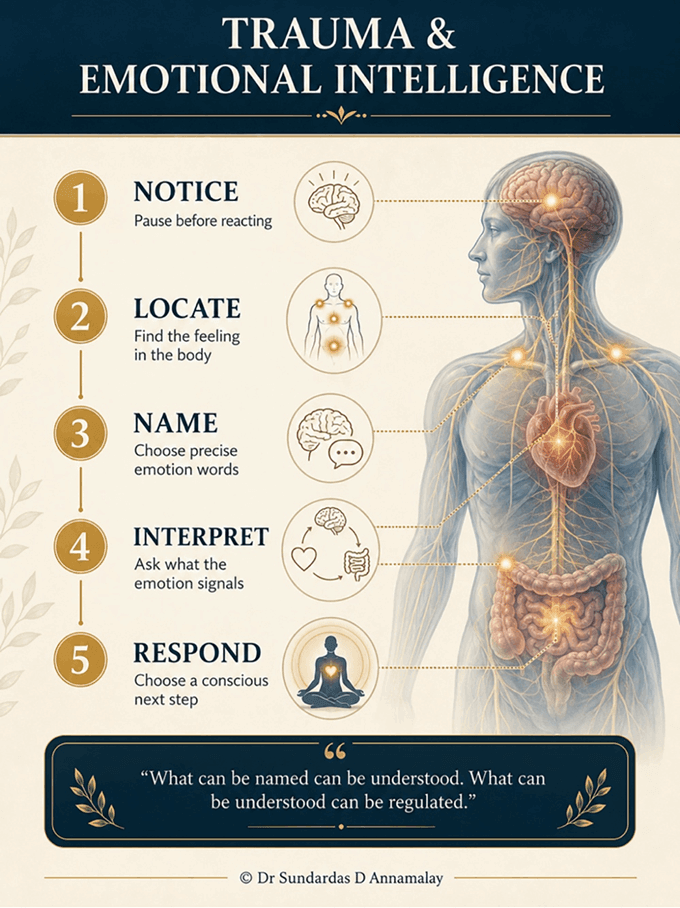
Imagine a low hum beneath your awareness. Not pain. Not symptoms. Just constant feedback. Signals moving between tissues, organs, immune cells—updates about load, repair, stress, timing. If your organs could talk, that’s what you’d hear. Coordination.

Your liver wouldn’t complain dramatically. It would whisper about bandwidth. About how many signals it’s processing at once. About cortisol arriving too often, inflammatory byproducts lingering too long. It would ask for fewer false alarms. Less noise.

Your kidneys wouldn’t ask for more water in the simplistic way we’re taught. They’d ask for cleaner signalling—fewer inflammatory cues telling them to retain when they should release, fewer immune fragments clogging the message stream. Precision, not volume.

Your heart would be the most diplomatic. It would talk about rhythm, not just beats. About how inflammatory sparks force it to work harder than necessary. About how calm signalling upstream makes strength downstream possible.

And then there’s the place where most of those conversations begin, long before you feel anything at all.

The gut. https://www.sundardasnaturopathy.com/neuroplasticity

Not as a digestive tube, but as a translation layer. A living interface between the outside world and your internal systems. Every meal, every microbe, every fragment that passes through it becomes information. The question is whether that information is coherent or chaotic.

This is where beta-glucan matters—not as a “supplement ingredient,” but as a signalling modulator.

Beta-glucans are fungus-derived fibres that your body doesn’t break down for calories. They survive digestion intact. Instead, they do something more subtle and more powerful: they feed specific gut bacteria that specialize in producing short-chain fatty acids and regulatory metabolites. Compounds your immune system recognizes as calm, orderly, trustworthy signals.

At the same time, beta-glucans physically reinforce the gut barrier. Tight junctions between intestinal cells become less leaky. Fewer fragments escape into circulation. Fewer false danger signals reach the immune system. https://blog.drsundardas.com/is-your-fatty-liver-shortening-your-life-span/

This matters because your immune cells don’t just fight threats—they route messages. When the gut barrier is compromised, immune cells stay in a semi-activated state, sending low-grade inflammatory alerts everywhere. The liver receives them. The kidneys receive them. The heart receives them.

Everyone starts working harder, faster, less efficiently.

Beta-glucans interact directly with immune receptors, especially those involved in innate immune training. They don’t suppress immunity; they educate it. They help immune cells respond proportionally instead of reflexively. Clear signal in, clear signal out.

Over decades, research has shown reduced inflammatory markers, improved barrier integrity, and better metabolic outcomes. But those outcomes are secondary. The primary effect is coordination.

When gut signalling stabilizes, organs stop operating like isolated departments fighting constant fires. They start functioning like a network with shared context. Timing improves. Load balances. Recovery speeds up.

If your organs could talk, they wouldn’t ask for miracles. They’d ask for fewer interruptions, clearer messages, and a system that lets them do what they’re already designed to do—together.

And most days, that conversation starts in the gut.

If you need help you can click HERE to review your lifestyle choices and find out what you can do to improve it.

Health and Wellness Assessment

We are here for you at Sundardas Naturopathic Clinic.

Yours in Health,

Prof Sundardas D Annamalay

Heavy Metals Ruining your Life?

      No Comments on Heavy Metals Ruining your Life?

Heavy metals aren’t just abstract data points or red flags on a lab report. They are real, biologically active toxins that quietly interfere with the systems your body relies on every day. Unlike acute poisons that cause immediate symptoms, heavy metals tend to work slowly, accumulating over months or years and gradually disrupting normal function. By the time symptoms appear, the burden is often well established.

Mercury, aluminium, lead, and other environmental metals are far more common than most people realize. They enter the body through food, water, air, medications, cosmetics, cookware, and even dental materials. Once inside, the body struggles to eliminate them efficiently. These metals bind tightly to tissues, proteins, and enzymes, allowing them to persist long after the original exposure has ended.

One of the first systems affected is the liver. As the body’s primary detoxification organ, the liver works constantly to neutralize toxins and prepare them for elimination. Heavy metals place a unique strain on this process. They can impair enzyme activity, increase oxidative stress, and divert resources away from other essential metabolic tasks. Over time, this can slow detox pathways and reduce the liver’s ability to keep up with daily toxic exposure. 

The kidneys are also heavily impacted. Their role is to filter waste products from the blood and excrete them through urine. Heavy metals can accumulate in kidney tissue, damaging filtration structures and reducing efficiency. This doesn’talways result in immediate kidney disease, but it can subtly compromise fluid balance, electrolyte regulation, and toxin clearance, contributing to fatigue and systemic stress.

Perhaps the most sensitive system of all is the nervous system. Many heavy metals are neurotoxic, meaning they interfere directly with nerve signalling. Mercury and aluminium, in particular, can disrupt neurotransmitter balance, impair mitochondrial energy production, and increase neuroinflammation.

This can manifest as brain fog, poor concentration, mood changes, memory issues, or a general sense of mental dullness that’s difficult to explain. 

The immune system is not spared either. Chronic metal exposure can dysregulate immune responses, either suppressing defence mechanisms or pushing the system into a low-grade inflammatory state. This imbalance may make the body more reactive to stress, slower to recover, and less resilient overall.

Despite these effects, traditional detox approaches often fall short. Many focus on short-term cleanses, sweating protocols, or generic binders that may not effectively target metals stored deep in tissues. Some methods mobilize toxins without adequately supporting elimination, potentially redistributing metals rather than removing them. As a result, the underlying burden remains, and symptoms continue.

True detoxification is not about forcing the body to purge. It’s about supporting the systems that already exist—enhancing the liver’s processing capacity, protecting the kidneys, restoring antioxidant balance, and ensuring that mobilized toxins have a clear exit pathway. Without this coordinated approach, heavy metals remain hidden stressors, quietly draining the body’s ability to maintain balance.

Heavy metals may be invisible, but their impact is not. Addressing them requires precision, patience, and respect for the body’s complex detox systems—not quick fixes or surface-level solutions. Heavy metal toxicity can impact gut health, cognitive health and disrupt your sleep patterns. Every week we find a new client who is unknowingly suffering from the overload of heavy metal toxicity. 

If you need help you can click HERE to review your lifestyle choices and find out what you can do to improve it.

Health and Wellness Assessment

We are here for you at Sundardas Naturopathic Clinic. 

Yours in Health,

Prof Sundardas D Annamalay

Sleeping Badly because of Stomach Bloat?

      No Comments on Sleeping Badly because of Stomach Bloat?

Most people are taught to look upward when their thinking feels off—toward the brain itself. We’re told to optimize sleep, stack supplements, train our memory, or push through with caffeine and willpower. Yet for many, brain fog, low energy, and forgetfulness stubbornly persist despite doing “all the right things.”

The missing piece is often below the neck.

The gut–brain connection is one of the most powerful, and least understood, drivers of cognitive performance. Your digestive system and your brain are in constant communication through neural pathways, hormones, and immune signals. In fact, a large percentage of neurotransmitters associated with mood and focus are produced or regulated in the gut. When the gut environment is healthy, those signals tend to support clarity, motivation, and emotional balance. When it’s not, the brain often feels the effects first.

This is where the microbiome comes in.

The microbiome is the ecosystem of trillions of bacteria living in your digestive tract. These microbes help break down food, regulate inflammation, synthesize vitamins, and communicate directly with the nervous system. When this ecosystem is diverse and balanced, it supports steady energy, sharper focus, and resilient mental performance. When it’s disrupted—by stress, poor diet, antibiotics, or illness—it can contribute to mental fatigue, sluggish thinking, irritability, and memory lapses.

Many people attempt to fix this by reaching for probiotics or “brain-boosting” yogurts. On the surface, this seems logical. If beneficial bacteria support brain health, then adding more should help. The problem is that many of these products never actually reach the gut in meaningful amounts.

The digestive system is designed to destroy bacteria. Stomach acid, bile salts, and digestive enzymes are extremely effective at breaking down microbes before they reach the intestines. Many commercially available probiotics are not formulated to survive this journey. By the time they pass through the stomach, very few viable organisms remain—often too few to shift the microbiome in any meaningful way.

This creates a false sense of support.

You may believe you’re doing something positive for your brain, while the gut remains imbalanced underneath. The symptoms persist not because the brain is failing, but because the signals it receives from the gut are still distorted. Inflammation remains elevated. Nutrient absorption stays suboptimal. Neurotransmitter production remains inconsistent.

True cognitive support requires addressing the gut environment itself—not just adding random strains of bacteria and hoping for the best. That means understanding how microbes survive digestion, how they interact with existing gut bacteria, and how they influence inflammation and neural signalling over time.

When the gut is supported correctly, the effects often show up mentally before they show up physically. Focus feels steadier. Energy becomes more consistent. Mental clarity improves without relying on stimulants or constant effort.

Brain health doesn’t start in the head. It starts in the gut.

If you need help you can click here to review your lifestyle choices and find out what you can do to improve it. Health and Wellness Assessment

We are here for you at Sundardas Naturopathic Clinic.

Yours in Health,

Prof Sundardas D Annamalay

Year End Reflection – Reflect, Recharge and Renew

As we goodbye to another challenging year in 2025 and are now in 2026, many of us naturally begin to reflect. We think about what we have achieved, what stretched us, what broke us a little, and what ultimately helped us grow. This is a familiar ritual at the individual level. But how often do organisations do the same—properly—and at all levels of the organisation?

Most organisations conduct reviews. Reviews are important, but they are also limited. They are usually centred on financial outcomes, operational metrics, dashboards, and KPIs. They tell us what happened, but rarely explain why it happened or how it felt to the people doing the work. Reviews are retrospective accounting exercises. Reflection, on the other hand, is a learning discipline.

A true Reflection goes much deeper. It asks different questions—questions that are often uncomfortable but profoundly valuable.

What did we do well, and why did it work?

What could we have done better, and how specifically might we improve it?

What were the intended and unintended impacts of our decisions—on people, culture, customers, and long-term sustainability?

What do we want to do differently next year that would genuinely produce better outcomes, not just better-looking numbers?

These questions shift the conversation from performance reporting to meaning-making. Reflection is not about blame or justification. It is about understanding patterns, behaviours, assumptions, and systemic constraints that shaped outcomes. When done honestly, Reflection uncovers the real drivers of success and failure—leadership behaviours, communication gaps, decision-making processes, emotional fatigue, misaligned incentives, and unspoken cultural norms.

This is why Reflection is far more demanding than Review. It requires psychological safety. It requires leaders who are willing to listen rather than defend, and organisations that value learning over appearances. Most importantly, it requires the courage to slow down long enough to think. 

The purpose of Reflection is not insight for its own sake. Insight without action quickly becomes intellectual indulgence. As I often say, self-reflection is only useful if it is followed by thoughtful action. The real value of Reflection lies in the decisions it informs—what to stop, what to start, what to continue, and what to fundamentally redesign. 

This is not a new idea for me. I have been practising self-reflection since I was 14 years old. Over the past 40 years, I have embedded this discipline into the organisations I have run and advised. Time and again, I have seen that organisations that reflect well make better strategic choices, build more resilient cultures, and recover faster from disruption. Those that don’t tend to repeat the same mistakes—just with different labels and bigger budgets. 

As we move into 2026, perhaps the most important question is not what are our targets? but what did this year teach us about who we are and how we operate? Organisations and Board of Advisors that make space for that conversation—honestly and consistently—will not just perform better. They will evolve.

If you need help you can click HERE to review your lifestyle choices and find out what you can do to improve it. 

Health and Wellness Assessment 

We are here for you at Sundardas Naturopathic Clinic.

Yours in Health, 


Prof Sundardas D Annamalay 

Wellness Real Estate: The Built Environment Enters the Anti-Ageing Era

Wellness real estate has moved from niche concept to market imperative. Clean air and water, EMF mitigation, circadian lighting, ecological surroundings, and measurable health impact are no longer “nice-to-haves.” Tenants, residents, students, and employees aren’t asking politely for healthier spaces anymore—they’re demanding them. And the market is responding at speed.

At its core, wellness real estate recognises a simple truth: the built environment is one of the most powerful, yet underutilised, levers for human health and longevity. We spend over 90% of our lives indoors. Every breath we take, every light cue our nervous system receives, every toxin—or lack of it—quietly shapes our biology. 

https://blog.drsundardas.com/is-your-fatty-liver-shortening-your-life-span/                    

This is where wellness real estate intersects directly with the anti-ageing market.

Anti-ageing is no longer about surface-level aesthetics or isolated interventions. It is about slowing biological ageing by reducing chronic stressors, supporting circadian rhythm, optimising recovery, and preserving cognitive and metabolic function over decades. Buildings now play a central role in that equation. 

Clean air is a prime example. Advanced filtration systems that reduce PM2.5, VOCs, mould spores, and allergens directly lower systemic inflammation—a core driver of accelerated ageing. Similarly, high-quality water systems that remove heavy metals, endocrine disruptors, and chemical residues reduce toxic load on the liver, brain, and endocrine system. These are not abstract benefits; they are measurable physiological wins.

EMF radiation shielding is another emerging priority. While the science continues to evolve, consumer awareness has already shifted. In high-density urban environments saturated with wireless signals, shielding strategies—particularly in bedrooms, schools, and recovery spaces—are increasingly viewed as part of a long-term neurological and cellular protection strategy.

Circadian lighting may be the most underestimated anti-ageing intervention embedded in modern buildings. Lighting systems designed to mimic natural daylight patterns support melatonin production, hormonal balance, sleep quality, and mitochondrial health. Poor circadian alignment accelerates ageing. Correct it, and cognitive performance, mood, immune function, and metabolic resilience improve—often dramatically.

https://www.sundardasnaturopathy.com/neuroplasticity

Ecological setting and biophilic design complete the picture. Access to green space, natural materials, water features, and visual connection to nature has been shown to reduce cortisol, improve heart-rate variability, and enhance neuroplasticity. From an anti-ageing perspective, this means slower stress-driven cellular damage and better long-term brain health. 

The market signal is unmistakable. Frameworks such as the WELL Building Standard and Fitwel are no longer fringe certifications; they are becoming baseline expectations for premium developments. Institutional investors, universities, healthcare systems, and employers now recognise that healthy buildings protect human capital—arguably their most valuable asset.

For the anti-ageing industry, this marks a strategic expansion. Longevity is no longer confined to clinics, supplements, or diagnostics. It is being built—literally—into homes, offices, campuses, and cities. The future of anti-ageing is environmental as much as it is biological.

Wellness real estate represents a shift from reactive health optimisation to proactive, ambient longevity support. When the spaces we inhabit continuously reduce stress, inflammation, and circadian disruption, anti-ageing stops being an intervention—and becomes the default state.

In that sense, the buildings of the future won’t just house people. They’ll actively help them age better.

If you need help you can click here to review your lifestyle choices and find out what you can do to improve it. 

Health and Wellness Assessment

At ReNewlifes (RN) we provide of healthy living solutions and living spaces for families and ageing population in Asia. https://www.renewlifes.com/

Yours in Health,

Prof Sundardas D Annamalay.

Are you Taking the Right Probiotics for the Brain?

Most people believe sharper focus starts in the brain. They double down on sleep trackers.
They buy supplements promising instant clarity. They try meditation apps, brain games, and productivity hacks. Yet brain fog lingers. Energy crashes mid-day. Names slip away. Focus fades faster than it should.

Here’s the part no one tells you: The problem often isn’t in your head at all.

It’s in your gut. 

For decades, the gut was treated as nothing more than a digestive tube. But modern science has revealed something far more surprising: your gut and brain are in constant communication. In fact, your gut produces many of the same neurotransmitters your brain relies on—including serotonin, dopamine, and GABA. 

That’s why the gut is now often called the second brain.

When the gut microbiome is balanced, the brain tends to feel sharper, calmer, and more resilient. But when the gut is out of balance—due to stress, processed foods, antibiotics, or aging—the brain feels it first.

Mental fog • Low motivation • Poor concentration. • Memory lapses that feel “off” for your age

Most people never connect these dots. Instead, they chase surface-level solutions. That’s also why so many probiotics and yogurt products disappoint. They’re marketed as “brain-friendly,” but here’s the uncomfortable truth: many of them never survive the journey through your digestive system. Stomach acid wipes them out before they ever reach the gut—where they’re supposed to work. 

So even when you think you’re supporting your brain, nothing meaningful is actually happening downstream. This creates a dangerous illusion of progress. You feel proactive.

You feel covered. But the root issue remains untouched.

And here’s where curiosity should kick in: What if mental clarity isn’t about adding more—but about fixing what’s missing? What if the reason focus feels harder than it used to isn’t age, stress, or genetics… but an internal ecosystem that’squietly out of sync? 

Researchers are now uncovering how specific strains of gut bacteria influence attention, memory formation, stress resilience, and even decision-making speed. This isn’t theory—it’s measurable biology.

The question becomes:

  • Why do some people feel mentally sharp well into later life?
  • Why do others struggle despite “doing everything right”?
  • And what separates probiotics that actually work from those that don’t?

The answers aren’t obvious. They aren’t widely taught. And they aren’t found on supplement labels.

But once you understand what’s really happening inside the gut, everything about brain health starts to make sense.

That’s why this matters.

Because when the gut gets the right kind of support, people often notice changes that feel almost surprising—clearer thinking, steadier energy, better focus under pressure.

Not overnight miracles. But real, foundational improvements.

If you need help you can click here to review your lifestyle choices and find out what you can do to improve it.

Health and Wellness Assessment

Yours in Health,

Prof Sundardas D Annamalay

Is your Board Functioning at 20% Capacity?

      No Comments on Is your Board Functioning at 20% Capacity?

When Calm CEO David Ko took the stage at the Fortune Brainstorm AI conference earlier this month, he opened with a deceptively simple question. His company had surveyed more than 250 C-suite executives and asked them, plainly: How are you doing?

Most answered the same way many leaders do – good.

On the surface, that response suggests Resilience, Confidence, Control. But when Ko and his team looked beneath the surface, the picture changed dramatically.

Nearly half of respondents—48%—reported feeling overwhelmed. One in four said they were experiencing anxiety or depression. Thirty-four percent felt mentally drained, and 40% admitted they were not mentally present at work. Perhaps most striking: half of the executives surveyed said they had considered stepping down from their roles altogether.

https://www.sundardasnaturopathy.com/neuroplasticity

This gap between how leaders say they are doing and how they are actually functioning points to a deeper issue in modern leadership culture. At the top, composure is expected. Admitting strain can feel risky, even irresponsible. The result is a quiet burnout—one that rarely shows up in quarterly reports but steadily erodes judgment, creativity, and long-term effectiveness. 

https://www.sundardasnaturopathy.com/gentle-biogenetics

Ko offered a powerful reframing. Instead of asking leaders to label their mental health with loaded terms, he asked them to think of their energy like a battery. How charged are you?

Only one in four executives said their battery was “fully recharged.” Most, Ko observed, were operating at roughly 20%.

“Think about what that means,” he said.

At 20% battery, we conserve. We react instead of plan. We default to habits rather than innovation. For leaders, that state isn’t just personally costly—it’s organizationally dangerous. Decisions made from depletion tend to be narrower, more defensive, and less humane. Teams feel it. Cultures absorb it.

What’s notable is not that executives are struggling—leadership has always carried pressure—but how widespread and normalized this level of depletion has become. High performance has quietly been redefined as endurance, not sustainability.

The data also challenges a persistent myth: that seniority brings psychological insulation. In reality, responsibility compounds stress. Leaders absorb uncertainty from every direction—markets, boards, employees, technologies—often with few places to offload it safely.

Ko’s battery metaphor matters because it creates permission. It allows leaders to assess themselves honestly without stigma. You don’t need to be “burned out” or “depressed” to recognize you’re running low. And you don’t need to be at zero to justify recharging. 

The real question is what organizations do with this insight. If half of their top leaders are contemplating exit, wellness is no longer a personal issue—it’s a strategic one. Supporting mental presence, recovery, and sustainable energy isn’t a perk. It’s leadership infrastructure.

Because when leaders operate at 20%, the entire system eventually follows.

Whether we are working with C-Suite executive or Board members, we have noticed those who are honest recognise that their self-care is inadequate. When we do our assessments, we find time and time again they are not at their physiological best. They are in battery conservation mode.

Here’s the deal: when they’re under pressure, their body releases cortisol, the stress hormone designed to help them power through short-term challenges. That’s useful when they need to ace a presentation or dodge traffic. But when stress sticks around, cortisol hangs out too long—and that’s when the damage begins.

https://www.sundardasnaturopathy.com/emotional-healing

When we subsequently review their health metrics, provide frameworks and apply tweaks in the form of targeted mindset, nutritional approaches and neuroplastic interventions, the story, changes. They realize they have been short changingthemselves.

If you need help you can click here to review your lifestyle choices and find out what you can do to improve it. 

Health and Wellness Assessment

Yours in Health,

Prof Sundardas D Annamalay

Are you protecting your brain — or leaving it exposed?

Your brain is protected by one of the most sophisticated defence systems in the human body: the blood–brain barrier (BBB). This tightly regulated network of cells acts like a security checkpoint, allowing nutrients in while keeping many harmful substances out. It’s remarkably effective—but it isn’t invincible.

Modern life exposes us to compounds that are small, persistent, and biologically disruptive. Per- and polyfluoroalkyl substances (PFAS), certain heavy metals, and mycotoxins from mold-contaminated foods or environments are examples. These substances can accumulate in the body over time, placing stress on metabolic, immune, and nervous system pathways. While the BBB blocks many threats, systemic toxic burden can still indirectly affect brain function through inflammation, oxidative stress, and disruptions along the gut–brain axis. 

Why the Gut Matters for Brain Health

An important insight from current research is that the brain does not operate in isolation. The gut, liver, immune system, and nervous system are deeply interconnected. Many toxins never need to cross the BBB to impair mental clarity or energy; they can act upstream by increasing inflammatory signaling or overloading detoxification pathways.

This is where nutritional strategies aimed at the gut become relevant.

Beta Glucan: A Gut-Level Defence Strategy

Beta glucans are naturally occurring soluble fibers found in yeast, oats, and certain fungi. They are best known for supporting immune modulation and gut health. In the digestive tract, beta glucans can bind a range of undesirable compounds and support their elimination through normal digestive processes. Rather than “detoxing” the brain directly, they help reduce the overall toxic load the body has to manage.

When combined thoughtfully with complementary compounds such as resveratrol and vitamin C, the effect may be amplified:

  • Beta Glucan supports binding and removal of certain toxins at the gut level while also interacting with immune receptors that regulate inflammation.
  • Resveratrol is a polyphenol studied for its antioxidant properties and its role in supporting cellular stress responses, including in neural tissue.
  • Vitamin C contributes to antioxidant defense and supports normal detoxification enzymes in the liver.

Potential Cognitive Benefits

By reducing systemic stressors and supporting antioxidant balance, this combination may indirectly benefit brain performance. Users often describe improvements such as:

  • Better focus and mental clarity
  • Improved energy and reduced “brain fog”
  • Greater resilience to cognitive fatigue under stress

These effects are not the result of stimulants or drugs, but rather of improving the internal environment in which the brain operates. https://www.sundardasnaturopathy.com/neuroplasticity

A Grounded Perspective

It’s important to be precise: no supplement “cleans” the brain or bypasses the blood–brain barrier. What evidence increasingly supports is a more practical strategy—lower the toxic burden at its source, support the body’s natural elimination pathways, and protect cells from oxidative stress. When this happens, the brain often performs better as a downstream effect.

https://blog.drsundardas.com/is-your-fatty-liver-shortening-your-life-span/

For many people, noticeable changes can occur within days to weeks, particularly in energy and clarity, though results vary based on exposure levels, diet, and overall health.

The Takeaway

Protecting your brain isn’t about fighting the blood–brain barrier—it’s about supporting the systems that work alongside it. By targeting toxins in the gut, reducing inflammatory load, and reinforcing antioxidant defences, compounds like beta glucan, resveratrol, and vitamin C offer a rational, systems-based approach to long-term cognitive resilience.

Your brain already has powerful protection. The goal is to help it do its job under modern conditions.

If you need help you can click here to review your lifestyle choices and find out what you can do to improve it. 

Health and Wellness Assessment

We are here for you at Sundardas Naturopathic Clinic.

Yours in Health,

Prof Sundardas D Annamalay 

The Neuroscience of Success: How to stop stress shrinking your brain

In my experience of dealing with CEOs, C-Suite executives and start up entrepreneurs over thirty years, I have found that once they cross the 35 plus marker age wise, they all start to experience increased stress levels that may border on anxiety. I formulated a programme I call “The Neuroscience of Success”.

Ever notice how your brain feels foggy when you’re stressed? That’s not just in your head—chronic stress can actually shrink your brain.

Here’s the deal: when you’re under pressure, your body releases cortisol, the stress hormone designed to help you power through short-term challenges. That’s useful when you need to ace a presentation or dodge traffic. But when stress sticks around, cortisol hangs out too long—and that’s when the damage begins. https://www.sundardasnaturopathy.com/emotional-healing

What Chronic Stress Does to Your Brain

  • Long-term stress doesn’t just make you cranky—it can physically change your brain:
  • Memory problems. Cortisol eats away at the hippocampus, the brain’s memory center.
  • Decision-making struggles. The prefrontal cortex, which handles logic and planning, shrinks under stress.
  • Mood dips. Anxiety and depression risk skyrocket.
  • Faster brain aging. High stress = higher inflammation = brains that wear out quicker.
  • Basically, stress rewires your brain to be more anxious, more forgetful, and less resilient. Not fun. https://www.sundardasnaturopathy.com/somatoemotional-release

How to Fight Back

The good news? You can flip the script. Stress may be inevitable, but you don’t have to let it take over. Try these brain-protecting hacks:

  • Breathe like you mean it. Just five minutes of slow, deep breathing can calm your nervous system and bring cortisol down. Inhale for four, exhale for six—instant reset.
  • Move your body. Whether it’s a walk, workout, or dance break, exercise clears stress hormones and floods your brain with feel-good chemicals.
  • Sleep like it matters. Stress wrecks your sleep, and poor sleep fuels more stress. Break the cycle by setting a consistent bedtime and ditching screens an hour before bed.
  • Turn up the tunes. Calming music isn’t just background noise—it literally lowers your body’s stress response. Bonus: it feels good too. https://www.sundardasnaturopathy.com/neuroplasticity

Your 2-Minute Fix

Feeling overwhelmed right now? Stop what you’re doing and try this: close your eyes, inhale deeply, hold for a beat, then exhale slowly. Repeat for two minutes. Notice how different your body feels? That’s cortisol letting go.

The takeaway: stress is sneaky, but it’s not unbeatable. With small daily habits, you can protect your brain, sharpen your memory, and feel more like yourself again. Your brain is your most valuable asset—don’t let stress steal it.

If you need help you can click HERE to review your lifestyle choices and find out what you can do to improve it. Health and Wellness Assessment

We are here for you at Sundardas Naturopathic Clinic.

Yours in Health,

Prof Sundardas D Annamalay  

The Intergenerational Trauma of Toxicity

      No Comments on The Intergenerational Trauma of Toxicity

Environmental toxins and chemical exposures are no longer niche scientific debates—they’re becoming headline news. And the evidence piling up is deeply concerning: our immune systems are under attack, not just in the present, but across future generations. 

In recent years, the old expression about “trusting your gut” has taken on a whole new meaning. As researchers delve deeper into this complex ecosystem, it’s becoming increasingly clear that these bacteria can play a crucial role in shaping our health, mood, and even longevity. https://blog.drsundardas.com/your-gut-brain-and-you/

Glyphosate: The Weed Killer in Your Body

Glyphosate is the world’s most commonly used herbicide, sprayed on crops around the globe. For years, it was sold as safe. But the story has changed.

A 2024 study found glyphosate in 56% of seminal fluid samples—a shocking discovery with major implications for fertility and reproductive health. Glyphosate is also linked to gut disruption, liver strain, and inflammation. Each of these weakens the immune system’s ability to function at its best.

Plastics in Kids’ Hair

It’s no longer just oceans filled with plastic—our children are carrying it in their own bodies.

Scientists recently detected microplastics in children’s hair, highlighting how deeply these pollutants infiltrate daily life. Microplastics don’t simply pass through harmlessly. They can release hormone-disrupting chemicals, interfere with immune responses, and alter how young bodies grow and adapt.

If kids are already showing these exposures, what might that mean for their long-term health?

PFAS: The Forever Chemicals That Won’t Go Away

PFAS (per- and polyfluoroalkyl substances) are dubbed “forever chemicals” because they never break down. Used in nonstick pans, water-resistant clothing, and even firefighting foam, PFAS now contaminate water supplies nationwide. 

The numbers are staggering: 200 million Americans may be drinking PFAS-contaminated water. These chemicals stay in the body for years, disrupting thyroid function, raising cholesterol, and even lowering vaccine effectiveness. That last point alone should sound alarm bells for public health.

https://blog.drsundardas.com/environmental-toxins-and-your-gut/

Climate Change and Pollution: A Perfect Storm

As if toxins weren’t enough, climate change and ecosystem damage are making things worse. Rising heat worsens air pollution and allergens. Loss of biodiversity reduces natural defenses like clean water and air. 

Put together, these forces create an immunotoxic environment where our bodies are constantly under stress.

The Intergenerational Impact 

Doctors are noticing a shift. More patients show up with overlapping health problems: autoimmune diseases, chronic inflammation, metabolic dysfunction, and fatigue that defies easy answers.

These patterns aren’t random. They reflect an intergenerational accumulation of immune burdens. Research shows that exposures parents face today can alter their children’s genetic expression, making them more vulnerable to immune problems even before birth.

https://blog.drsundardas.com/facts-about-leaky-gut-every-person-should-know-to-improve-gut-health/

What Can We Do? 

Awareness is the first step. Once we acknowledge these invisible threats, we can push for stronger regulations, cleaner industries, and more research. At a personal level, small actions add up:

  • Filter drinking water
  • Choose safer personal care and cleaning products
  • Limit plastic use
  • Support organic and regenerative farming practices

Protecting Today, Safeguarding Tomorrow

Our immune systems are the frontline defense against disease—and they are being eroded. Unless we act now, future generations will inherit not only a polluted environment but also weakened immunity. 

Protecting our health today is about more than survival—it’s about leaving a legacy of resilience for tomorrow.

If you need help you can click HERE to review your lifestyle choices and find out what you can do to improve it. Health and Wellness Assessment

We are here for you at Sundardas Naturopathic Clinic. 

Yours in Health,

Prof Sundardas D Annamalay