How to Sleep Through the Night (Part 2)

What to do when you wake up at 3:00am? It’s common to feel frustrated when you wake up at 3:00am, but there are practical steps you can take to help yourself fall back asleep.

https://www.sundardasnaturopathy.com/

  • Stay calm and don’t watch the clock
  • Get out of bed if sleep is not coming
  • Try deep breathing or meditation
  • Use your Sleep App Data on your Smart Ring
  • Create a sleep – Friendly Environment

1. Stay Calm and Avoid the Clock: When you wake up, try not to check the time. Watching the minutes tick by can add stress and make it even harder to fall asleep. Instead, keep your room dark and quiet. If you have the urge to check your phone, resist it. The light from your screen can interfere with melatonin production, which is essential for sleep. Pro Tip: Try taking slow, deep breaths to calm your mind and signal to your body that it’s time to relax again. https://www.sundardasnaturopathy.com/

2. Get Out of Bed If Sleep Isn’t Coming: If you’re lying awake for 15-20 minutes, it’s better to get out of bed than stay there. Staying in bed when you’re wide awake can create a mental association between your bed and being awake.

Instead, do something relaxing in low light, like listening to calming music, reading a book, or stretching. Avoid anything stimulating, like looking at emails or watching TV.

Pro Tip: Gentle stretches or yoga can relax your body and mind, helping you fall back asleep.

3. Use Relaxation Techniques: Relaxation exercises can be a game changer when you’re awake in the middle of the night. Try deep breathing or guided meditation to calm your mind.

For example, inhale for a count of four, hold for four, and exhale for four. This simple exercise can help your body relax and ease your mind away from the stress that may have caused you to wake up.

Pro Tip: If you’re new to meditation, there are free apps and videos available with guided sessions to help you sleep.

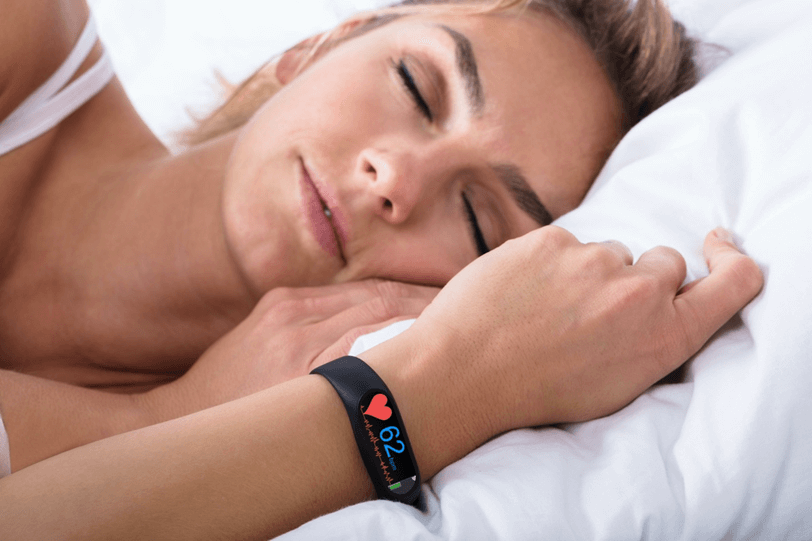
4. Track Your Sleep with a Smart Ring: If waking up at 3:00am is a regular issue, tracking your sleep with a wearable device like a smart ring can provide valuable insights into your sleep cycles and quality. A smart ring can track your heart rate, sleep stages, and even detect disruptions like sleep apnea, helping you identify the root causes of your sleep issues.

Pro Tip: A smart ring helps you monitor when you’re entering lighter sleep stages—when you’re more likely to wake up—and gives you data to adjust your habits.

5. Create a Sleep-Friendly Environment: A peaceful sleep environment can make all the difference. Ensure your room is dark, quiet, and at a comfortable temperature. If noise is a problem, consider using a white noise machine or earplugs. Aim for a room temperature between 60-68°F (15-20°C) for the best sleep quality.

Pro Tip: Use blackout curtains to block out early morning sunlight or streetlights. Adjust your bedding to ensure maximum comfort throughout the night.

Book a private consultation today and take control of your own health. Simply email us at admin@naturaltherapies.com to make an appointment or call +65 6323 6652.

We are pleased to offer consultations via Zoom for online coaching clients.

If you need help you can click HERE to review your lifestyle choices and find out what you can do to improve it. Health and Wellness Assessment

We are here for you at Sundardas Naturopathic Clinic.

Yours in Health,Prof Sundardas D Annamalay

Why You Wake Up at 3:00am?

      No Comments on Why You Wake Up at 3:00am?

Waking up in the middle of the night can be frustrating. Did you know that 35% of adults wake up at least once during the night? If you’re one of them, you’ve probably experienced waking up around 3:00am and struggling to fall back asleep. The good news? You don’t have to live with it. There are simple ways to improve your sleep and wake up feeling rested.   

https://www.sundardasnaturopathy.com/                                                                                      

When you wake up at 3 AM, it’s not just your sleep that’s disrupted—it can affect your energy, focus, and overall well-being the next day. But the causes of waking up at this hour aren’t always clear. It could be related to your sleep cycle, stress, your sleep environment, or even health conditions. Thankfully, you don’t have to accept it as part of your routine. In this guide, we’ll explore why this happens and share actionable tips to help you sleep soundly through the night. 

What Causes You to wake Up at 3:00am? 

  1. Sleep Cycle Interruptions
  2. Stress and Anxiety
  3. Sleep Apnea and Medical Conditions 
  4. Environmental Disturbances

Understanding why you wake up at 3:00am is the first step toward improving your sleep. Let’s dive into the common causes: https://www.sundardasnaturopathy.com/our-assessment-methods                                                 

  1. Sleep Cycle Interruptions: Your body follows a natural sleep cycle made up of light sleep, deep sleep, and REM sleep. At 3 AM, you’re usually entering a lighter phase of sleep, making it easier to wake up. If your sleep cycles are disturbed, it’s harder to stay in deep, restful sleep.

For example, if you’ve had a busy day and fall asleep quickly, your body may not have enough time to enter deep sleep. This could lead to waking up at 3 AM, even if you went to bed early. 

  1. Stress and Anxiety: Stress is a major factor in waking up during the night. When you’re stressed, your body releases hormones like cortisol, which can keep you alert and disrupt your sleep. If you’ve ever stayed up worrying about work, relationships, or other personal concerns, you know how it can make it hard to relax and stay asleep.

Managing stress with techniques like deep breathing or mindfulness can calm your mind and help you sleep better. You can explore more about how mindfulness can help with stress at?ADAA?(Anxiety and Depression Association of America). 

  1. Sleep Apnea and Medical Conditions: Sleep apnea, a condition where your breathing is interrupted during sleep, can lead to waking up frequently at night. People with sleep apnea may not even realize it, but they often rouse briefly to start breathing again. Other conditions, such as acid reflux or restless leg syndrome, can also cause sleep disruptions. If you think you might have sleep apnea, it’s worth speaking to a healthcare provider. Using wearable technology like a?smart ring?can help you track your sleep patterns and give you insights into how often you wake up or if sleep quality is impacted. For more information on sleep apnea, check out?here.
  1. Environmental Disturbance: Sometimes, your environment plays a key role in your sleep disruptions. Noise, light, or room temperature can wake you up in the middle of the night. Even a passing car or streetlight coming through your window can affect your sleep. Make small adjustments to your bedroom, such as using blackout curtains or adjusting the thermostat, to help create a more restful sleep environment.

Book a private consultation today and take control of your own health. Simply email us at?admin@naturaltherapies.com to make?an appointment or call +65 6323 6652 

We are pleased to offer consultations via Zoom for online coaching clients. 

If you need help you can click HERE to review your lifestyle choices and find out what you can do to improve it. Health and Wellness Assessment 

We are here for you at Sundardas Naturopathic Clinic.  

Yours in Health, 

Prof Sundardas D Annamalay 

What Is Attention Deficit Disorder (ADD/ADHD)?

Attention Deficit Disorder (ADD) – also known as attention deficit hyperactivity disorder (ADHD), is a neurodevelopmental disorder marked by pervasive problems with attention, and in many cases, impulsive and hyperactive behavior as well. These often lead to a range of behavior issues, causing significant challenges in school and at work, and interfering with social development and peer interactions. ADD/ADHD is a national health crisis that continues to grow—yet it remains one of the most misunderstood and incorrectly treated illnesses today.

Who has ADD/ADHD?

According to the academic research in Singapore, it is estimated the prevalence of attention deficit hyperactivity disorder (ADHD) among children and adolescents to range between 5 percent and 8 percent, and among adults to range between 2 percent and 7 percent. To further complicate things, it is not uncommon for a child with this condition to also have a learning disorder, thus adding to the academic challenges they face. While the symptoms of ADD/ADHD emerge in childhood, if left untreated, they can persist throughout a person’s life. This condition is often overlooked in females because their primary issue is inattention, and they are less likely to exhibit the disruptive hyperactivity that is so often seen in males with ADHD.

Statistics show that 33% of kids with ADD/ADHD never finish high school (3 times the national average in USA) so they end up in jobs that don’t pay well. Another study has found that children with untreated ADD/ADHD are nearly twice as likely to develop an alcohol use disorder or other substance abuse problem, and that they tend to start using at an earlier age compared to other kids.

Core Symptoms of ADD/ADHD

  • A short attention span for everyday tasks (e.g. chores and homework)
  • Distractibility
  • Procrastination
  • Disorganization
  • Problems with follow-through
  • Poor impulse control (e.g. speak before thinking)

Untreated ADD/ADHD is associated with higher incidences of:

  • Depression
  • School Dropout
  • Substance Abuse
  • Incarceration
  • Traffic Accidents
  • Job Failure and Unemployment
  • Financial Problems
  • Obesity
  • Divorce
  • Suicide

 It’s important to know that some of the symptoms of ADD/ADHD overlap with those of other mental health conditions, including oppositional defiant disorder, anxiety, autism spectrum disorder, and bipolar disorder, but the underlying cause and appropriate treatment for each is considerably different.

https://www.sundardasnaturopathy.com/  

What Causes ADD/ADHD?

Having a first-degree relative with ADD/ADHD significantly increases the risk for it. And while genetics, low birth weight, birth trauma, maternal smoking and alcohol or drug use, jaundice, brain infections, and head injury can play a causative role in ADD/ADHD symptoms, the increase in people being diagnosed with it is also likely related to numerous unhealthy influences in our world today that negatively affect brain function, including:

  • Limited physical education in school
  • Excessive use of video games
  • Diets filled with processed foods, artificial coloring, and synthetic preservatives
  • Exposure to environmental toxins (i.e. pesticides in food)

https://www.sundardasnaturopathy.com/our-assessment-methods

ADD/ADHD Brains Work Differently

In a healthy brain, concentration causes blood flow to increase appropriately in certain regions, especially the prefrontal cortex. This helps us to focus, plan ahead, stay organized, and follow through on tasks. However, when people with ADD/ADHD try to concentrate, blood flow decreases in the prefrontal cortex, making it more difficult for them to focus and filter out distractions. In fact, the harder they try to concentrate, the harder it can get.

We have helped those with ADHD maximise their capacity and potential for the last 30 years. https://autism-singapore.com/

Book a private consultation today and take control of your own health. Simply email us at admin@naturaltherapies.com to make an appointment or call +65 6323 6652.

We are pleased to offer consultations via Zoom for online coaching clients.

If you need help you can click HERE to review your lifestyle choices and find out what you can do to improve it. Health and Wellness Assessment

We are here for you at Sundardas Naturopathic Clinic.

Yours in Health,

Prof Sundardas D Annamalay

The 4 Stages of Sleep and their Impact on Heart Rate

A deeper understanding of sleep stages can help explain the changes in your heart rate during the night. There are four main stages of sleep, each affecting your heart differently:

Stage 1: Light Sleep

  • Overview:
    This is the transition phase between wakefulness and sleep. Your body starts to relax, and your heart rate begins to slow down.
  • Heart Rate Impact:
    Your heart rate drops gradually, setting the stage for deeper sleep.

Stage 2: Deeper Light Sleep

  • Overview:
    In this phase, your body temperature drops and your muscles begin to relax further.
  • Heart Rate Impact:
    Your heart rate becomes more stable, preparing you for deep sleep.

Stage 3: Deep Sleep (Slow-Wave Sleep)

  • Overview:
    This is the most restorative phase of sleep. Your body repairs tissues, builds bone and muscle, and strengthens the immune system. https://www.sundardasnaturopathy.com/oligoscan
  • Heart Rate Impact:
    Your heart rate is at its lowest during deep sleep, which is vital for recovery. A healthy deep sleep can be seen as a sign of a well-rested heart.

https://www.sundardasnaturopathy.com/

Stage 4: REM (Rapid Eye Movement) Sleep

  • Overview:
    REM sleep is where most dreaming occurs, and brain activity increases.
  • Heart Rate Impact:
    Your heart rate can become slightly irregular during REM sleep. These variations are normal, but consistently low heart rate variability (low HRV during sleep) might signal that your body isn’t recovering as well as it should.

Understanding these stages can help you interpret your data from a Smart Ring By knowing what happens during each stage, you can make more informed decisions about your sleep habits and health status.

https://www.sundardasnaturopathy.com/our-assessment-methods

Leveraging Smart Rings for Continuous Insight

Modern wearable technology has transformed how we monitor our health. Smart rings, offer a continuous, non-intrusive way to track your sleeping heart rate and heart rate variability. Here’s why they are game-changers:

  • Real-Time Data Collection:
    Your ring tracks your heart rate every minute while you sleep, providing a detailed picture of your nighttime heart activity.
  • Visual Insights:
    Some smart ring apps display your data in easy-to-read charts and graphs. You can view trends over days, with insights into your sleeping heart rate available in the weekly report. This can help you understand whether your heart rate is within the normal range for your age during sleep.
  • Actionable Feedback:
    The app can alert you if it detects unusual patterns. For instance, if you experience a spike in your sleeping heart rate or a drop in HRV, it might prompt you to adjust your bedtime routine or check with a doctor.
  • Integration with Lifestyle Changes:
    By monitoring how factors like sleep posture—such as sleeping with knees up or sleeping with arms above your head—affect your heart rate, you can tailor your habits to improve sleep quality.
  • Continuous Improvement:
    Tracking long-term trends enables you to measure the impact of lifestyle changes, such as reducing caffeine intake or practicing relaxation techniques. You can even correlate improvements with how often you experience disturbances like “why do I wake up at 3am.”

Using a smart ring makes it easier than ever to gain insights into your heart health and make informed decisions about your daily habits. A lady was alerted to a serious health issue from her smart ring. She went in for a check up and discovered she had cancer. She attributes the early diagnosis of cancer to the smart ring.

Book a private consultation today and take control of your own health. Simply email us at admin@naturaltherapies.com to make an appointment or call +65 6323 6652.

We are pleased to offer consultations via Zoom for online coaching clients or call +65 6323 6652.

If you need help you can click HERE to review your lifestyle choices and find out what you can do to improve it. Health and Wellness Assessment

We are here for you at Sundardas Naturopathic Clinic.

Yours in Health,

Prof Sundardas D Annamalay

Hidden Triggers that can Aggravate your Thyroid Symptoms

Hashimoto’s Thyroiditis is an autoimmune condition that affects the thyroid gland, leading to inflammation and damage to the thyroid tissue. While genetics play a significant role in the development of this condition, there is growing evidence to suggest that environmental factors can also trigger Hashimoto’s Thyroiditis and exacerbate symptoms in those already affected. In this article, we will explore some of the potential triggers of Hashimoto’s Thyroiditis, including environmental toxins, heavy metals, EMF exposure, parasites, mold, and toxic emotions, and discuss strategies to manage these triggers and improve thyroid health.

https://www.sundardasnaturopathy.com/our-assessment-methods

1. Gluten & Other Hidden Food Sensitivities

If you have Hashimoto’s, you might think diet doesn’t matter—but nothing could be further from the truth. Gluten, dairy, soy, and processed foods can fuel inflammation and increase autoimmune flare-ups, leading to more thyroid damage over time.

Even if your doctor hasn’t mentioned diet, many people see huge improvements in energy, brain function, and digestion by eliminating gluten and focusing on an anti-inflammatory diet.

2. Chronic Stress & Cortisol Imbalance

When you’re under constant stress, your body produces excess cortisol, which can:

  • Disrupt thyroid hormone production
  • Trigger autoimmune flares
  • Increase fatigue, anxiety, and weight gain

The problem? Most of us are living in chronic stress mode without realizing it. If you’re not supporting your nervous system, your thyroid function will continue to decline.

3. Gut Health & Leaky Gut Syndrome

Your gut and thyroid are deeply connected. If your gut is inflamed or compromised (which is common in people with Hashimoto’s), your body struggles to:

  • Absorb nutrients essential for thyroid function
  • Regulate immune responses
  • Prevent autoimmunity from worsening

That’s why healing the gut is a critical step in reversing Hashimoto’s.

4. Environmental Toxins & Heavy Metals

From plastics and pesticides to beauty products and tap water, toxins are everywhere—and they can interfere with thyroid hormone production. Environmental toxins such as pollutants, chemicals, and pesticides have been linked to thyroid dysfunction and autoimmune conditions, including Hashimoto’s Thyroiditis. Common thyroid-disrupting toxins include:

  • Fluoride in water (which can lower thyroid function)
  • Heavy metals like mercury and aluminium
  • Endocrine disruptors in skincare and household products

Research has shown that individuals with elevated levels of heavy metals in their bodies are more likely to develop thyroid disorders, including Hashimoto’s Thyroiditis. Detoxing these hidden environmental threats can have a huge impact on your energy, brain function, and thyroid balance

Red light therapy is a type of photo biomodulation (various forms of light therapies). Red light therapy functions as a result of our bodies reacting to certain wavelengths of light. More precisely red and near-red wavelengths between 600-1100 nanometers.

Light is a wave, but also a sum of photons – small portions of electromagnetic charge. When you place a red light therapy device on your skin, it showers your body with these photons. Red light therapy has been found to be useful in thyroid problems.

In conclusion, Hashimoto’s Thyroiditis is a complex condition that can be influenced by a variety of environmental factors and triggers, including toxins, heavy metals, EMFs, parasites, mould and emotional stress.

https://www.sundardasnaturopathy.com/

By understanding the potential triggers of this condition and implementing strategies to manage and reduce exposure to these factors, individuals can take control of their health and support their thyroid function. Lifestyle changes, dietary adjustments, supplementation, and stress management techniques can all play a role in improving thyroid health and overall well-being.

Consult with a healthcare practitioner or functional medicine specialist to develop a personalized plan to address your specific triggers and support optimal thyroid function. By taking proactive steps to address these triggers, you can empower yourself to optimize your health and live a vibrant and thriving life.

Book a private consultation today and take control of your own health. Simply email us at admin@naturaltherapies.com to make an appointment or call +65 6323 6652.

We are pleased to offer consultations via Zoom for online coaching clients or call +65 6323 6652.

If you need help you can click HERE to review your lifestyle choices and find out what you can do to improve it. Health and Wellness Assessment

We are here for you at Sundardas Naturopathic Clinic.


Yours in Health,

Prof Sundardas D Annamalay

Are Your Choices Life Affirming?

      No Comments on Are Your Choices Life Affirming?

The concept of free will is a complex and deeply philosophical one, but its implications on governance and wellbeing are undeniable. The ability to make choices, big or small, has a profound impact on our mental, emotional, and physical wellbeing. How we wield this power can shape our lives in significant ways, influencing our neuroplasticity and overall sense of fulfilment.

https://www.sundardasnaturopathy.com/neuroplasticity

Similar to other aspects of holistic well-being, a thorough understanding is valuable when exploring free will & self-governance. Often dismissed as a philosophical concept, this integrated perspective linking thought, neural function, and psychological health reveals related insights. This internal landscape, an intricate conversation within, can dismantle limiting patterns and highlight intrinsic empowerment.

It stems from interdependent roots – brain’s executive functions, chemical equilibrium, emotional state, and physical constitution – creating understanding and development. While indicating the need for adaptive behaviors, psychological support, or improved neurological health, we must recognize our actions’ effect on felt autonomy.

It’s intricate. Disconnection from optimal brain/mental wellness impacts condition, suggesting imbalances and potentially fostering impaired judgment, a weakened sense of control, and a sensation of confinement. Pinpointing contributing elements can be taxing and calls for a varied strategy.

Choosing to pursue deeper self-awareness, with a supportive guide, is unique. The explorations can constitute a voyage – from mindfulness to adjustments bolstering cerebral well-being.

Because realizing your perceived latitude and potential for selection is paramount, we present this introduction on methods to assimilate inner resources. This knowledge supports you in collaborating with mind/body to alleviate constraints, re-establish equilibrium, and unleash your capabilities!

Governance, whether it be at a societal or personal level, plays a crucial role in determining the boundaries within which our free will can operate. Laws, norms, and institutions define the parameters of our decision-making, but ultimately it is our own choices that determine our path. In a well-governed society, individuals are afforded the freedom to make choices that are not only beneficial to themselves but also to the collective good. This balance between personal autonomy and social responsibility is essential for fostering a healthy and thriving community.

When we make positive choices – ones that align with our values, goals, and aspirations – our brains undergo a process known as neuroplasticity. This refers to the brain’s ability to reorganize itself by forming new neural connections in response to learning, experience, or injury. By consistently making decisions that are in line with our best interests, we can strengthen these neural pathways and create positive habits that promote mental health and emotional well-being.

https://www.sundardasnaturopathy.com/emotional-healing

Consider the example of Sarah, a young professional who struggled with, stress anxiety and low self-esteem. Through therapy and self-reflection, she realized that many of her self-destructive behaviours were rooted in a lack of agency over her own life. With the support of our team, Sarah began to take small but meaningful steps towards asserting her free will and making choices that empowered her. She started saying no to things that drained her energy, set boundaries with toxic people, and pursued activities that brought her joy and fulfilment.

Why people experience emotional breakdowns?

Over time, Sarah noticed a significant improvement in her mental health. Her anxiety decreased, her self-esteem grew, and she felt more in control of her own destiny. This transformation was not only the result of external factors like therapy or medication but also of Sarah’s own willingness to embrace her free will and actively shape her reality.

Ultimately, the relationship between free will, governance, and wellbeing is a dynamic and interconnected one. By recognizing the power of our choices and taking ownership of our lives, we can enhance our mental and emotional well-being, foster healthier relationships, and contribute to a more just and compassionate society. As we navigate the complexities of life, let us remember that our free will is both a privilege and a responsibility – a gift that has the potential to transform not only our own lives but the world around us.

It’s not just about making choices. It’s also about follow through. It’s about knowing where to start. Working out a sequence of small steps that steadily keeps increasing your power of choice. Additional healing strategies include:

  • Make Life changing decisions: Find tangible solutions that will help you optimise your capacity for agency and choice.
  • Create A Self-Care Routine:Make a habit of exercising choices It also involves developing routines that will protect you and enhance your self-care i.e. whole food nutrition, low-impact exercise, meditation, and relaxing daily hygiene.
  • Seek Professional Support:Ask suitable healthcare professional y or a professional coach to address suitable concerns and help you increase your capacity for choice making and agency.

Book a private consultation today and take control of your own health. Simply email us at admin@naturaltherapies.com to make an appointment or call +65 6323 6652.

We are pleased to offer consultations via Zoom for online coaching clients or call +65 6323 6652.

If you need help you can click here to review your lifestyle choices and find out what you can do to improve it. Health and Wellness Assessment

We are here for you at Sundardas Naturopathic Clinic.

Yours in Health,

Are you Living in a Healthy Home?

Prof Sundardas D Annamalay

The Hidden Causes of Chronic Illness

If you’re experiencing any one of these 10 common health problems, you need to pay special attention…

  • Chronic fatigue
  • Unexplained body aches
  • Stubborn weight gain
  • Recurring anxiety
  • Persistent colds
  • Digestive issues
  • Skin problems
  • High cholesterol
  • Hormonal imbalances
  • High blood pressure

Poor health is NOT just an annoying symptom of aging… It’s a warning sign that your body is toxic. So, let’s get serious about what to do next.

https://www.sundardasnaturopathy.com/

Chronic illness is a growing concern in today’s society, with conditions such as autoimmune diseases, respiratory issues, and neurological disorders on the rise. While genetics and lifestyle factors certainly play a role in the development of chronic illnesses, there is increasing evidence to suggest that exposure to environmental toxins, heavy metals, EMFs, parasites, mould, and toxic emotions can also play a significant role in triggering and exacerbating these conditions.

https://www.sundardasnaturopathy.com/our-assessment-methods

Environmental Toxins: Environmental toxins such as pollutants, chemicals, and pesticides have been linked to thyroid dysfunction and autoimmune conditions, including Hashimoto’s Thyroiditis. These toxins can disrupt the delicate balance of hormones in the body and trigger an autoimmune response against the thyroid gland. Research has shown that exposure to chemicals like bisphenol-A (BPA), phthalates, and perfluorinated compounds (PFCs) can increase the risk of developing autoimmune thyroid disease.

To reduce exposure to environmental toxins, it is essential to be mindful of the products we use and the foods we consume. Opt for organic produce whenever possible to avoid pesticides and chemicals, and choose natural household cleaning products to limit exposure to harmful substances. Additionally, drinking filtered water and using a high-quality air purifier can help reduce toxin exposure in the home.

Heavy Metals:  Heavy metals such as mercury, lead, cadmium, and arsenic can accumulate in the body over time and disrupt thyroid function. These metals can interfere with the production of thyroid hormones and contribute to autoimmune reactions in the body. Research has shown that individuals with elevated levels of heavy metals in their bodies are more likely to develop thyroid disorders, including Hashimoto’s Thyroiditis.

To reduce heavy metal exposure, it is important to avoid sources of contamination such as contaminated seafood, old paint, and industrial pollutants. Consider getting tested for heavy metal toxicity and work with a healthcare practitioner to develop a detoxification plan if necessary. Chelation therapy, sauna therapy, and dietary supplements like cilantro and chlorella can help facilitate the removal of heavy metals from the body.

EMF Exposure: Electromagnetic fields (EMFs) emitted by electronic devices such as cell phones, Wi-Fi routers, and microwaves have been shown to affect thyroid function and trigger autoimmune responses in some individuals. EMFs can disrupt the production of thyroid hormones and increase oxidative stress in the body, leading to inflammation and immune dysfunction. Research has suggested that long-term exposure to EMFs may contribute to the development of autoimmune thyroid conditions like Hashimoto’s Thyroiditis.

To reduce EMF exposure, it is advisable to limit the use of electronic devices, especially close to bedtime. Turn off Wi-Fi routers at night, use speakerphone or headphones when talking on a cell phone, and consider investing in EMF shielding products for your home. Spending time outdoors in nature and practicing grounding techniques can help reduce the impact of EMFs on the body and promote overall well-being.

Parasites: Parasitic infections have been associated with thyroid disorders and autoimmune conditions, including Hashimoto’s Thyroiditis. Parasites can cause inflammation in the gut, disrupt the microbiome, and trigger immune responses that may lead to thyroid dysfunction. Research has shown that individuals with chronic parasitic infections may have a higher risk of developing autoimmune thyroid disease.

To address parasitic infections, it is important to support gut health and strengthen the immune system. Consider incorporating anti-parasitic herbs like oregano oil, black walnut, and wormwood into your regimen to help combat parasites and promote gastrointestinal health. Probiotics, prebiotics, and fermented foods can also help replenish beneficial bacteria in the gut and support immune function.

Mould: Mould exposure has been linked to a variety of health issues, including thyroid disorders and autoimmune conditions like Hashimoto’s Thyroiditis. Mould toxins can disrupt hormonal balance in the body, trigger inflammation, and impair immune function, leading to a heightened risk of autoimmune reactions. Research has suggested that individuals living in damp or mouldy environments may be more susceptible to developing thyroid problems.

To reduce mould exposure, it is crucial to address any sources of moisture or water damage in your home and implement proper ventilation and humidity control measures. Consider using air purifiers with HEPA filters to remove mould spores from the air and ensure adequate airflow in living spaces. If you suspect mould exposure is affecting your health, consider working with a professional mould remediation specialist to address the issue and improve indoor air quality.

Toxic Emotions: Emotional stress and negative emotions can have a profound impact on thyroid health and immune function, potentially triggering autoimmune responses in susceptible individuals. Chronic stress can disrupt the body’s stress response system, increase inflammation, and weaken the immune system, leading to an increased risk of autoimmune conditions like Hashimoto’s Thyroiditis. Research has shown that individuals with a history of trauma or chronic stress may be more likely to develop autoimmune disorders.

To address toxic emotions and reduce stress levels, it is important to prioritize self-care practices and seek support from mental health professionals if needed. Mindfulness meditation, yoga, deep breathing exercises, and journaling can help alleviate stress and promote emotional well-being. Engaging in activities you enjoy, spending time in nature, and fostering positive relationships can also help cultivate a sense of peace and resilience in the face of stressors.

In addition to physical triggers, toxic emotions can also play a significant role in the development and progression of chronic illness

Book a private consultation today and take control of your own health. Simply email us at admin@naturaltherapies.com to make an appointment or call +65 6323 6652.

We are pleased to offer consultations via Zoom for online coaching clients or call +65 6323 6652. We are pleased to offer consultations via Zoom for online coaching clients

If you need help you can click here to review your lifestyle choices and find out what you can do to improve it. Health and Wellness Assessment

We are here for you at Sundardas Naturopathic Clinic.

Yours in Health,

Prof Sundardas D Annamalay

Infrared Therapy Health Secrets

      No Comments on Infrared Therapy Health Secrets

Red light therapy is a type of photo biomodulation (various forms of light therapies). Red light therapy functions as a result of our bodies reacting to certain wavelengths of light. More precisely red and near-red wavelengths between 600-1100 nanometers.

Light is a wave, but also a sum of photons – small portions of electromagnetic charge. When you place a red light therapy device on your skin, it showers your body with these photons.

Once these photons come into contact with mitochondria, they generate more energy in the cell, which further triggers a wide variety of amazing processes from the cellular level, to every organ in the body.

https://www.sundardasnaturopathy.com/our-assessment-methods

You don’t really care about your mitochondria on a Tuesday afternoon when your tooth is aching, do you?

So, let’s talk about the proven benefits of red light therapy and how it can improve your everyday life making you feel and live better. A powerful red light therapy device can help your body work at an optimal level by doing the following:

  • reviving circulation
  • reducing inflammation
  • providing pain relief
  • repairing tissue
  • regaining performance

1100+ studies show that just a few minutes far infrared can:

  • Flush out deadly-toxins
  • Control diabetes
  • Lower your heart diseases risk
  • Lower Alzheimer’s risk
  • Slash your risk of death by 40%

https://www.sundardasnaturopathy.com/oligoscan

Red Light Therapy has been used successfully by doctors, chiropractors, massage therapists, physical therapists, and health and wellness professionals to help treat a variety of concerns for their patients, including: body fat loss, skin rejuvenation, pain management and inflammation reduction.

https://www.sundardasnaturopathy.com/

Thousands of studies on this spectrum of light have been shown to penetrate the skin to activate the production of collagen and elastin, while also stimulating the mitochondria in the cells to produce increased cellular energy (ATP). This is a completely natural process that can create remarkable changes to help the body to heal and energize, while prompting the lymphatic system to more fully detoxify the body.

Red light therapy is a non-invasive technology that enhances healthy cell life and generation. Our flexible pad-based system provides a safer, healthier and more enjoyable experience for patients, when compared to other body sculpting machines on the market today. It can be used on most parts of the body, head to the toes, though the eyes should be protected from its ultra-bright lights. Goggles are recommended.

Red light therapy encourages accelerated healing and skin rejuvenation. Studies indicate that by increasing fibroblast production in the skin, generating collagen and elastin, it produces a supportive and tightening effect that improves the look and feel of the skin.

Red light therapy also helps increase circulation between blood and tissue cells and stimulates a healing response in the skin. Studies show that red light therapy leads to improvement in wound healing, and conditions like rosacea, acne and scarring. With red light treatment, cells become stronger and healthier, are better able to respond to damage, and actively rejuvenate themselves.

https://www.sundardasnaturopathy.com/rejuvenation-1

Much of the pain and discomfort in the body is caused by inflammation. Red light therapy produces healthy anti-inflammatory effects that reduce pain and boost healthy immune responses throughout the body. Numerous studies have proven that the combination of 635nm and 880nm wavelengths improve blood and lymphatic circulation, thus reducing inflammation and cleansing the body of free radicals. Red light therapy has been effectively used to treat arthritis and other forms of joint and muscle pain.

Targeted studies for applications using red light therapy for the brain and eyes are ongoing for treatment of TBI, macular degeneration, Alzheimers, and other brain related issues.

Call us 6323 6652 or email us at  admin@naturaltherapies.com for an appointment.

Book a private consultation today and take control of your own health. Simply email us at  admin@naturaltherapies.com to make an appointment. Call us at +65 6323 6652. We are pleased to offer consultations via Zoom for online coaching clients.

If you need help you can click here to review your lifestyle choices and find out what you can do to improve it.

Health and Wellness Assessment.

Call us 6323 6652 or email us at  admin@naturaltherapies.com for an appointment.

We are here for you at Sundardas Naturopathic Clinic.

Yours in Health,

Prof Sundardas D Annamalay

Are you Depressed?

      No Comments on Are you Depressed?

Depression is a mental health condition that affects your thoughts and behaviour patterns. It is a brain-based disorder that can develop from a variety of factors including genetic predisposition, unhealthy brain function, neurochemical imbalances, and significant life events. https://blog.drsundardas.com/why-people-experience-emotional-breakdowns/

Depression symptoms extend beyond interpersonal circumstances to permeate every aspect of your life. These symptoms include persistent sadness, loss of interest in previously enjoyed activities, changes in appetite or sleep patterns, and feelings of worthlessness or guilt. It’s important to know that you are not your thoughts.

Here are five symptoms of depression to be mindful of when checking in on yourself:

  • You may feel persistent sadness if you have continuous feelings of unhappiness, hopelessness, or emptiness.
  • You may feel worthless if you struggle with intense feelings of guilt, meaninglessness, or self-blame.
  • You may feel a loss of interest with a diminished interest or pleasure in activities you once engaged in or enjoyed.
  • You may have disrupted sleep like insomnia (inability to go to sleep) or hypersomnia (inability to stay awake), excessive sleeping, and grogginess.
  • You may feel changes in appetite resulting in significant weight loss or gain with unhealthy nutritional choices for quick energy and inconsistent eating patterns.

Solutions to depressive symptoms

For depressive symptoms, it’s about treating the root cause, which requires treatment from a mental health professional. A holistic brain-body approach is a powerful way to heal from clinical depression.

  • Engage In Therapy: Psychotherapy, such as cognitive behavioural therapy (CBT), can help you address negative or intrusive thought patterns, track behaviour changes, and gain coping strategies.

https://www.sundardasnaturopathy.com/emotional-healing

  • Take Nutrition Seriously: Consult your doctor to discuss your important health numbers and identify vitamin or mineral deficiencies and hormonal imbalances that can contribute to mood disorders.     https://www.sundardasnaturopathy.com/oligoscan
  • Build Brain-Healthy Habits: Regular exercise, a balanced diet, and adequate sleep cannot be overstated when it comes to supporting mental and brain health. Optimise neuroplasticity.  https://www.sundardasnaturopathy.com/neuroplasticity
  • Be Careful with Medications: Antidepressants are often prescribed as a common depression treatment, but research shows that two-thirds of people don’t respond fully to medication alone. A 2020 study found that combining CBT with prescribed medications significantly improved effectiveness compared to using medications alone.
  • Consider Supplements: Nutraceuticals, such as saffron, can be effective mood enhancers. In fact, a double-blind, placebo-controlled clinical trial found saffron to be as effective as fluoxetine (Prozac) without the common side effects that come with antidepressants.

It’s important to acknowledge that depression takes more professional support due to a multitude of causes. These may include genetic factors, biochemical imbalances, significant life changes, emotional trauma, and prolonged stress.

Unlike burnout, depression is not limited to the external effects of how much work you take on in your professional or personal life. Additionally, burnout can lead to feelings of hopelessness about certain circumstances in your life while depression involves persistent feelings of worthlessness extending beyond the reality of your life.

Treatments for burnout and depression must be tailored to an individual’s specific condition. While there are overlapping strategies, recognizing the primary condition is crucial for effective treatment.

According to a 2021 study, people experiencing burnout are prone to symptoms of depression, but that doesn’t result in a direct clinical depression diagnosis. Knowing the difference is key to finding the right treatment and support.

Call us 6323 6652 or email us at  admin@naturaltherapies.com for an appointment.

Book a private consultation today and take control of your own health. Simply email us at  admin@naturaltherapies.com to make an appointment. Call us at +65 6323 6652. We are pleased to offer consultations via Zoom for online coaching clients.

If you need help you can click here to review your lifestyle choices and find out what you can do to improve it.

Health and Wellness Assessment.

We are here for you at Sundardas Naturopathic Clinic.

Yours in Health,Prof Sundardas D Annamalay

Toxic Food

      No Comments on Toxic Food

Think you’re eating healthy? Some foods can secretly harm your brain. Avoid these fake health foods and discover better brain-boosting swaps!

https://www.sundardasnaturopathy.com/                                                   

Need a quick healthy meal or snack? If you’re like most Americans, you’ll probably reach for something that’s prepackaged. Research suggests that about 60% of the average American’s calories are derived from eating processed foods. Many of these foods say things like, “All natural,” “Gluten-Free,” or “Fruit-Filled.” Sure, they sound healthy, but are they really?

Unfortunately, many store products that claim to be good for you are actually harming your brain, sabotaging your moods, and stealing your focus.

https://www.sundardasnaturopathy.com/our-assessment-methods                                               

Veggie Chips

Looking for a healthy crunch? Veggie chips made from spinach, tomatoes, and other garden-fresh fare seems like a perfect solution. Not so fast!

Most of these “veggie” chips are filled with potato starch, harmful oils, sodium, and sugar. Just as bad as what’s in these snacks is what isn’t—fibre. Eating a diet of low-fibre foods that are high in sugar is a recipe for diabetes, a condition that is associated with increased risk of Alzheimer’s disease, anxiety disorders, and clinical depression.

Brain healthy swap: Crunch on real veggies—chopped carrots or cucumbers, for example—and dip in hummus.

Gluten-Free Muffins

Didn’t we learn anything from the fat-free craze of the ’80s? In order to tempt shoppers to buy products that aren’t healthy, food manufacturers add flashy catch-phrases like “gluten-free” on their packaging.

This doesn’t mean these food-like substances contain anything nutritious. Gluten-free fare like muffins, cookies, or pancake mix can be bursting with sugar, bad-for-you oils, artificial dyes, and preservatives. Artificial dyes have been associated with hyperactivity in some children and adults and may worsen symptoms of attention deficit hyperactivity disorder (ADHD).

Peanut Butter

Yes, nut butters can be a great snack that provides healthy fats and protein. But some peanut butters are chock full of cheap and unhealthy oils, sugar, corn syrup solids, soy protein, and preservatives. Plus, peanuts are a common allergen that can trigger inflammation, and inflammation is associated with a host of psychiatric issues such as depression.

Research in the Journal of Food Protection shows that America’s favorite nuts (which are actually legumes rather than nuts) may contain harmful substances, such as aflatoxins. These are a form of mycotoxins, which can contribute to mental and cognitive health symptoms.

Brain healthy swap: Try organic almond, cashew, or macadamia nut butter instead of peanut butter. And make sure your nut butter has no more than 2 ingredients—nuts and salt.

https://www.sundardasnaturopathy.com/oligoscan                                                     

Instant Oatmeal

Oatmeal is well-known as a good source of fibre, and it contains important vitamins, minerals, and antioxidants. But the instant variety doesn’t have as much of these good-for-you nutrients. It also has lower amounts of iron and protein.

In addition, instant oats are often flavoured with loads of added sugars, sodium, artificial flavours, and milk powders. And the quick-cooking stuff ranks high on the glycaemic index, which means it causes blood sugar levels to spike then crash.

study in the American Journal of Clinical Nutrition shows that high-glycaemic, low-fibre foods also increase the risk of depression.

Brain healthy swap: Once a week, make a pot of steel-cut oats or slow-cooking rolled oats.

Then just grab a small bowl that you can quickly heat up when you want them. Add fresh fruit, raw nuts, and brain healthy spices like cinnamon for a well-rounded meal.

When it comes to your mental well-being, the food you put on the end of your fork or spoon has a major impact on how you feel. Eating pre-packaged or store-bought items that have a “health halo”—meaning they seem nutritious—can backfire and contribute to brain fog, low moods, high anxiety, concentration problems, and more.

Always read nutrition labels so you understand what you’re putting into your body. As much as possible, stick to whole foods to fuel your brain and improve your mental health. Eating right can be a powerful part of a mental health treatment plan to help enhance moods, calm anxiety, and think more clearly.

Are you eating right. Is your diet a source of stress and dis-ease?

Call us 6323 6652 or email us at  admin@naturaltherapies.com for an appointment. If you need help you can click HERE to review your lifestyle choices and find out what you can do to improve it.

Health and Wellness Assessment.

We are here for you at Sundardas Naturopathic Clinic.

Yours in Health,Prof Sundardas D Annamalay