You may not like the pain that you’re in, but maybe you’re afraid to work on emotional healing because you’re afraid of what you might find in the process. This is a valid concern, but here are some of the
health benefits3 that are associated with the positive emotions associated with healing.
Better cardiovascular health
Potentially longer life span
Lower cortisol (stress hormone) output
Lower heart rate
Less likely to develop upper respiratory infection when exposed to a common cold or flu
How to Find Emotional Healing
If you’re trying to heal your emotional pain, here are some ways that you can embark on your journey to emotional healing;
Therapy
Mindfulness
Move Your Body
Get Support
No matter what the trigger for your difficult emotions, emotional healing is possible in all of these scenarios. Anxiety, depression, and other mental health issues can’t wait. At Sundardas Naturopathic Clinic, we’re here for you. We offer in-clinic appointments, as well as mental telehealth, clinical evaluations, and therapy for adults, teens, children, and couples.
“Psychosomatic experiencing is about working directly with your nervous system. You are about to become intimately familiar and comfortable with your inner survival system. You will learn how to shift the different emotional states to a manageable level within a few minutes.
When our emotions are running our lives, we are not in a state of calm aliveness. Rather, there are imbalances in the nervous system that cause problems. It causes imbalances in other systems and organs in our body. Not to mention how these imbalances influence our thoughts, feelings and behaviours towards ourselves and others.”
Call us and get support now. Don’t suffer alone in silence. Email us at: admin@naturaltherapies.com or call +65 6323 6652. Leave us a phone message if the line is busy.
Red Light Therapy has been used successfully by doctors, chiropractors, massage therapists, physical therapists, and health and wellness professionals to help treat a variety of concerns for their patients, including: body MaxLipo (fat loss), skin rejuvenation, pain management and inflammation reduction.
MaxLipo Light Treatment
The closer the light is to the skin, the more effective the treatment. The MaxLipo Light pad delivery system allows direct application to the skin. We recommend that patients wear a two-piece bathing suit, speedo or boxers attire, for maximum treatment coverage. The patient lies on a treatment table and the pads are placed on the areas of treatment. Typically, that includes two large pads placed underneath the mid back and back upper legs, two large pads placed on the abdomen and the front of the upper legs.
One small pad on each of the upper arms, and the face mask is placed arching over the face and chest area. The pads can be used in a variety of configurations, specific to the areas on which the patients desire treatment. Once the system is on, the patient will see ultra bright red lights. Goggles should be worn to protect their eyes. After a few minutes, when the light stimulates the cell mitochondria and they begin to generate energy in the cells, the patient will feel a warming effect. The pads themselves do not emit heat, the warmth is primarily generated by the body. Many patients describe it as comforting and calming. A session can last up to 30 minutes, giving the patient time to relax and even nap.
The results from MaxLipo Light will vary from person to person based on nutrition, activity, healthy life style, and frequency of treatment. The recommended treatment protocol is 10 sessions-(every 2-3 days over a period of 2 -3 weeks) with periodic tune ups following.
MaxLipo Light along with a healthy life style of good nutrition and moderate exercise will result in remarkable and measurable results. That said, there is no particular diet or exercise regimen required, but drinking plenty of water and even a 15-20 minute walk or moderate exercise following a treatment will noticeably enhance the results.
The light emitted by the MaxLipo Light device is cool, and it does not generate excessive heat, so it will not burn or damage the tissue. However, the light is very bright and patients should take care to shield their eyes with goggles if using the face mask. Short glances at the light will not harm the eyes, but staring at the light should be completely avoided.
The recommended MaxLipo Light protocol involves a series of 10 treatment sessions of 30 minutes each, delivered every 2-3 days over a 3-week period. Most patients see a noticeable improvement within the first 2-3 treatments, some even after the first treatment. Depending on the patients’ goals, the full 10 session series can reliably address most of their expectations. Though continued treatments, or series can be added if needed for further benefit.
Call us and get support now. Lose that weight now. Don’t suffer alone in silence.
The gut-brain connection is the idea that the health of your gut is closely linked to the health of your brain and mental well-being. While this may seem surprising, research has shown that the two are indeed connected in ways we are only beginning to understand.
The gut is home to trillions of bacteria, collectively known as the gut microbiome. These bacteria play a vital role in digestion, nutrient absorption, and immune function. But they also communicate with the brain via the vagus nerve, a long nerve that connects the brain to the digestive system.
When the gut microbiome is out of balance, it can lead to a condition known as dysbiosis, which is associated with various health problems, including anxiety, depression, and even autism. Dysbiosis can occur due to a poor diet, stress, antibiotics, and other factors that disrupt the delicate balance of bacteria in the gut.
The gut also produces many of the same neurotransmitters that are found in the brain, such as serotonin and dopamine. In fact, over 90% of serotonin is produced in the gut. This is why the gut is often referred to as the “second brain.”
When the gut is unhealthy, it can lead to a decrease in the production of these neurotransmitters, which can have a significant impact on mental health. Low serotonin levels, for example, are linked to depression and anxiety.
Fortunately, there are several ways to improve gut health and support the gut-brain connection. Eating a balanced diet that is rich in fiber, fruits, and vegetables is crucial. Probiotics and prebiotics, which can be found in fermented foods like yogurt and sauerkraut, can also help to improve gut health.
Reducing stress and getting enough sleep are also important for maintaining a healthy gut-brain connection. Exercise can also help by reducing inflammation in the gut and improving mood.
In conclusion, the gut-brain connection is a complex and fascinating area of research that has important implications for mental health. By taking care of our gut health, we can support our mental well-being and improve our overall quality of life.
The GutBrain Healing online programme with naturopath Dr Sundardas D Annamalay is a holistic, 6 module kick starter programme for you to rebalance your gut health. Through easy to follow video content with a sound scientific basis, participants are educated on the foundational underpinnings of gut health. By doing so you’ll optimise your immune system, digestion & weight management. You will also get rid of symptoms that have been plaguing you all your life. Here’s to a healthy Gut!
Exercise is widely known for its physical benefits, but did you know that it can also have a powerful impact on your mental well-being? Studies have shown that regular exercise can improve mood, cognitive function and even protect your brain from neurological diseases.
When you exercise, your body releases chemicals called endorphins and dopamine, which are responsible for that “feel-good” feeling. These chemicals have a powerful impact on the brain, improving mood and reducing feelings of anxiety and depression. In fact, regular exercise has been shown to be as effective at reducing symptoms of depression as antidepressant medication in some cases.
Not only does exercise impact mood, but it also can have a positive effect on sleep. Studies have shown that regular physical activity improves both the quality and quantity of sleep, allowing you to wake up feeling more refreshed and energized. In addition to its mental benefits, exercise can also improve cognitive function. Aerobic exercise has been shown to improve memory and attention, as well as the ability to switch between tasks. One study even found that regular exercise can increase the size of the hippocampus, a part of the brain associated with memory and learning.
But exercise doesn’t just benefit your brain function in the short-term. Studies suggest that regular exercise can enhance the connectivity between neurons, improving brain function and even protecting against neurological diseases like Alzheimer’s and Parkinson’s.
Lastly, exercising has also been found to be a powerful tool in treating chronic pain conditions. Regular physical activity helps to increase circulation, which can reduce inflammation and pain. Developing a regular exercise routine can even help to reduce the need for pain medication in some cases, making it a valuable tool for managing chronic pain.
So how do you make exercise a part of your daily routine? Start by setting manageable goals and keep track of your progress. Find an activity that you enjoy, whether it’s taking a brisk walk or hitting the gym. Make exercise a social activity by joining a fitness class, taking a hike with friends or finding a running group. Remember, the key is consistency. Try to incorporate exercise into your routine at least three to four times a week. Over time, you’ll start to see the benefits not just physically, but mentally as well.
In conclusion, there’s no denying that exercise plays a crucial role in maintaining overall health and well-being. By incorporating regular physical activity into your daily routine, you can improve mood, cognitive function, and protect against neurological diseases. Get moving, stay consistent, and see the benefits for yourself! If you are struggling with brain fog, memory issues, focus issues, we can help.
No matter what the trigger for your difficult emotions, emotional healing is possible in all of these scenarios. Anxiety, depression, and other mental health issues can’t wait. At Sundardas Naturopathic Clinic, we’re here for you. We offer in-clinic appointments, as well as mental telehealth, clinical evaluations, and therapy for adults, teens, children, and couples.
“Psychosomatic experiencing is about working directly with your nervous system. You are about to become intimately familiar and comfortable with your inner survival system. You will learn how to shift the different emotional states to a manageable level within a few minutes.
When our emotions are running our lives, we are not in a state of calm aliveness. Rather, there are imbalances in the nervous system that cause problems. It causes imbalances in other systems and organs in our body. Not to mention how these imbalances influence our thoughts, feelings and behaviours towards ourselves and others.”
You can sign up below for a program on healing your gut.
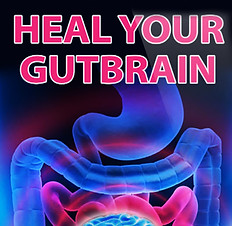
https://masteringtime.app.freshmember.com/socket/cart/add/NDE/NTEThe GutBrain Healing online programme with naturopath Dr Sundardas D Annamalay is a holistic, 6 module kick starter programme for you to rebalance your gut health. Through easy to follow video content with a sound scientific basis, participants are educated on the foundational underpinnings of gut health. By doing so you’ll optimise your immune system, digestion & weight management. You will also get rid of symptoms that have been plaguing you all your life.Here’s to a healthy Gut! Call us and get support now. Don’t suffer alone in silence. Email us at: admin@naturaltherapies.com or call +65 6323 6652. Leave us a phone message if the line is busy.
Practice self-compassion—you’re not broken. It’s pretty hard to heal if you’re beating yourself up all the time, and one study showed that those who practice self-compassion show greater increases in well-being1 than those who didn’t.
Thank yourself. Yes, that’s right—thank yourself. Despite the emotional pain you’ve experienced that’s leading you on this emotional healing journey, you have made it this far. Whatever coping mechanisms you used worked for you at the time, even if they don’t work now, or weren’t the “healthiest” in the first place.
Don’t go it alone. Science shows we heal better together. Your instinct might be to go into hiding until you are “done” healing, but the reality is that your friends and family probably want to help you! Reach out to someone who feels safe.
Don’t try to “fix” it all at once. Emotional healing is not simple, and whatever happened to you likely has deeper roots in you than you realized and may be affecting you in many ways. Back to being realistic: don’t expect to fix all the ways your issue or trauma has affected you all at once.
Sit through it. This may be one of the hardest things to do. You are likely experiencing a range of deep feelings such as sadness, grief or rage. Those aren’t fun emotions and it’s tempting to want to ignore them or rush through them. It will be uncomfortable but acknowledging tough feelings is part of healing. The good news is that feelings do pass even if it doesn’t feel like they will.
Know that progress isn’t linear. You may feel like you are making the best breakthroughs, and then you have a terrible day where you feel like all of your emotional healing has been undone—or that you did something wrong. If you broke a leg, you might have a bad day where you’re in pain again despite a sustained period of healing.
No matter what the trigger for your difficult emotions, emotional healing is possible in all of these scenarios. Anxiety, depression, and other mental health issues can’t wait. At Sundardas Naturopathic Clinic, we’re here for you. We offer in-clinic appointments, as well as mental telehealth, clinical evaluations, and therapy for adults, teens, children, and couples.
“Psychosomatic experiencing is about working directly with your nervous system. You are about to become intimately familiar and comfortable with your inner survival system. You will learn how to shift the different emotional states to a manageable level within a few minutes.
When our emotions are running our lives, we are not in a state of calm aliveness. Rather, there are imbalances in the nervous system that cause problems. It causes imbalances in other systems and organs in our body. Not to mention how these imbalances influence our thoughts, feelings and behaviours towards ourselves and others.”
Call us and get support now. Don’t suffer alone in silence. Email us at: admin@naturaltherapies.com or call +65 6323 6652. Leave us a phone message if the line is busy.
The blood type diet, also known as the Eat Right 4 Your Type diet, is a nutritional plan that suggests people should eat according to their blood type for optimal health. The diet is based on the theory that certain blood types evolved to digest and metabolize certain foods better than others. The core idea behind this is the different blood types process the lectins in food very differently.
Lectins are a diverse group of proteins that are found in many plant-based foods. They are particularly concentrated in legumes (such as beans and lentils), grains, and certain fruits and vegetables. Lectins have been studied for their potential impact on health, and there is some debate surrounding whether they are beneficial or harmful.
On one hand, lectins have been shown to have potential health benefits. They can act as prebiotics, promoting the growth of beneficial bacteria in the gut. Lectins may also have anti-cancer properties, as well as anti-inflammatory effects.
However, there are also concerns about the potential negative impact of lectins on health. One potential issue is that they can bind to the lining of the gut, leading to inflammation and damage to the intestinal wall. This can result in a condition known as leaky gut syndrome, which has been linked to a range of health issues, including autoimmune diseases, food sensitivities, and digestive problems.
Another potential concern with lectins is their ability to interfere with the absorption of certain nutrients. For example, lectins in legumes have been shown to bind to iron and zinc, making these minerals less available for absorption by the body.
Overall, the impact of lectins on health is complex and not fully understood. However, there are steps that individuals can take to minimize any potential negative impact of lectins on their health.
One approach is to avoid or limit consumption of foods that are high in lectins, such as beans, lentils, and grains. However, it’s important to note that these foods are also rich in other nutrients, such as fiber, protein, and vitamins, so it’s important to balance any concerns about lectin intake with the nutritional benefits of these foods. Another option is to soak or sprout high-lectin foods before cooking, as this can help to reduce the lectin content. Soaking and sprouting can break down the lectin proteins and make them more digestible.
Cooking is also an effective way to reduce the lectin content of foods. Lectins are generally heat-sensitive, so cooking foods at high temperatures can break down these proteins and reduce their potential negative impact on health.
The GutBrain Healing online programme with naturopath Dr Sundardas D Annamalay is a holistic, 6 module kick starter programme for you to rebalance your gut health. Through easy to follow video content with a sound scientific basis, participants are educated on the foundational underpinnings of gut health. By doing so you’ll optimise your immune system, digestion & weight management. You will also get rid of symptoms that have been plaguing you all your life. Here’s to a healthy Gut!
Meditation is a practice that has been around for thousands of years and has recently gained popularity due to its potential benefits for mental and physical health. In recent years, there has been an increasing interest in understanding the effect of meditation on the brain. Scientific research has revealed that meditation can lead to changes in brain structure and function, providing evidence for its potential benefits for brain health.
One of the most well-documented effects of meditation on the brain is an increase in grey matter volume. Gray matter is the part of the brain that contains neurons and is responsible for processing information. Studies have shown that individuals who meditate regularly have increased grey matter volume in regions of the brain associated with attention, emotional regulation, and memory.
Meditation has also been found to lead to changes in brain function. Functional magnetic resonance imaging (fMRI) studies have shown that during meditation, the brain exhibits increased activity in the prefrontal cortex, a region associated with attention and decision-making. Additionally, meditation has been found to reduce activity in the default mode network, a network of brain regions involved in mind-wandering and self-referential thought.
Research has also suggested that meditation can have a positive effect on the brain’s white matter, which is responsible for communication between different brain regions. A study published in Frontiers in Psychology found that long-term meditation practice was associated with increased white matter integrity in several brain regions, including the anterior cingulate cortex and the corpus callosum.
The potential benefits of meditation on brain health have led to its use in various clinical settings. For example, mindfulness-based interventions, which incorporate meditation practices, have been shown to be effective in reducing symptoms of anxiety and depression. Additionally, meditation has been used in the treatment of chronic pain and as an adjunct therapy for addiction recovery.
In conclusion, scientific research has provided evidence for the potential benefits of meditation for brain health. Meditation has been found to lead to changes in brain structure and function, including increased grey matter volume, changes in brain function, and improved white matter integrity. These findings suggest that meditation may be a promising tool for improving brain health and treating various mental health conditions.
If you are struggling with brain fog, memory issues, focus issues, we can help.
No matter what the trigger for your difficult emotions, emotional healing is possible in all of these scenarios. Anxiety, depression, and other mental health issues can’t wait. At Sundardas Naturopathic Clinic, we’re here for you. We offer in-clinic appointments, as well as mental telehealth, clinical evaluations, and therapy for adults, teens, children, and couples.
“Psychosomatic experiencing is about working directly with your nervous system. You are about to become intimately familiar and comfortable with your inner survival system. You will learn how to shift the different emotional states to a manageable level within a few minutes.
When our emotions are running our lives, we are not in a state of calm aliveness. Rather, there are imbalances in the nervous system that cause problems. It causes imbalances in other systems and organs in our body. Not to mention how these imbalances influence our thoughts, feelings and behaviours towards ourselves and others.”
You can sign up below for a program on Healing your Gut.
https://masteringtime.app.freshmember.com/socket/cart/add/NDE/NTEThe GutBrain Healing online programme with naturopath Dr Sundardas D Annamalay is a holistic, 6 module kick starter programme for you to rebalance your gut health. Through easy to follow video content with a sound scientific basis, participants are educated on the foundational underpinnings of gut health. By doing so you’ll optimise your immune system, digestion & weight management. You will also get rid of symptoms that have been plaguing you all your life. Here’s to a healthy Gut!
Call us and get support now. Don’t suffer alone in silence. Email us at: admin@naturaltherapies.com or call +65 6323 6652. Leave us a phone message if the line is busy.
Emotional healing is the process of acknowledging, allowing, accepting, integrating, and processing painful life experiences and strong emotions. It may involve empathy, self-regulation, self-compassion, self-acceptance, mindfulness, and integration.
Many people have a tendency to want to control the process of emotional healing by minimizing the pain and controlling their emotions, but this can actually inhibit the process of emotional healing.
Emotional healing takes the time that it takes—which may be longer or shorter than you expect or plan on—if you allow it to be fully acknowledged, felt, moved through, and processed.
Emotional healing will look different for everybody, but it may include emotional regulation skills, a feeling of lightness, and stronger relationships as you are able to be more present with yourself and your loved ones.
When Do You Need it?
Everyone will need emotional healing at some point during their lives—we all experience challenges and difficult emotions that need processing.
Some common life stressors after which people may seek emotional healing include:
Abuse (including emotional, physical, and sexual trauma)
Illness
Outside of specific events, it’s also possible to experience intensifying, lingering, and seemingly unshakeable anger, sadness, or anxiety that feels like it is taking over your life. These feelings may cause a functional impairment in your day-to-day life. Emotional healing may look different if symptoms are becoming chronic.
No matter what the trigger for your difficult emotions, emotional healing is possible in all of these scenarios. Anxiety, depression, and other mental health issues can’t wait. At Sundardas Naturopathic Clinic, we’re here for you. We offer in-clinic appointments, as well as mental telehealth, clinical evaluations, and therapy for adults, teens, children, and couples.
“Psychosomatic experiencing is about working directly with your nervous system. You are about to become intimately familiar and comfortable with your inner survival system. You will learn how to shift the different emotional states to a manageable level within a few minutes.
When our emotions are running our lives, we are not in a state of calm aliveness. Rather, there are imbalances in the nervous system that cause problems. It causes imbalances in other systems and organs in our body. Not to mention how these imbalances influence our thoughts, feelings and behaviours towards ourselves and others.”
Call us and get support now. Don’t suffer alone in silence. Email us at: admin@naturaltherapies.com or call +65 6323 6652. Leave us a phone message if the line is busy.
Red Light Therapy has been used successfully by doctors, chiropractors, massage therapists, physical therapists, and health and wellness professionals to help treat a variety of concerns for their patients, including: body MaxLipoing (fat loss), skin rejuvenation, pain management and inflammation reduction.
Thousands of studies on this spectrum of light have been shown to penetrate the skin to activate the production of collagen and elastin, while also stimulating the mitochondria in the cells to produce increased cellular energy (ATP). This is a completely natural process that can create remarkable changes to help the body to heal and energize, while prompting the lymphatic system to more fully detoxify the body.
Body MaxLipo Light Therapy
Red light therapy is a non-invasive technology that enhances healthy cell life and generation. Our flexible pad based system provides a safer, healthier and more enjoyable experience for patients, when compared to other body sculpting machines on the market today. It can be used on most parts of the body, head to the toes, though the eyes should be protected from its ultra bright lights. Goggles are recommended.
Skin Rejuvenation
Red light therapy encourages accelerated healing and skin rejuvenation. Studies indicate that by increasing fibroblast production in the skin, generating collagen and elastin, it produces a supportive and tightening effect that improves the look and feel of the skin.
Red light therapy also helps increase circulation between blood and tissue cells and stimulates a healing response in the skin. Studies show that red light therapy leads to improvement in wound healing, and conditions like rosacea, acne and scarring. With red light treatment, cells become stronger and healthier, are better able to respond to damage, and actively rejuvenate themselves.
Did you know that your blood type is a genetic marker which can determine your susceptibility to various health conditions including viral and bacterial infections, blood clotting disorders and others?
Its been long known since the early 1900s that we are different based on blood type. Famous researcher Dr Karl Landsteiner’s discovery answered the question as to why one person would live after a blood transfusion due to illness, while another died when the same blood was given. The science of blood type was born.
The blood type diet, also known as the Eat Right 4 Your Type diet, is a nutritional plan that suggests people should eat according to their blood type for optimal health. The diet is based on the theory that certain blood types evolved to digest and metabolize certain foods better than others.
According to this theory, individuals with blood type O are best suited to a high-protein, low-carbohydrate diet, while those with blood type A should consume a primarily plant-based diet. Blood type B individuals are thought to benefit from a more balanced diet that includes meat, dairy, and produce, while those with blood type AB are advised to eat a combination of the diets recommended for blood types A and B.
One aspect of the blood type diet that has gained attention in recent years is its potential impact on gut health. The gut microbiome is the collection of microorganisms that live in the digestive tract and play a critical role in digestion, immune function, and overall health.
Studies have shown that the composition of the gut microbiome can vary depending on factors such as diet, age, and genetics. Certain foods can promote the growth of beneficial gut bacteria, while others can disrupt the balance of the microbiome and lead to inflammation and other health issues.
Proponents of the blood type diet suggest that eating according to your blood type can support a healthy gut microbiome. For example, individuals with blood type A are advised to avoid meat and dairy products, which can be difficult to digest and may disrupt the balance of the microbiome. Instead, they are encouraged to consume a primarily plant-based diet, which has been shown to promote the growth of beneficial gut bacteria.
Today blood type science is a settled science, and it has confirmed that the gene responsible for this variation in our physiology is due to the gene 9Q34 (or the blood type gene). This gene is responsible for the up-regulation or down-regulation of a particular function in our bodies, for example Blood type 0 have an upregulation of stomach acid making it easy to break down animal protein, while A blood type have a down regulation of the same function making them better on a lower protein diet from less animal products.
I have put at least 10,000 individuals on their blood type diets. Occasionally we may have had to tweak they diets a little to account for their epi-genetic variations. At least 85% of this population expressed satisfaction on these diet plans. If you struggle with constipation, diarrhoea, acid reflux, heartburn, GERD, indigestion, gas, or bloating, Call us and get support now. Don’t suffer alone in silence.
The GutBrain Healing online programme with naturopath Dr Sundardas D Annamalay is a holistic, 6 module kick starter programme for you to rebalance your gut health. Through easy to follow video content with a sound scientific basis, participants are educated on the foundational underpinnings of gut health. By doing so you’ll optimise your immune system, digestion & weight management. You will also get rid of symptoms that have been plaguing you all your life. Here’s to a healthy Gut!