


Celiac Disease is a medical condition in which the lining of the small intestine is damaged by a substance called gluten. The body’s immune system reacts to the gluten and causes inflammation in the intestines. One of the symptoms of Celiac Disease is digestive problems such as abdominal bloating, diarrhea, pain, weight loss, gas and pale stools. There are other symptoms like severe skin rash called dermatitis herpetiformis, low blood count, growth problems, seizures, tingling sensation in the legs, joint and bone pain, muscle cramps, sores in the mouth and missed menstrual periods.
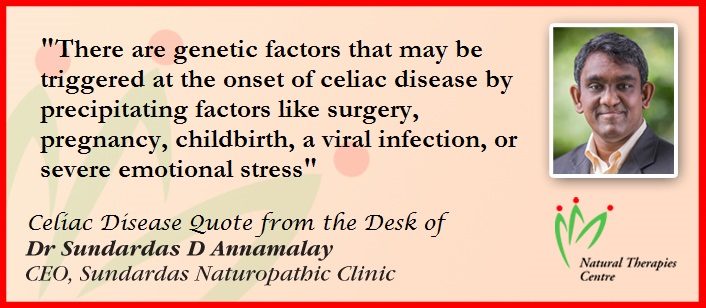
Celiac Disease can leave a person susceptible to other health problems including: Osteoporosis, miscarriage or infertility, birth defects, seizures, growth problems in children and cancer of the intestine, which is a rare case. For most people, eating something with gluten is harmless. For others, an exposure to gluten can cause, or trigger, celiac disease to become active. Sometimes surgery, pregnancy, childbirth, a viral infection, or severe emotional stress can also trigger celiac disease symptoms.
For more about different digestive issues and allergy treatment visit http://www.naturaltherapies.com/allergies-2/


Constipation is a disorder where bowel movements or passing stools becomes a lot difficult or even less frequent than necessary. Adults may go to the toilet at different times, i.e. once a day or even more. However, there might still be people that may have normal bowel movement every three or four days. Also some infants who may pass stools only a few times a week means constipation to children. Other signs could be discomfort when they have to strain while passing stool, having stools that appear dry, hard and lumpy or even abnormally large or small, stomach aches, cramps, feeling bloated and a loss of appetite. Learn to treat constipation and other digestive issues at our site.. http://www.sundardasnaturopathy.com/detox.htm

Conceptual view of digestive problems like constipation or diarrhea.
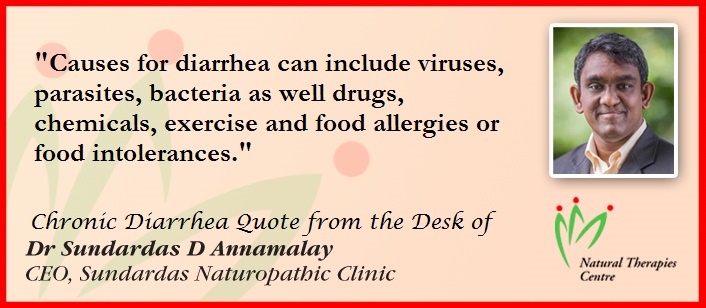
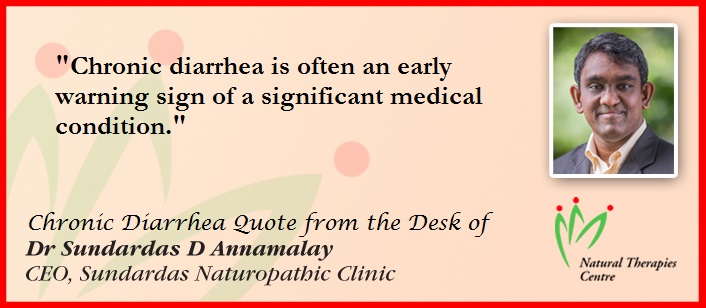
Chronic or what’s known as a “long lasting diarrhea” can last for four weeks or more. Children with chronic diarrhea may experience having their diarrhea come and go or they may have loose or watery stools. There are many diseases or disorders that may trigger chronic diarrhea in children. Some of these causes may involve infections from viruses, bacteria or parasites. They may even have food allergies and intolerances and Inflammatory Bowel Disease (IBD) may manifest. Refer to http://blog.drsundardas.com/are-allergiesfood-sensitivitities-affecting-your-child/ to know more about the best remedies to treat chronic diarrhea..
