


Lactose intolerance is very different from food allergy to milk. It occurs when our small intestine does not produce enough enzyme known as lactase that’s necessary to break lactose down. If lactose is not prevented from going down the large intestine, given it was not digested properly, it could lead to discomfort and other symptoms involving: stomach pain, diarrhoea, vomiting, rumbling sounds in the stomach and bloating.
It is important to recognize that deficiency in the lactase enzyme does not necessarily translate into lactose intolerance. Many people with mild degrees of lactase deficiency have no symptoms and are able tolerate lactose ingestion. On the other hand, people with severe lactase deficiency may have symptoms even with minimal amount of lactose ingestion.
The amount of lactose in the diet and the difference in the makeup of bacteria in the colon are other factors that determine the variability and severity of symptoms in some individuals.
Symptoms of lactose intolerance include:
- bloating
- abdominal pain
- diarrhoea
- flatulence (passing gas)
- nausea
The production of gas (flatus) is the result of the activity of bacteria in the large intestine (colon). As the large lactose molecule passes unchanged through the small intestines, it is metabolized by the bacteria that are normally present in the colon. As a result, certain gases, such as hydrogen, are produced and are released from the rectum.
Additionally, a portion of the lactose reaching the colon does not get metabolized by the bacteria. Because these larger molecules are accompanied with an increase in secretion of water through osmosis, this results in the passage of loose stools and diarrhoea.
Learn about digestive issues and treatment today at… http://blog.drsundardas.com/allergy-free-diet/


Irritable Bowel Syndrome, also known as IBS is one of the gastrointestinal disorders which affects specifically the large intestine. Irritable bowel syndrome (IBS) is a chronic disorder in which the intestines do not work normally. Other names for IBS are spastic colon or functional bowel disease. The consequences of the malfunction of the intestines is abdominal pain that is associated with constipation, diarrhea, or constipation alternating with diarrhea. The disorder affects at least 10% of the population of North America.
Here are factors triggering IBS: gastrointestinal tract motility, food intolerance, abnormal nervous system signals and increased sensitivity to pain. Symptoms mainly are: diarrhea, abdominal cramping and pain, altered bowel habits and bloating.
Get the best remedy for IBS through… http://www.naturaltherapies.com/allergies-2/

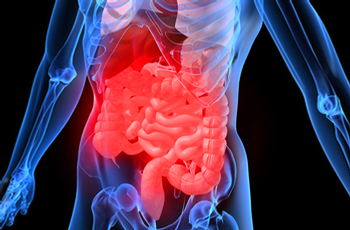
Inflammatory Bowel Disease or IBD for short is actually a disorder happening on every part of the digestive tract. Ulcerative colitis (UC), that happens in the colon only and Crohn’s Disease (CD) affects any of the gastrointestinal tract segments traced from mouth to anus. The symptoms, however, which are not specific involves: cramping, irregular bowel habits, weight loss, fever, fatigue, arthralgias, bloody stools occasionally with tenesmus (typical of UC, less common in CD) and Perianal disease like fistulas or abscesses which happens to 50% of patients with CD.

Inflammatory bowel disease (IBD) refers to two different chronic conditions or diseases that may be related, Crohn’s disease and ulcerative colitis. Both diseases consist of inflammation of the wall of the bowel or intestines – hence the name – leading to bowel that is inflamed, swollen and that develops ulcers. The inflammation and its consequences are different in Crohn’s disease and ulcerative colitis. The inflammation results in various degrees of abdominal discomfort, diarrhea, and intestinal bleeding. Both diseases can result in serious digestive problems.
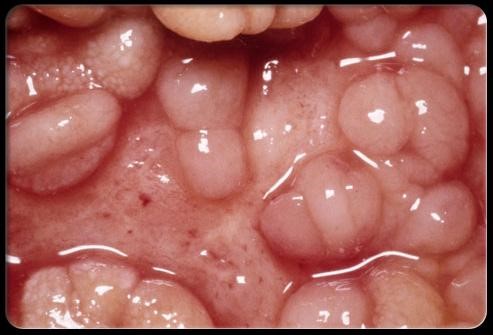
Types of IBD: Crohn’s Disease
In Crohn’s disease, inflammation involves the entire wall of the bowel, even the deeper portions. It may involve any part of the digestive tract from the mouth to the colon, rectum, and anus, although the small intestine, particularly the ileum, is the most commonly involved organ with the colon the next most commonly involved organ. One of the characteristics of Crohn’s disease is that involvement of the bowel may be discontinuous, that is, several areas may be inflamed but intervening segments may be normal.
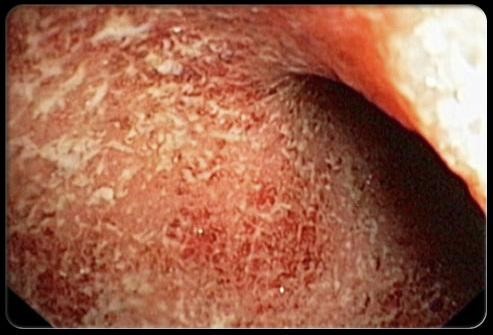
Types of IBD: Ulcerative Colitis
Unlike Crohn’s disease, in ulcerative colitis the inflammation involves only the superficial layers of the wall of the bowel, the innermost lining. Involvement is limited to the colon and rectum without skipped areas. Inflammation may be limited to the rectum (referred to as ulcerative proctitis), but usually is more extensive, extending variable distances to involve the sigmoid, descending, transverse, and ascending colon.
For treatment and remedy of IBD you may visit this link: http://blog.drsundardas.com/healing-ulcerative-colitis-naturally/

