


Before the year 2000, very few doctors ever considered the possibility that you might be vitamin D deficient.
But as the technology to measure vitamin D became inexpensive and widely available, more and more studies were done, and it became increasingly clear that vitamin D deficiency was absolutely rampant. For example, according to one of the leading vitamin D researchers, Dr. Michael Holick:
- The Centers for Disease Control and Prevention (CDC) reported that 32 percent of children and adults throughout the US were vitamin D deficient — and this is grossly underestimated as they used vitamin D levels that were not consistent with optimal health.
- The National Health and Nutrition Examination Survey found that 50 percent of children aged one to five years, and 70 percent of children between the ages of six and 11, are deficient or insufficient in vitamin D
- Researchers such as Dr. Holick estimate that 50 percent of the general population is at risk of vitamin D deficiency and insufficiency
 Info via articles.mercola.com
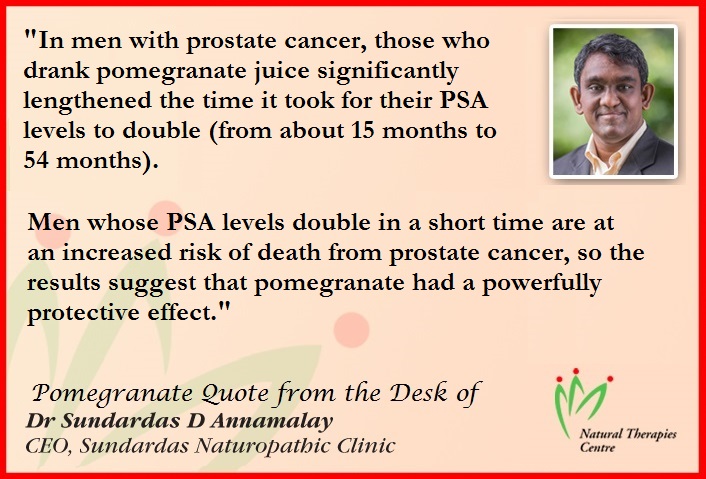

Pomegranate’s antioxidant activity is known to inhibit cell proliferation and invasion, and promote apoptosis (cell death) in various cancer cells. In one study, pomegranate extract was found to inhibit the growth of human breast cancer cells by inducing cell death. According to the University of Maryland Medical Center:
“In test tubes, pomegranate extracts made from juice, rind, and oil slow down the reproduction of cancer cells and may hasten their death. Some extracts also help reduce blood supply to tumors, starving them and making them smaller. Most studies have focused on breast and prostate cancer cells. In one other study, pomegranate juice extract given to mice slowed down the growth of lung tumors. However, most of these studies have been in test tubes or in animals, not humans.” http://sundardasnaturopathy.com/CLINICAL%20NUTRITION.htm


Would your teenaged son buy the same clothes as his grandmother? Probably not. But when they get sick, they’re likely receive just about the same treatment and drug choices. And so will everyone else. That’s because even the world’s best scientists and doctors have limited knowledge of how different people respond to different treatments. The result is a “one size fits all” approach to medicine.
That’s changing. Personalized medicine is moving us closer to more precise, predictable and powerful medicine—customized for the individual patient. Our growing understanding of genetics is allowing us to provide better diagnoses, safer prescribing, and more effective treatment of the diseases and conditions that have affected us throughout history.

