Did you know that we are exposed to an alarming number of toxins daily, more than ever before? It’s true—our modern environment is creating a toxic storm that’s wreaking havoc on our guts, and the statistics are staggering.
- Toxic Load: The average person is exposed to over 700,000 different toxic chemicals daily through air, water, food, and household products. These include pesticides, heavy metals, and other environmental pollutants that our bodies struggle to eliminate, leading to a buildup of toxins in the gut. That’s why your gut microbiome isn’t your grandma’s – it’s likely much worse!
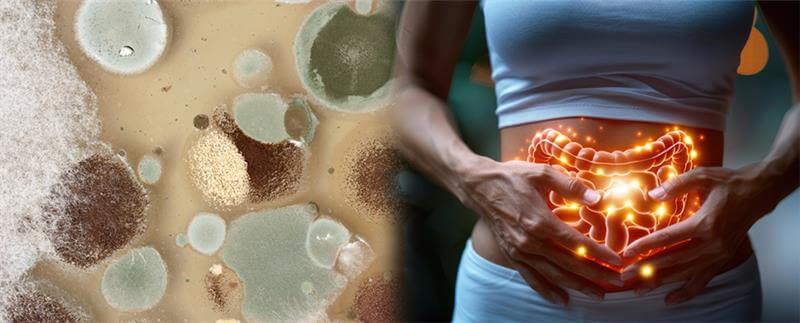
- Mold Invasion: Mold is another silent threat—at least 50% of homes and buildings in North America are estimated to have some form of mold or water damage. Chronic exposure to mycotoxins from mold can lead to severe gut inflammation, weaken the immune system, and contribute to conditions like chronic inflammatory response syndrome (CIRS). And mold can severely impact gut health.
- Leaky Gut Epidemic: The prevalence of leaky gut syndrome is on the rise, with up to 80% of adults in the U.S. believed to have some degree of intestinal permeability. This condition allows toxins and pathogens to enter the bloodstream, triggering widespread inflammation and contributing to chronic health issues.
Functional Testing for Toxic Overloads
Functional testing can provide valuable insights into an individual’s micronutrient status, helping to identify specific deficiencies and guide targeted interventions. Here are some common types of functional tests available:
- Blood Tests:Standard blood tests can measure levels of certain vitamins and minerals, such as vitamin D, B12, iron, and folate and liver function tests. These tests help determine if deficiencies exist and can guide dietary or supplementation choices.
- Comprehensive Metabolic Panel (CMP):A CMP can provide information about electrolytes, liver function, kidney function, and protein levels, which can indicate overall nutritional status and identify potential deficiencies/toxicities.
- Organic Acids Test (OAT):The OAT measures metabolic byproducts in the urine that can indicate deficiencies in B vitamins, fatty acids, and amino acids. This test can help identify imbalances that affect energy production and overall health. They can also identify organic toxins, infections and pathogens
- Stool Tests:Comprehensive stool testing can assess gut health and microbiome composition, which can impact nutrient absorption. Tests may evaluate levels of beneficial bacteria, the presence of pathogenic organisms, and digestive function.
Interventions can include the following:
1 – Supporting Mitochondrial Health
Mitochondria, the energy-producing powerhouses of cells, are highly susceptible to oxidative damage. Mitochondrial dysfunction not only leads to fatigue but also accelerates aging and increases the risk of chronic disease. Key nutrients for supporting mitochondrial health include CoQ10, L-carnitine, and alpha-lipoic acid are essential for mitochondrial efficiency and can be supplemented to support energy production and reduce oxidative stress.
Intermittent fasting or time-restricted eating can also promote autophagy, a process that helps the body clean up damaged cells, reducing oxidative damage and improving mitochondrial function.
Improving mitochondrial health is integral to slowing the aging process, boosting energy, and reducing the accumulation of oxidative stress.
2 – Detoxification and Environmental Toxin Reduction
Environmental toxins such as heavy metals, pesticides, and chemicals found in everyday products significantly contribute to oxidative stress. Several detoxification strategies to help the body reduce its toxic load and minimize oxidative damage. Switching to clean, non-toxic products is a great start. Replacing conventional personal care and cleaning products with non-toxic, organic alternatives reduces exposure to harmful chemicals. Using water filters and air purifiers may also help reduce exposure to environmental pollutants. Supporting detoxification pathways is also crucial. Certain liver-supporting nutrients like milk thistle, N-acetylcysteine (NAC), and cruciferous vegetables can enhance the body’s natural detoxification processes.
Book a private consultation today and take control of your own health. Call us at +65 6323 6652 or email us at admin@naturaltherapies.com to make an appointment. If you need help you can click HERE to review your lifestyle choices and find out what you can do to improve it. Health and Wellness Assessment. We are pleased to offer consultations via Zoom for online coaching clients.
We are here for you at Sundardas Naturopathic Clinic.
Yours in Health,

Prof. Sundardas D Annamalay