
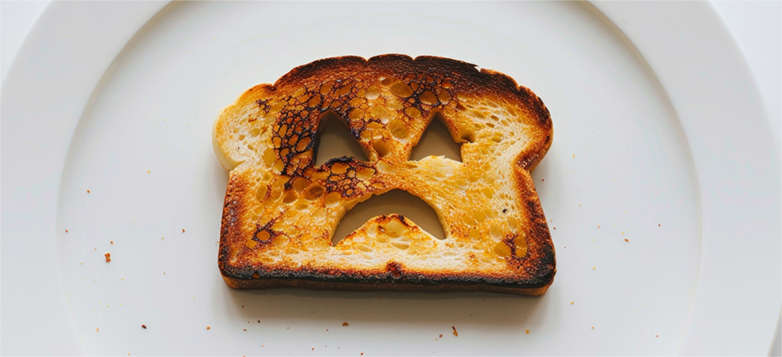
Think you’re eating healthy? Some foods can secretly harm your brain. Avoid these fake health foods and discover better brain-boosting swaps!
https://www.sundardasnaturopathy.com/
Need a quick healthy meal or snack? If you’re like most Americans, you’ll probably reach for something that’s prepackaged. Research suggests that about 60% of the average American’s calories are derived from eating processed foods. Many of these foods say things like, “All natural,” “Gluten-Free,” or “Fruit-Filled.” Sure, they sound healthy, but are they really?
Unfortunately, many store products that claim to be good for you are actually harming your brain, sabotaging your moods, and stealing your focus.
https://www.sundardasnaturopathy.com/our-assessment-methods
Veggie Chips
Looking for a healthy crunch? Veggie chips made from spinach, tomatoes, and other garden-fresh fare seems like a perfect solution. Not so fast!
Most of these “veggie” chips are filled with potato starch, harmful oils, sodium, and sugar. Just as bad as what’s in these snacks is what isn’t—fibre. Eating a diet of low-fibre foods that are high in sugar is a recipe for diabetes, a condition that is associated with increased risk of Alzheimer’s disease, anxiety disorders, and clinical depression.
Brain healthy swap: Crunch on real veggies—chopped carrots or cucumbers, for example—and dip in hummus.
Gluten-Free Muffins
Didn’t we learn anything from the fat-free craze of the ’80s? In order to tempt shoppers to buy products that aren’t healthy, food manufacturers add flashy catch-phrases like “gluten-free” on their packaging.
This doesn’t mean these food-like substances contain anything nutritious. Gluten-free fare like muffins, cookies, or pancake mix can be bursting with sugar, bad-for-you oils, artificial dyes, and preservatives. Artificial dyes have been associated with hyperactivity in some children and adults and may worsen symptoms of attention deficit hyperactivity disorder (ADHD).
Peanut Butter
Yes, nut butters can be a great snack that provides healthy fats and protein. But some peanut butters are chock full of cheap and unhealthy oils, sugar, corn syrup solids, soy protein, and preservatives. Plus, peanuts are a common allergen that can trigger inflammation, and inflammation is associated with a host of psychiatric issues such as depression.
Research in the Journal of Food Protection shows that America’s favorite nuts (which are actually legumes rather than nuts) may contain harmful substances, such as aflatoxins. These are a form of mycotoxins, which can contribute to mental and cognitive health symptoms.
Brain healthy swap: Try organic almond, cashew, or macadamia nut butter instead of peanut butter. And make sure your nut butter has no more than 2 ingredients—nuts and salt.
https://www.sundardasnaturopathy.com/oligoscan
Instant Oatmeal
Oatmeal is well-known as a good source of fibre, and it contains important vitamins, minerals, and antioxidants. But the instant variety doesn’t have as much of these good-for-you nutrients. It also has lower amounts of iron and protein.
In addition, instant oats are often flavoured with loads of added sugars, sodium, artificial flavours, and milk powders. And the quick-cooking stuff ranks high on the glycaemic index, which means it causes blood sugar levels to spike then crash.
A study in the American Journal of Clinical Nutrition shows that high-glycaemic, low-fibre foods also increase the risk of depression.
Brain healthy swap: Once a week, make a pot of steel-cut oats or slow-cooking rolled oats.
Then just grab a small bowl that you can quickly heat up when you want them. Add fresh fruit, raw nuts, and brain healthy spices like cinnamon for a well-rounded meal.
When it comes to your mental well-being, the food you put on the end of your fork or spoon has a major impact on how you feel. Eating pre-packaged or store-bought items that have a “health halo”—meaning they seem nutritious—can backfire and contribute to brain fog, low moods, high anxiety, concentration problems, and more.
Always read nutrition labels so you understand what you’re putting into your body. As much as possible, stick to whole foods to fuel your brain and improve your mental health. Eating right can be a powerful part of a mental health treatment plan to help enhance moods, calm anxiety, and think more clearly.
Are you eating right. Is your diet a source of stress and dis-ease?
Call us 6323 6652 or email us at admin@naturaltherapies.com for an appointment. If you need help you can click HERE to review your lifestyle choices and find out what you can do to improve it.
Health and Wellness Assessment.
We are here for you at Sundardas Naturopathic Clinic.
Yours in Health, Prof Sundardas D Annamalay