
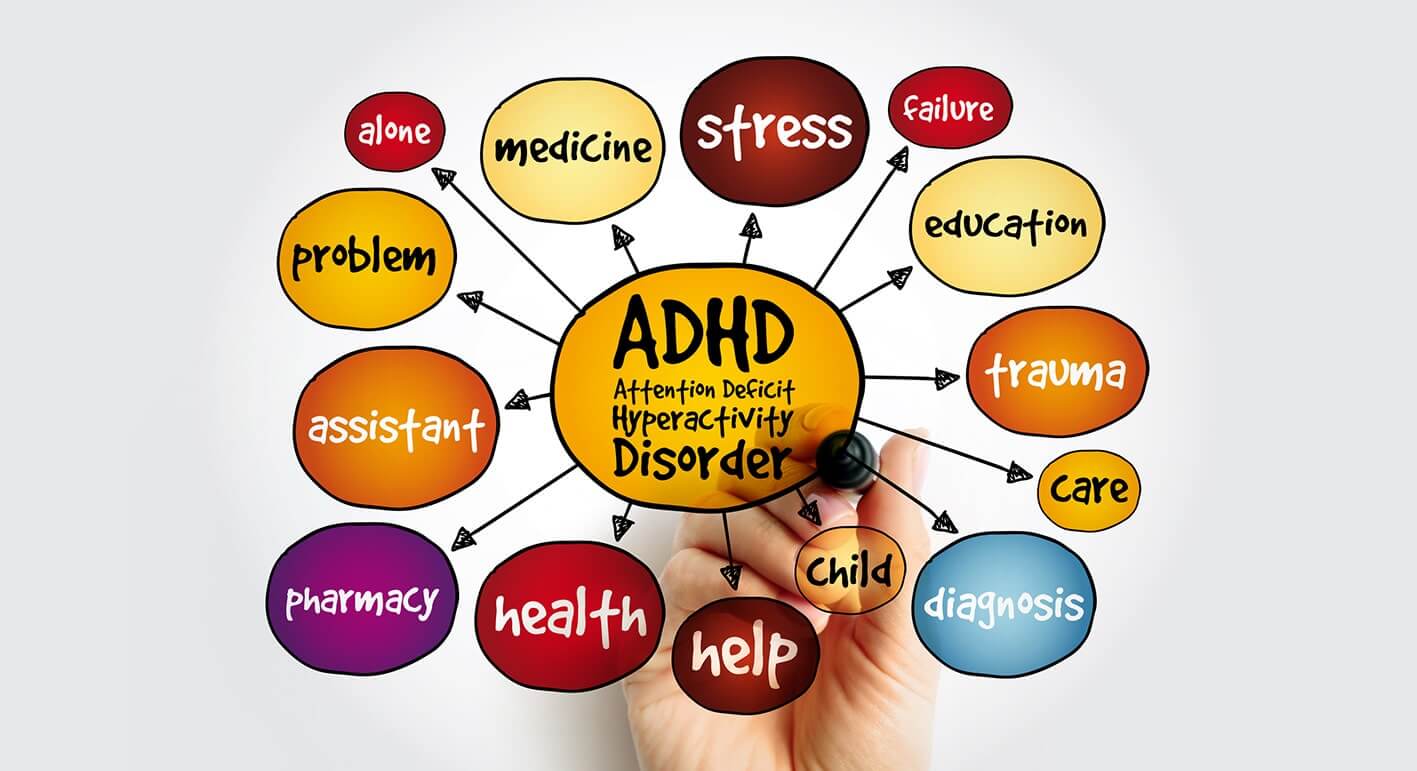
Attention Deficit Disorder (ADD) – also known as attention deficit hyperactivity disorder (ADHD), is a neurodevelopmental disorder marked by pervasive problems with attention, and in many cases, impulsive and hyperactive behavior as well. These often lead to a range of behavior issues, causing significant challenges in school and at work, and interfering with social development and peer interactions. ADD/ADHD is a national health crisis that continues to grow—yet it remains one of the most misunderstood and incorrectly treated illnesses today.
Who has ADD/ADHD?
According to the academic research in Singapore, it is estimated the prevalence of attention deficit hyperactivity disorder (ADHD) among children and adolescents to range between 5 percent and 8 percent, and among adults to range between 2 percent and 7 percent. To further complicate things, it is not uncommon for a child with this condition to also have a learning disorder, thus adding to the academic challenges they face. While the symptoms of ADD/ADHD emerge in childhood, if left untreated, they can persist throughout a person’s life. This condition is often overlooked in females because their primary issue is inattention, and they are less likely to exhibit the disruptive hyperactivity that is so often seen in males with ADHD.
Statistics show that 33% of kids with ADD/ADHD never finish high school (3 times the national average in USA) so they end up in jobs that don’t pay well. Another study has found that children with untreated ADD/ADHD are nearly twice as likely to develop an alcohol use disorder or other substance abuse problem, and that they tend to start using at an earlier age compared to other kids.
Core Symptoms of ADD/ADHD
- A short attention span for everyday tasks (e.g. chores and homework)
- Distractibility
- Procrastination
- Disorganization
- Problems with follow-through
- Poor impulse control (e.g. speak before thinking)
Untreated ADD/ADHD is associated with higher incidences of:
- Depression
- School Dropout
- Substance Abuse
- Incarceration
- Traffic Accidents
- Job Failure and Unemployment
- Financial Problems
- Obesity
- Divorce
- Suicide
It’s important to know that some of the symptoms of ADD/ADHD overlap with those of other mental health conditions, including oppositional defiant disorder, anxiety, autism spectrum disorder, and bipolar disorder, but the underlying cause and appropriate treatment for each is considerably different.
https://www.sundardasnaturopathy.com/
What Causes ADD/ADHD?
Having a first-degree relative with ADD/ADHD significantly increases the risk for it. And while genetics, low birth weight, birth trauma, maternal smoking and alcohol or drug use, jaundice, brain infections, and head injury can play a causative role in ADD/ADHD symptoms, the increase in people being diagnosed with it is also likely related to numerous unhealthy influences in our world today that negatively affect brain function, including:
- Limited physical education in school
- Excessive use of video games
- Diets filled with processed foods, artificial coloring, and synthetic preservatives
- Exposure to environmental toxins (i.e. pesticides in food)
https://www.sundardasnaturopathy.com/our-assessment-methods
ADD/ADHD Brains Work Differently
In a healthy brain, concentration causes blood flow to increase appropriately in certain regions, especially the prefrontal cortex. This helps us to focus, plan ahead, stay organized, and follow through on tasks. However, when people with ADD/ADHD try to concentrate, blood flow decreases in the prefrontal cortex, making it more difficult for them to focus and filter out distractions. In fact, the harder they try to concentrate, the harder it can get.
We have helped those with ADHD maximise their capacity and potential for the last 30 years. https://autism-singapore.com/
Book a private consultation today and take control of your own health. Simply email us at admin@naturaltherapies.com to make an appointment or call +65 6323 6652.
We are pleased to offer consultations via Zoom for online coaching clients.
If you need help you can click HERE to review your lifestyle choices and find out what you can do to improve it. Health and Wellness Assessment
We are here for you at Sundardas Naturopathic Clinic.
Yours in Health,
Prof Sundardas D Annamalay