
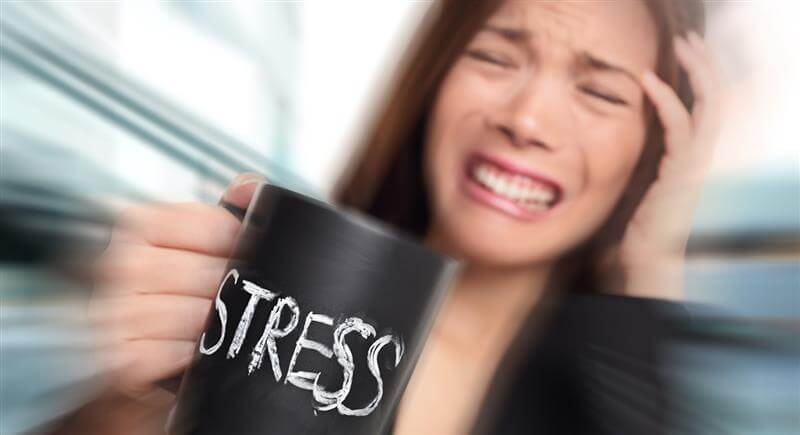
Stress levels in Singapore have increased steadily since 2021, with close to nine in 10 people (87 per cent) reporting that they felt stressed this year — seven percentage points more than the global average, a new study published has found.
Respondents were given three options on how they would rate their stress levels: “stressed but manageable” (71 per cent), “stressed but not manageable” (16 per cent) and “not stressed at all” (13 per cent).
Gen Zers, those aged between 18 and 24, made up the highest proportion of those who felt stressed (90 per cent) among respondents across all age groups.
These findings came from the Cigna Healthcare Vitality Study 2023, which surveyed 10,800 respondents in 12 markets, including 1,000 from Singapore, between May and June 2023.
What are the Symptoms of Stress?
Stress can cause a number of physical, psychological, cognitive, and behavioral symptoms. Being aware of the most common signs of stress and taking note of how many of them are affecting you can help you understand if you need to seek help. Physical symptoms include headaches or muscle tension. Psychological and cognitive symptoms inability to focus, anxious thoughts, or feeling depressed. Behavioral symptoms include social isolation or having difficulty sleeping. See below for a more complete list of the symptoms associated with stress.
What Causes Stress?
Some of the top stressful life events according to the Holmes-Rahe Stress Inventory:
- Death of a spouse
- Divorce or Separation
- Death of a close family member
- Major personal injury or illness
- Being fired from your job
- Marriage Issues
- Imprisonment
- Retirement
Stressed Brains Work Differently
When stress becomes chronic, it negatively impacts the brain, reducing brain reserve, decreasing mental focus, and interfering with activity in the hippocampus (a region involved with mood, memory, and learning).
The Stress Response in the Brain & Body
The stress response, known as the fight-or-flight response, is hard-wired into our bodies to help us survive. It is mobilized into action whenever an acute stressor appears, such as being in an earthquake, being robbed at gunpoint, or coming across a bear on a nature hike. Acute stress activates the sympathetic nervous system, which prepares you to either put up a fight or flee a dangerous situation.
The fight-or-flight response is triggered by: (1) the amygdala, an almond-shaped structure in the temporal lobes that is part of the limbic or emotional brain, which sends a signal to… (2) the hypothalamus and pituitary gland to secrete adrenocorticotropic hormone (ACTH), which signals… (3) the adrenal glands, located on the top of the kidneys, to flood the body with cortisol, adrenalin, and other chemicals to rocket you into action.
Recognize the Symptoms of Stress
Stress can cause a number of physical, psychological, cognitive, and behavioral symptoms. Being aware of the most common signs of stress and taking note of how many of them are affecting you can help you understand if you need to seek help.
Physical symptoms include: Headache, Muscle tension, Fatigue, Upset stomach, Chest pain, Changes in appetite, Diarrhea or constipation, Teeth grinding, Low sex drive, Feeling dizzy , Frequent colds and flu
Psychological and cognitive symptoms include: Nervousness, Restlessness, Inability to focus, Lack of motivation, Anger or irritability, Memory problems, Poor judgment, Negative, worried, or anxious thoughts, Feeling overwhelmed, Lack of energy, Loneliness, Feeling unhappy or depressed
Behavioral symptoms include: Social isolation, Sleep disturbances, Eating more or less than usual, Temper flare-ups, Drinking more alcohol, Using drugs, Smoking, Nervous habits (biting nails, chewing on pens).
We have a lifestyle program that involves targeted, nutrition and diet, exercise patterns, mindfulness and emotional healing approaches that has been helpful for clients over the last thirty years.
If you have stress related issues, we can help. Call us 6323 6652 or email us at admin@naturaltherapies.com for an appointment.
If you need help you can click HERE to review your lifestyle choices and find out what you can do to improve it. Health and Wellness Assessment
We are here for you at Sundardas Naturopathic Clinic.
Book a private consultation today and take control of your own health. Simply email us at??admin@naturaltherapies.com to make?an appointment. Or call +65 63236652. We are pleased to offer consultations via Zoom for online coaching clients.
Yours in Health,

Prof Sundardas D Annamalay